Household Disaster Preparedness
Understanding Emergency Risks
Know Your Risks
Before you can prepare for an emergency, you need to know what you’re preparing for. The world is full of potential hazards, but not all of them are likely to happen in your backyard. A family in Florida doesn't need to worry about blizzards, and a family in North Dakota can safely ignore hurricane warnings.
Understanding the specific risks in your area is the first and most important step in getting ready. This means looking at both large-scale disasters and smaller, more common household emergencies.
Nature's Force
Natural disasters are events caused by the Earth's natural processes. They vary greatly depending on geography. Coastal regions might face hurricanes and flooding, while areas near fault lines are prone to earthquakes. Other common natural disasters include tornadoes, wildfires, and severe winter storms.
These events can be powerful and destructive, capable of causing widespread damage to homes, infrastructure, and the environment. Because they are tied to climate and geology, they are often predictable to a certain extent, allowing communities to prepare in advance.
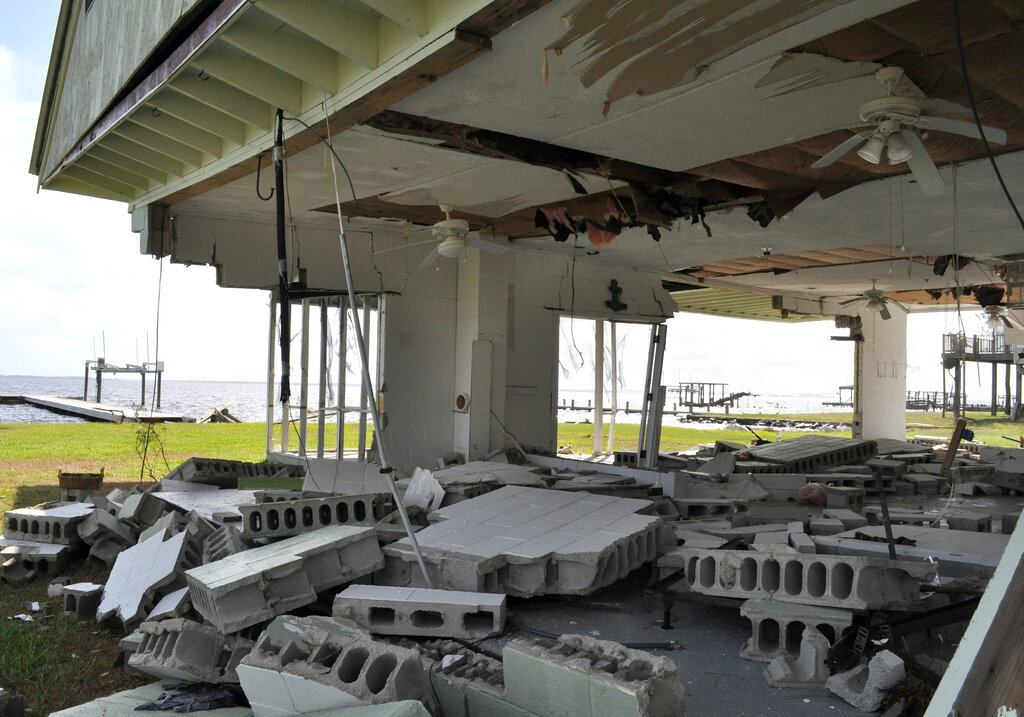
The key is to focus on the probable, not just the possible. What has happened in your area before is often the best indicator of what could happen again.
Human-Made Hazards
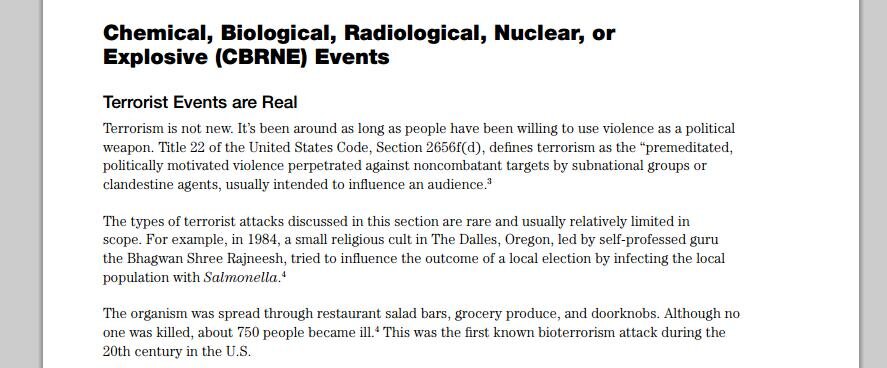
Not all emergencies are caused by nature. Human-made events can be just as disruptive. These range from widespread, long-term power outages to industrial accidents like chemical spills or transportation mishaps.
Unlike natural disasters that often come with some warning, these events can happen suddenly and without notice. They can affect air and water quality, force evacuations, or disrupt essential services that we rely on daily.
Assessing Local Dangers
So, how do you find out which risks apply to you? Your local government is the best place to start. City or county websites often have an Office of Emergency Management page that lists specific local hazards.
Pay attention to local news reports, especially weather forecasts, which can provide warnings for storms, floods, and heatwaves. Community meetings and public safety fairs are also great opportunities to learn directly from experts and get resources tailored to your neighborhood.
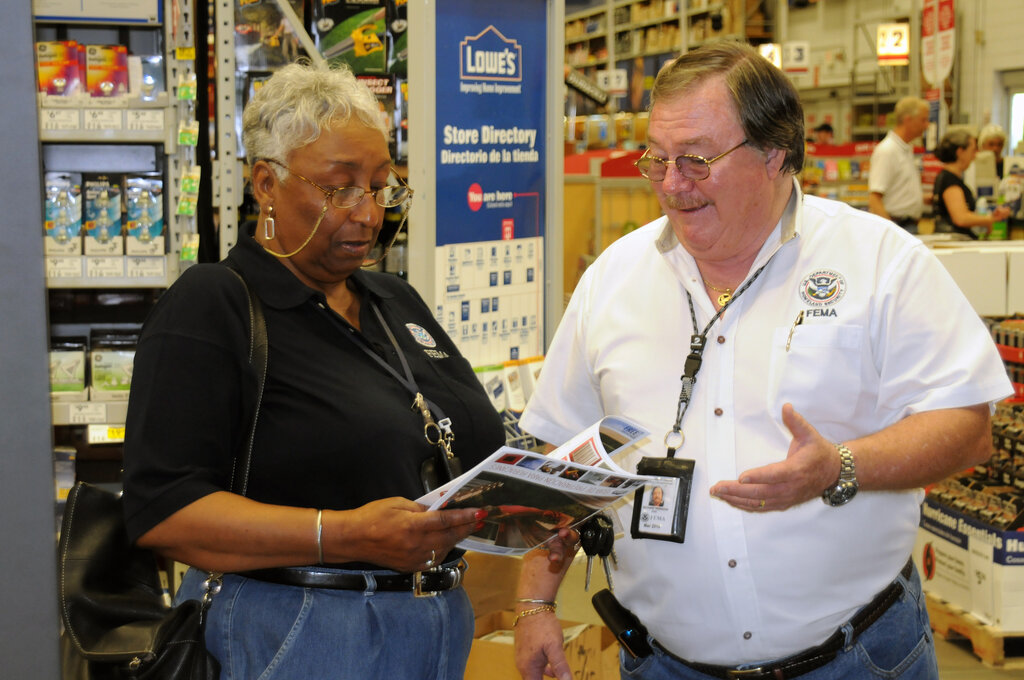
Understanding these risks helps you prepare effectively. Knowing about potential floods might lead you to buy flood insurance, while living in an earthquake-prone area means you should learn how to secure heavy furniture. Your local context shapes your preparation priorities.
Your family may not be together if a disaster strikes, so it is important to know which types of disasters could affect your area.
Now that you have a better sense of the different types of risks, let's test your knowledge.
What is the most important first step to take when preparing for an emergency?
A long-term, widespread power outage is considered a natural disaster.