Household Disaster Preparedness
Understanding Disaster Risks
Know Your Risks
The first step in preparing for a disaster is understanding what you might face. Disasters aren't one-size-fits-all. A family living on the Florida coast has different concerns than a family in Kansas. Risks generally fall into two categories: natural and human-made.
Natural disasters are caused by the Earth's own processes. They include events like hurricanes, earthquakes, floods, and tornadoes. Your geographic location is the biggest clue to your risk level for these events. Coastal areas are prone to hurricanes, while the central United States is known as "Tornado Alley." Similarly, regions near geologic fault lines, like California, have a higher risk of earthquakes.
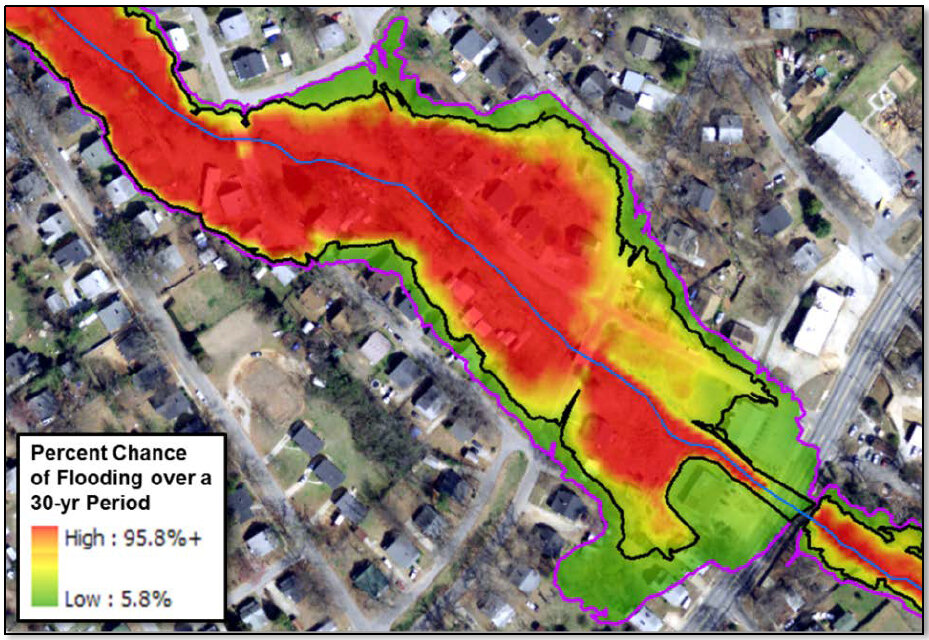
Floods are the most common natural disaster in the United States, affecting nearly every community to some degree. They can result from heavy rain, melting snow, or storm surges from hurricanes. A flash flood can develop in just a few minutes without any visible signs of rain.
Human-made disasters include events like house fires, industrial accidents, and major transportation incidents that might release hazardous materials. While a house fire can happen anywhere, your risk for a chemical spill might be higher if you live near a factory or a major railway line.
Assess Your Local Hazards
Knowing the general types of disasters is one thing; knowing your specific local risk is another. This process isn't about causing fear, but about building awareness so you can prepare effectively. The goal is to focus your energy on the most likely scenarios for your home.
So, how do you find out what could happen in your area? A great place to start is your local emergency management agency. Their websites often have detailed information about regional risks. National resources like the Federal Emergency Management Agency (FEMA) and the National Weather Service also provide valuable data and maps.
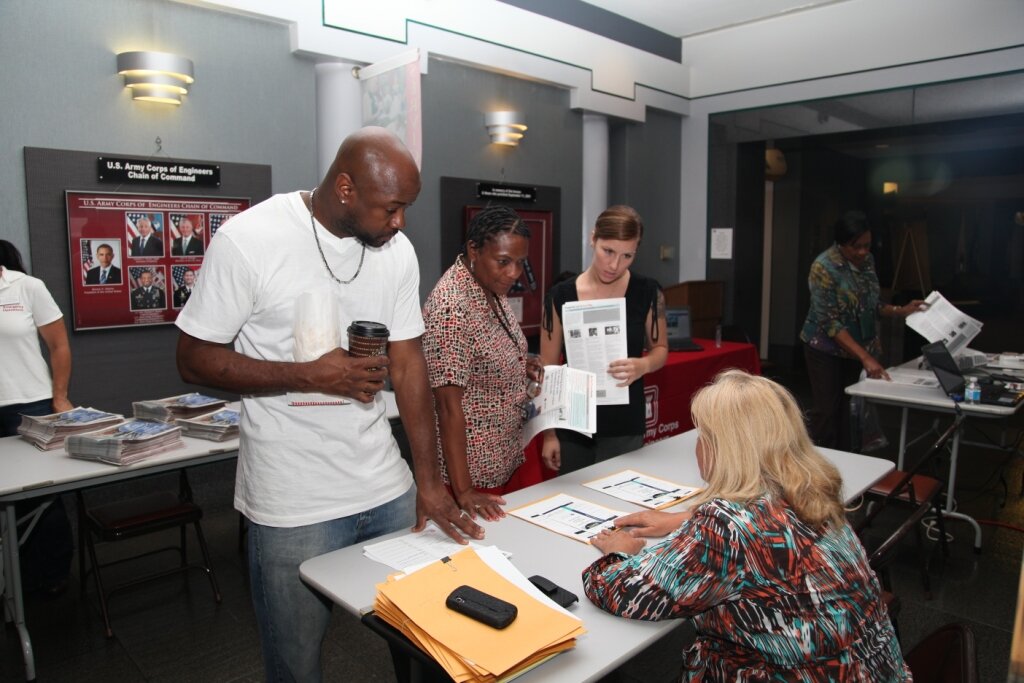
Looking at historical data can also paint a clear picture. Has your town experienced a major flood in the last 50 years? Have tornadoes been recorded in your county? News archives and local government records can reveal a history of past events, offering clues about what the future might hold. Understanding this history helps you move from worrying about abstract threats to preparing for realistic possibilities.
People are advised to check disaster preparedness websites in the areas where they live or work as information and recommendations may vary depending on factors like geography and climate.
Once you have a handle on the specific disasters that pose a risk to your household, you're in a much better position. You can start thinking about the next steps, like creating a plan and building a kit tailored to those very risks.