Household Disaster Preparedness
Understanding Local Hazards
What Are You Preparing For?
Before you can make a plan or build a kit, you need to know what you’re preparing for. The risks you face in coastal Florida are very different from those in Kansas. The first step in getting ready for an emergency is to understand the specific hazards in your own community.
Every area has its own unique risk profile, which is a mix of potential natural disasters and man-made incidents. By learning about these specific threats, you can create a preparedness plan that actually makes sense for you and your family.
Natural Hazards
Natural hazards are caused by the Earth’s processes. They include events like earthquakes, hurricanes, tornadoes, floods, wildfires, and extreme winter storms. The specific natural disasters you need to worry about depend entirely on your geography.
Someone living in Los Angeles should be aware of earthquake fault lines and wildfire seasons. A resident of New Orleans needs to understand hurricane storm surge and river flooding. If you live in the Midwest, you’re more likely to encounter tornadoes or severe blizzards.
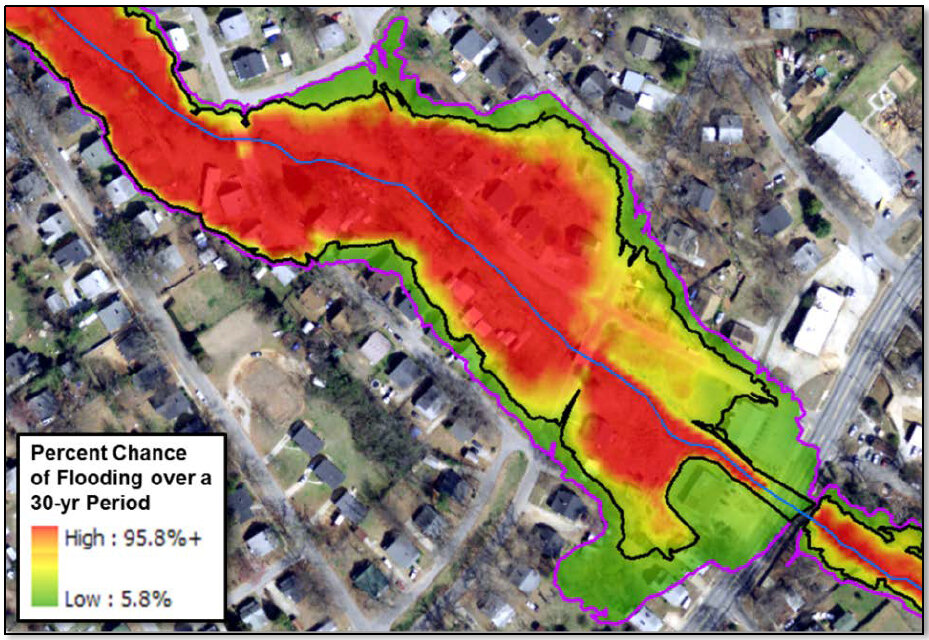
How can you find out about your local risks? A great place to start is your local emergency management agency website. These government sites often have pages dedicated to regional hazards. National resources like the Federal Emergency Management Agency (FEMA) and the National Oceanic and Atmospheric Administration (NOAA) also provide detailed maps and data on everything from floodplains to seismic activity.
Look into the history of your area. What disasters have happened in the last 50 years? Past events are often a good indicator of future risks.
Man-Made Hazards
Not all disasters come from nature. Man-made, or technological, hazards are also important to consider. These are emergencies caused by human activity or the failure of human-made systems.
Common examples include:
- Power Outages: Widespread and long-lasting blackouts can be caused by grid failures, cyberattacks, or damage from storms.
- Industrial Accidents: If you live near a factory, chemical plant, or major railway line, there's a risk of a hazardous material spill or explosion.
- Water Contamination: Failures in the public water system can lead to unsafe drinking water.
Assessing these risks involves looking at the infrastructure around you. Are you near major industrial sites? Is your power grid known to be unreliable during storms? Knowing the answers helps you prepare for more than just the weather.
What is the most crucial first step to take when starting to prepare for an emergency?
A person living in the Midwest, far from the coast, is most likely to need to prepare for which of these natural hazards?