Household Disaster Preparedness
Understanding Local Hazards
Know Your Neighborhood's Risks
Before you can make a solid emergency plan, you need to know what you’re planning for. A plan for an earthquake in California looks very different from a plan for a hurricane in Florida. Every area has its own unique set of potential disasters, both natural and man-made. The first step in preparing your household is to get familiar with the specific threats in your community.
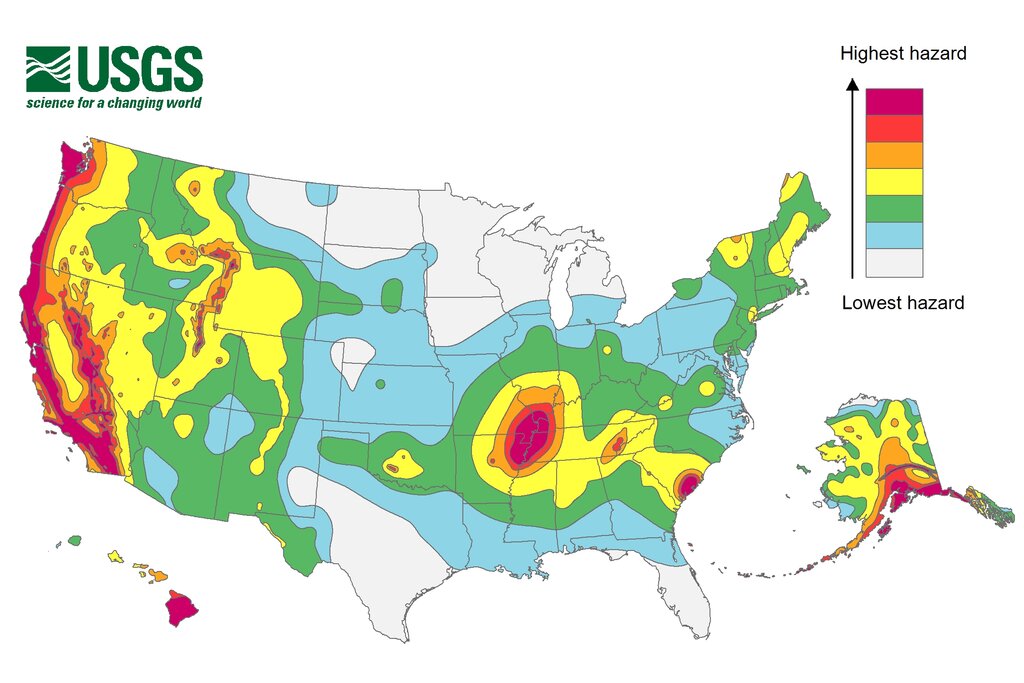
Start by identifying the most likely natural hazards. These are risks that come from the environment and weather patterns. Think about the geography and climate where you live. Are you near a coast? A river? A fault line? In a heavily forested area?
Common natural hazards include floods, hurricanes, tornadoes, earthquakes, wildfires, and severe winter storms. Your location will determine which of these are most relevant to you.
Man-made hazards are just as important to consider. These are dangers that result from human activity or technology failures. They can happen anywhere, but some locations are at higher risk. For example, living near a chemical plant, a major highway, or a large power grid substation carries specific risks.
| Hazard Type | Examples |
|---|---|
| Industrial | Chemical spills, explosions, radiation leaks |
| Infrastructure | Widespread power outages, dam failures, bridge collapses |
| Transportation | Major highway accidents, train derailments |
| Intentional Acts | Terrorism, civil unrest |
Digging into Local History
The past is often the best predictor of the future. Researching your area's history of disasters can give you a clear picture of what might happen again. A good place to start is your local or state emergency management agency website. These government sites often provide historical data and risk assessments for your specific county or city.
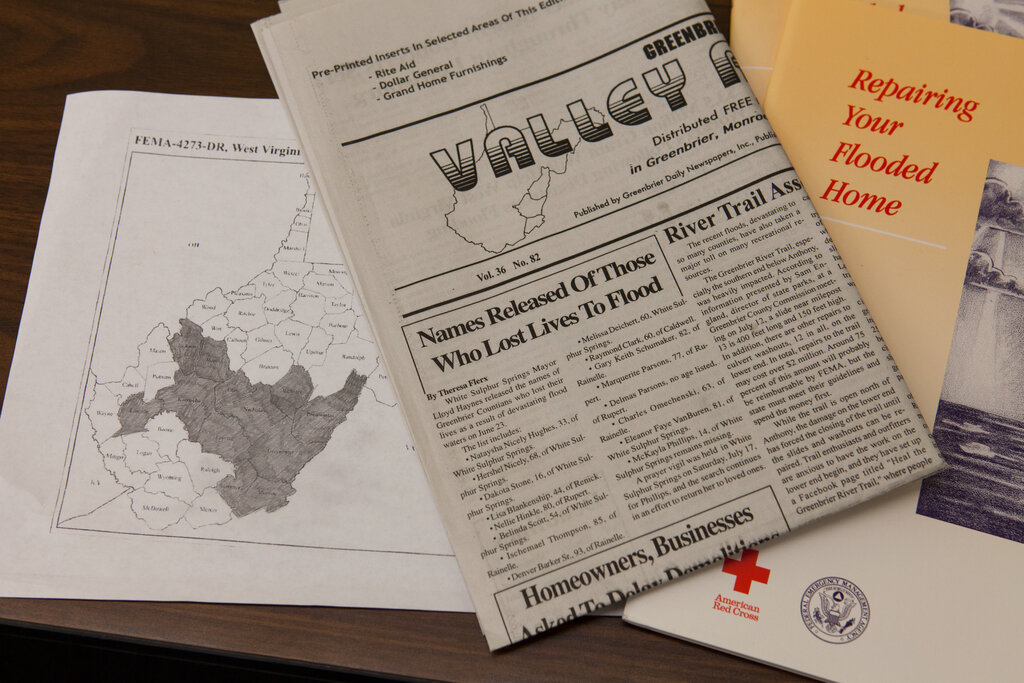
You can also check resources from the Federal Emergency Management Agency (FEMA) or the National Oceanic and Atmospheric Administration (NOAA). They have extensive databases of past weather events and disasters. Simply searching online for terms like "[Your Town] flood history" or "[Your County] disaster records" can uncover news articles, official reports, and community stories that paint a detailed picture of previous emergencies.
People are advised to check disaster preparedness websites in the areas where they live or work as information and recommendations may vary depending on factors like geography and climate.
Don't forget to talk to long-time residents in your neighborhood. They can often provide first-hand accounts of past events that you won't find in official documents. They might know which streets are the first to flood or where power lines tend to fall in a windstorm.
Assess the Impact
Once you've identified the potential hazards, the next step is to think about how likely they are and what their impact could be. This isn't about causing alarm; it's about being realistic and practical. Some risks are frequent but have a low impact, while others are rare but could be catastrophic.
Consider the potential consequences for your household. A severe winter storm might mean losing power and heat for several days and being unable to travel. A flood could require immediate evacuation and cause major property damage. Understanding these potential outcomes is the key that unlocks the rest of your preparedness efforts. It tells you what kind of supplies you'll need and what actions you'll have to take.
Ready to check your understanding? This quick quiz will help you review the key ideas about identifying local hazards.
According to the text, what is the crucial first step in creating a household emergency plan?
A chemical spill from a nearby factory is an example of what type of hazard?
By taking the time to understand the specific risks in your area, you've built the foundation for an effective and realistic emergency plan. You're no longer just preparing for a generic disaster; you're preparing for the actual events that are most likely to affect you and your family.