Household Disaster Preparedness
Understanding Disasters
What Is a Disaster?
A disaster is a sudden, calamitous event that seriously disrupts the functioning of a community or society and causes human, material, and economic or environmental losses that exceed the community's or society's ability to cope using its own resources. Though often dramatic, a disaster isn't just about the initial event. It's about the overwhelming aftermath.
Disasters fall into two broad categories: natural and human-made. Understanding the difference is the first step in preparing for them.
Hazard
noun
A process, phenomenon or human activity that may cause loss of life, injury or other health impacts, property damage, social and economic disruption or environmental degradation.
Nature's Power
Natural disasters are caused by the Earth's own processes. These are the events we hear about most often: hurricanes, earthquakes, floods, tornadoes, and wildfires. They are powerful, often unpredictable, and can reshape landscapes in minutes.
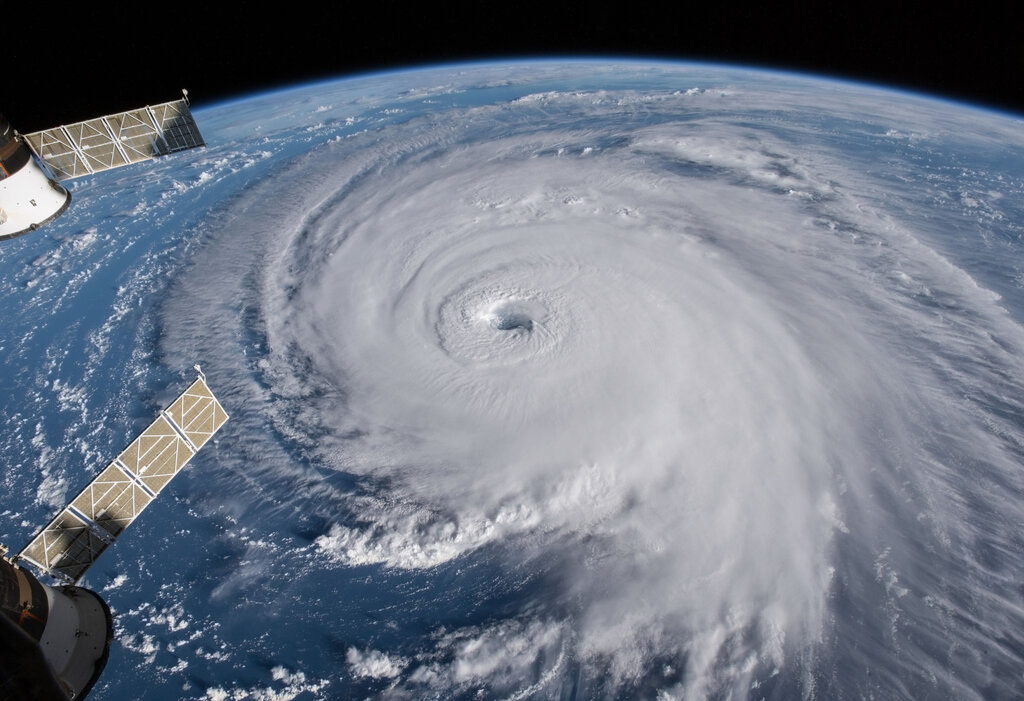
Hurricanes, like the one pictured above, are massive storm systems that form over warm ocean waters and move toward land. The dangers aren't just from high winds, but also from torrential rains and storm surge, which is a rise in sea level that can cause extreme flooding in coastal areas.
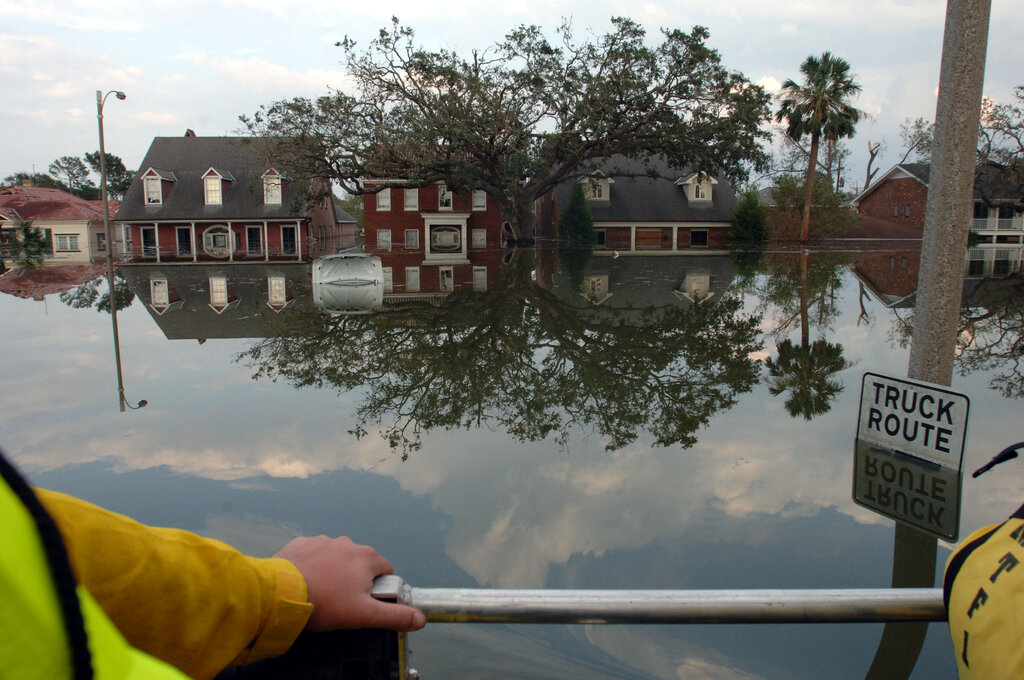
Floods are one of the most common and widespread of all weather-related natural disasters. They can result from heavy rainfall, rapid snowmelt, or a storm surge from a tropical cyclone. Flooding can damage homes, disrupt transportation, and contaminate drinking water.
Human-Made Crises
Not all disasters come from nature. Human-made disasters are the result of human intent, negligence, or error involving a failure of a system. These include events like chemical spills, major transportation accidents, and widespread power outages.
A chemical spill, for instance, can contaminate the air, water, and soil, forcing evacuations and posing long-term health risks. A prolonged power outage can cripple a city, affecting everything from communication systems and water supplies to hospitals and traffic control.
Unlike a storm that passes, a human-made disaster can have invisible, lingering effects that last for years.
Know Your Local Risks
The most important part of preparedness is understanding the specific hazards you face. The risks in coastal Florida are very different from those in Kansas or Southern California. One area might be prone to hurricanes, while another faces threats from tornadoes, earthquakes, or wildfires.
Identifying your local hazards is a critical first step. You can find this information from your local emergency management agency, which often provides maps and guides about regional risks. The Federal Emergency Management Agency (FEMA) also offers resources to help you learn about potential disasters in your area.
People are advised to check disaster preparedness websites in the areas where they live or work as information and recommendations may vary depending on factors like geography and climate.
Understanding what could happen is not about creating fear. It's about empowerment. When you know the risks, you can take sensible steps to mitigate them and plan for your safety. This foundational knowledge is what your entire household preparedness plan will be built upon.
For example, knowing you live in a flood zone means recognizing the importance of flood insurance and having an evacuation route to higher ground. If you live in an earthquake-prone area, securing heavy furniture is a simple but effective safety measure.
What is the defining characteristic of a disaster that distinguishes it from a smaller-scale emergency?
According to the text, what is the most critical first step in preparing for a disaster?
Recognizing the types of disasters and the specific risks in your area is the first, most crucial step in being prepared. With this knowledge, you're ready to build a plan.