Household Disaster Preparedness
Understanding Disaster Risks
Know Your Enemy
The first step in preparing for a disaster is knowing what you might face. Disasters aren't one-size-fits-all. They fall into two broad categories: natural and human-made. Understanding the difference helps you focus your preparation on what matters most for your home and family.
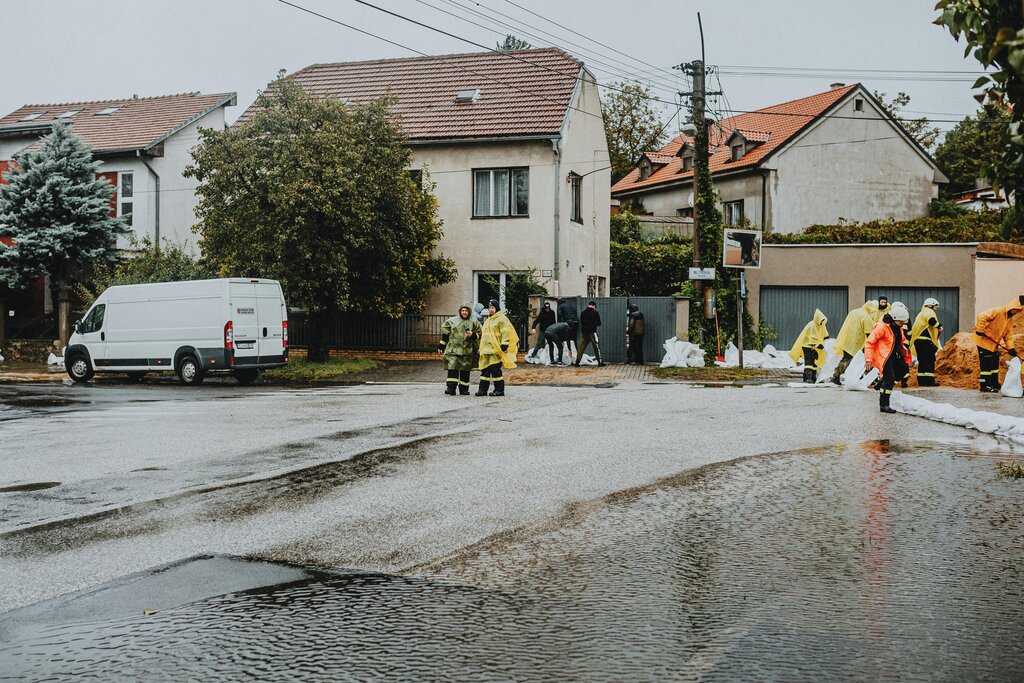
Natural disasters are caused by the Earth's own processes. Think of events like hurricanes, tornadoes, earthquakes, floods, and wildfires. Their power is immense, and they often affect entire regions. A hurricane brings high winds and flooding, while an earthquake poses a risk of structural collapse. Each requires a different response.
Human-made disasters are the result of human error or intent. These can be just as devastating but are often more localized. Common examples include house fires, major power outages, industrial accidents like chemical spills, or transportation incidents. While a wildfire might threaten a whole town, a house fire is a risk for a single family—but no less dangerous.
Assess Your Local Risk
You don’t need to prepare for every disaster imaginable. The key is to focus on the ones most likely to happen where you live. Someone in California is more likely to face an earthquake or wildfire than a hurricane. A family in Florida should prioritize hurricane preparedness. Geography is your biggest clue.
To find out your specific risks, check the website of your local or state emergency management agency. They provide detailed information on regional hazards.
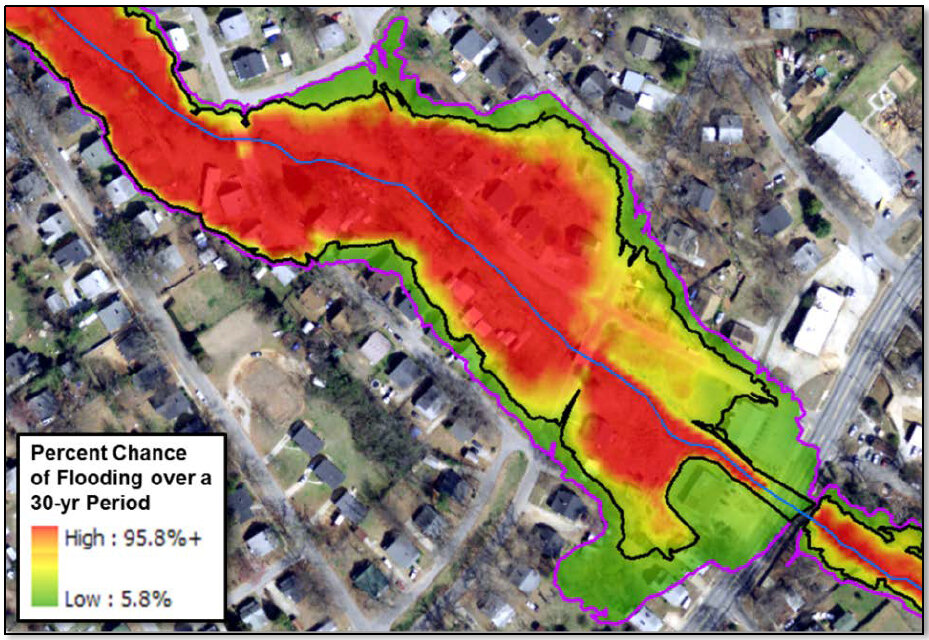
Think about your immediate surroundings too. Do you live near a large industrial facility? That might increase your risk of a chemical spill. Is your home in a heavily wooded area? Wildfire risk is higher. Knowing these specifics allows you to create a plan that’s tailored to your actual situation, not just a generic checklist.
Learning from the Past
History is a great teacher. Looking at past disasters in your area can provide a realistic picture of what could happen. News archives, local libraries, and historical societies are valuable resources. They can tell you how frequent certain events are and show you the real-world impact on your community.
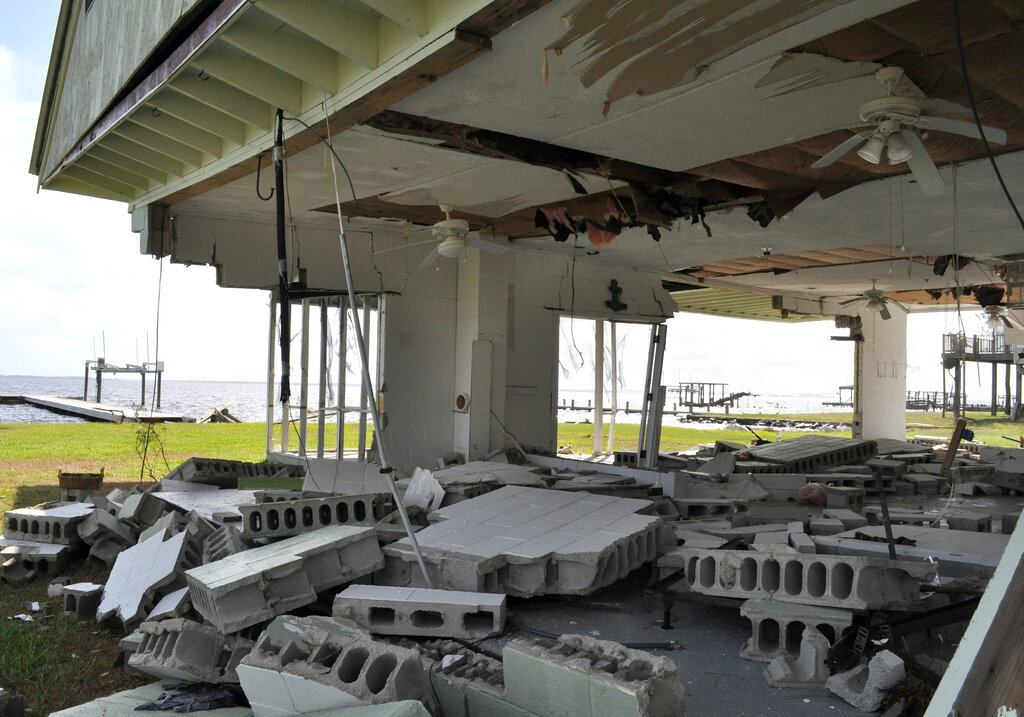
For example, residents of coastal North Carolina can look at the damage from Hurricane Irene in 2011 to understand the severe impact of storm surge on homes. This knowledge transforms the abstract idea of a "hurricane" into a concrete set of problems to prepare for, like flooding and property destruction.
By understanding what has happened before, you can better anticipate what might happen again. This isn't about fear, it's about being informed. An informed plan is an effective plan.
Ready to check your understanding? This quick quiz will help you review the main types of disaster risks.
Which of the following is considered a human-made disaster?
A family living in a coastal Florida city should prioritize their disaster preparedness efforts for which of the following?
Knowing the specific disasters you're most likely to face is the foundation of a solid preparedness plan. With this knowledge, you can begin taking targeted steps to keep your household safe.