Household Disaster Preparedness
Understanding Disaster Risks
Disasters Aren't One-Size-Fits-All
Every place has its own personality. The weather, the landscape, and the local industries all shape the risks you face every day. A blizzard in Miami is as unlikely as a hurricane in Montana. Understanding the specific threats in your area is the first and most important step in keeping your household safe.
Disasters fall into two broad categories: those caused by nature and those caused by human activity. Both can have a powerful impact on a community, disrupting daily life, damaging property, and threatening lives.
When Nature Strikes
Natural disasters are powerful events that are beyond human control. Their impact often depends heavily on geography.
- Hurricanes: These massive, spinning storms form over warm ocean waters and can bring intense winds, heavy rain, and devastating storm surges to coastal areas.
- Earthquakes: Caused by the shifting of tectonic plates beneath the Earth's surface, earthquakes can cause violent shaking that damages buildings, bridges, and roads. They are most common along fault lines.
- Floods: An overflow of water that submerges normally dry land. Floods can result from heavy rain, overflowing rivers, or storm surges. They are the most common natural disaster in the United States, affecting nearly every community.
- Tornadoes: These are violently rotating columns of air that extend from a thunderstorm to the ground. They are most frequent in the flat plains of the central United States but can occur anywhere.
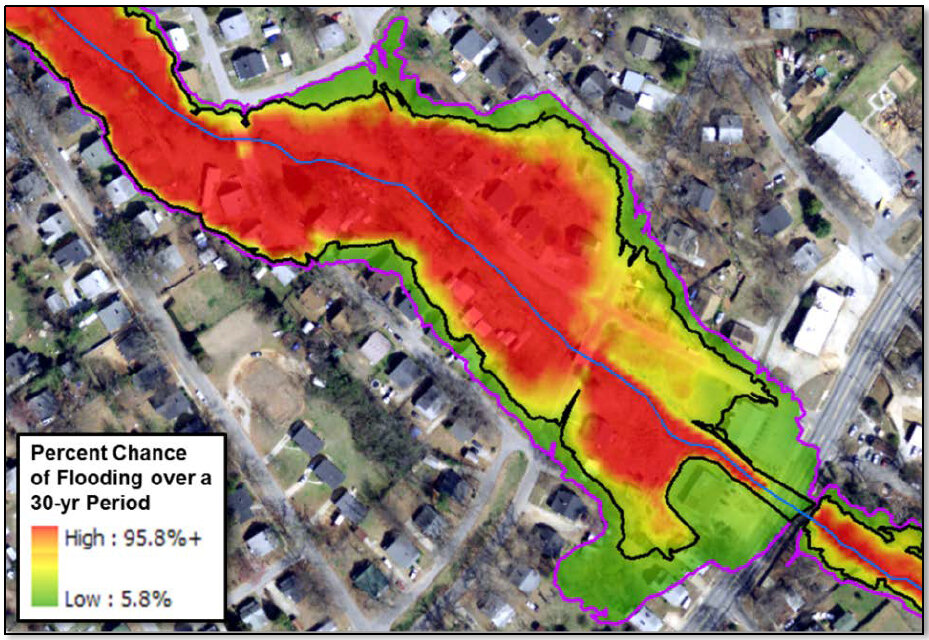
The potential for these events defines the character of a region's emergency preparedness. A family in California might practice "drop, cover, and hold on" for earthquakes, while a family in Florida stocks up on supplies before hurricane season.
Human-Made Hazards
Not all disasters come from the sky or the ground beneath our feet. Some are the result of human technology and activity. Unlike natural disasters, which are often tied to specific regions, many human-made hazards can happen anywhere.
Common examples include:
- Household Fires: These are among the most frequent disasters a family can face. They can start from cooking accidents, electrical problems, or heating equipment.
- Chemical Spills: The accidental release of hazardous chemicals can happen during transportation on highways or railways, or from an industrial facility. These spills can contaminate the air, water, and soil, forcing evacuations.
The key is to think about your surroundings. Do you live near a major highway, railroad, or industrial park? Answering these questions helps you build a more complete picture of your potential risks.
Identifying Your Local Risks
So, how do you find out which disasters are most likely to affect you? You don't have to be a professional risk analyst. Much of this information is publicly available and easy to find.
Your ZIP code is a key to your preparedness plan. Start by searching for your town, county, or state plus the words "emergency management agency."
These local agencies are your best resource. Their websites often have sections dedicated to local hazards, complete with maps and historical data. They identify the most significant threats to your community, from seasonal flooding to nearby industrial risks. National resources like FEMA also provide hazard maps that let you explore risks across the country.
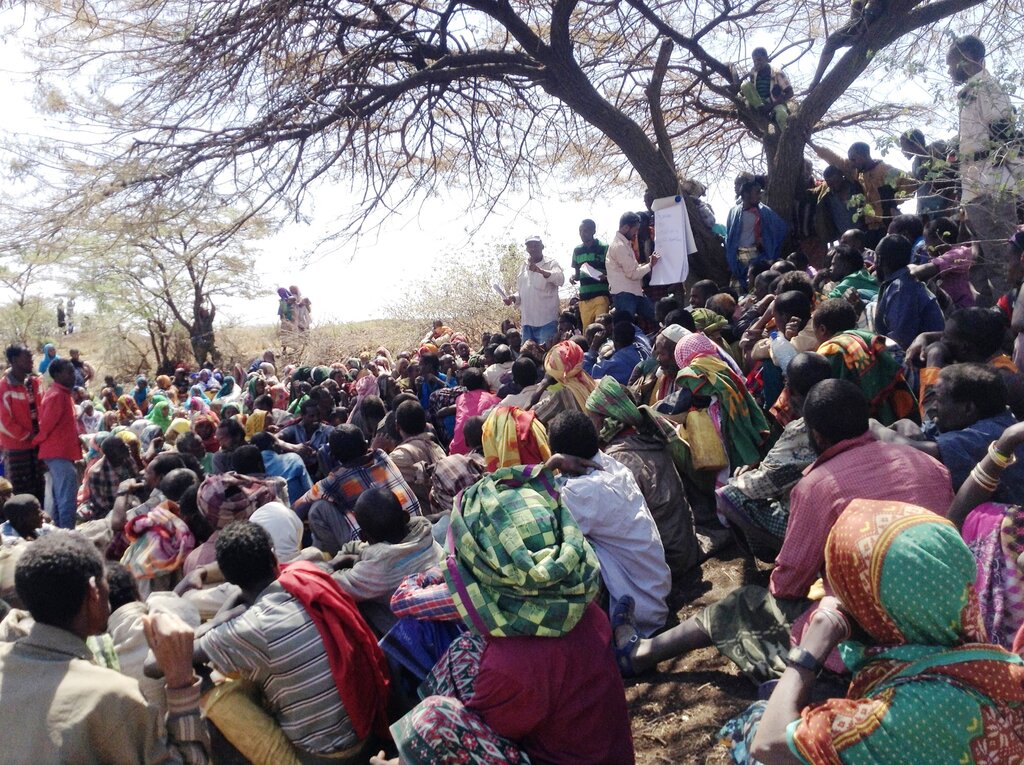
By understanding the specific natural and human-made disasters that could impact your home, you've taken the essential first step. This knowledge is the foundation upon which all other preparations are built.