Household Cleaning Mastery
Cleaning Fundamentals
What It Means to Be Clean
Keeping your space tidy is about more than just appearances. It’s a fundamental practice for health and well-being. The first step is simply cleaning, which involves removing visible dirt, dust, and grime from surfaces.
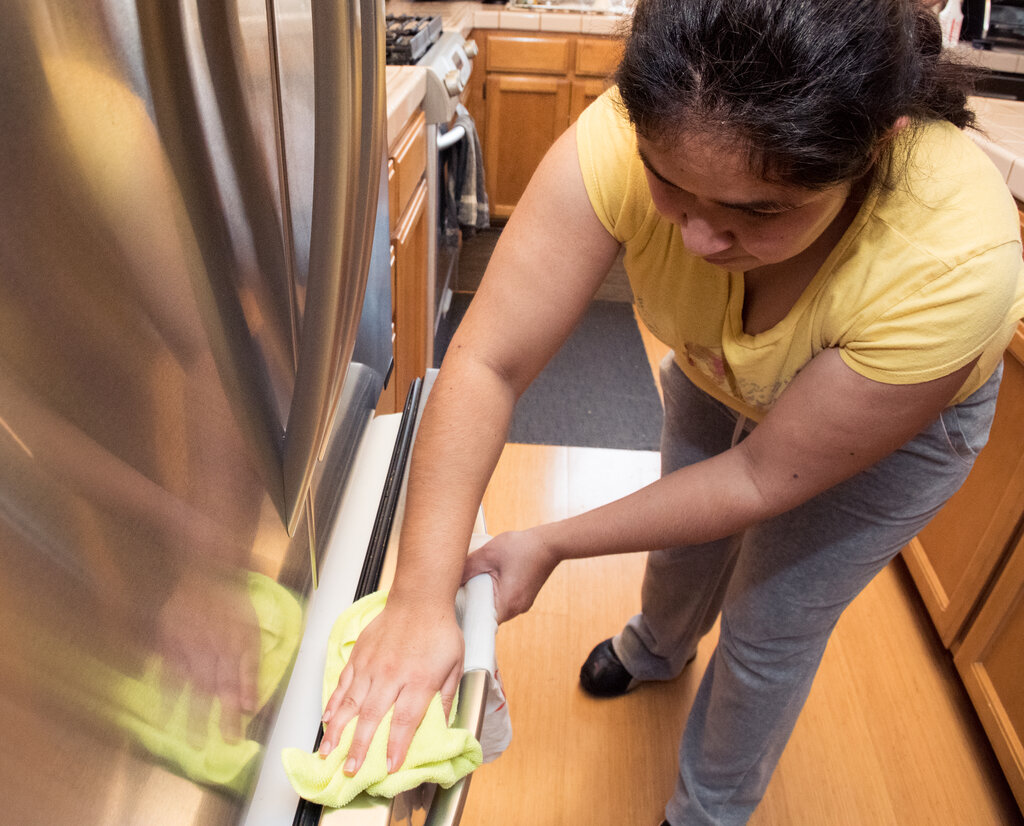
When you wipe down a countertop or scrub a floor, you're physically lifting away debris. This process uses soap or detergent and water to break down and wash away dirt. While cleaning makes things look and feel fresh, it doesn't necessarily kill germs like bacteria and viruses. However, by removing the dirt they live on, you are getting rid of many of them.
Cleaning
noun
The process of removing unwanted substances, such as dirt, infectious agents, and other impurities, from an object or environment.
Beyond the Surface
Sometimes, you need to go a step further than just cleaning. That's where sanitizing and disinfecting come in. These terms are often used interchangeably, but they describe two different levels of germ-killing.
Sanitizing lowers the number of germs on surfaces to a safe level, as judged by public health standards. Disinfecting, on the other hand, kills nearly all germs on hard, nonporous surfaces.
You don't need to disinfect every surface every day. Sanitizing is great for things that come into contact with food, like kitchen counters and cutting boards. Disinfecting is best for high-touch areas, especially when someone in the house is sick. Think doorknobs, light switches, and bathroom fixtures.
| Action | Purpose | Effectiveness |
|---|---|---|
| Cleaning | Removes visible dirt, dust, and grime. | Physically removes many germs. |
| Sanitizing | Lowers the number of germs to a safe level. | Kills 99.9% of specified bacteria. |
| Disinfecting | Kills a wide range of germs, including bacteria and viruses. | Kills 99.999% of germs. |
The Power of Routine
Establishing a regular cleaning routine is one of the most effective ways to maintain a healthy home. Consistency prevents the buildup of dirt and germs, which can have a significant impact on your well-being.
A clean environment can reduce the spread of illnesses like the common cold and flu. It also minimizes allergens such as dust mites and pet dander, which can trigger asthma and allergy symptoms. Beyond the physical benefits, living in a tidy, organized space can reduce stress and improve your mood.

You don't need to deep clean your entire home every day. Breaking tasks down into daily, weekly, and monthly jobs makes it manageable. Daily habits might include wiping down kitchen counters after use, while weekly tasks could involve vacuuming and cleaning the bathroom.
A Simple Cleaning Plan
An effective cleaning process follows a logical order to avoid re-doing work. By working systematically, you ensure a thorough clean without spreading dirt around.
- Declutter: Before you start cleaning, pick up any items that are out of place. Put away clothes, stack magazines, and clear surfaces. It's impossible to clean a cluttered space.
- Dust from Top to Bottom: Dust settles downward. Start with ceiling fans, light fixtures, and the tops of shelves. Work your way down to furniture and baseboards so you only have to dust once.
- Wipe Surfaces: Use a cleaner and cloth to wipe down all hard surfaces. This includes countertops, tables, and appliances. Remember to clean first before you sanitize or disinfect.
- Sanitize or Disinfect Key Areas: Focus on high-touch and germ-prone areas. Sanitize kitchen surfaces where food is prepared. Disinfect doorknobs, light switches, and bathroom fixtures.
- Clean the Floors: Once everything else is done, it's time for the floors. Sweep, vacuum, or mop to pick up any dust and debris that has fallen.
Following these steps in order helps ensure that you're cleaning efficiently and effectively, creating a healthier environment for you and your family.
Ready to check your understanding?
What is the primary purpose of cleaning, as distinct from sanitizing or disinfecting?
According to the recommended cleaning process, what should you do immediately after dusting a room from top to bottom?
By understanding these core principles, you're well on your way to maintaining a cleaner, healthier home.