Host AI Models on Cloud Servers
Cloud Computing Basics
What Is Cloud Computing?
At its core, cloud computing is about accessing computing resources over the internet rather than hosting them on your own physical servers. Think of it like renting a fully-equipped workshop instead of building one yourself. You get access to all the tools—servers, storage, databases, networking, software—without the headache of buying and maintaining the equipment. A third-party provider, like Amazon or Google, manages the underlying infrastructure for you.
Cloud computing is the delivery of computing services (servers, storage, databases, networking, software, and more) over the internet (the cloud), offering faster innovation, flexible resources, and economies of scale.
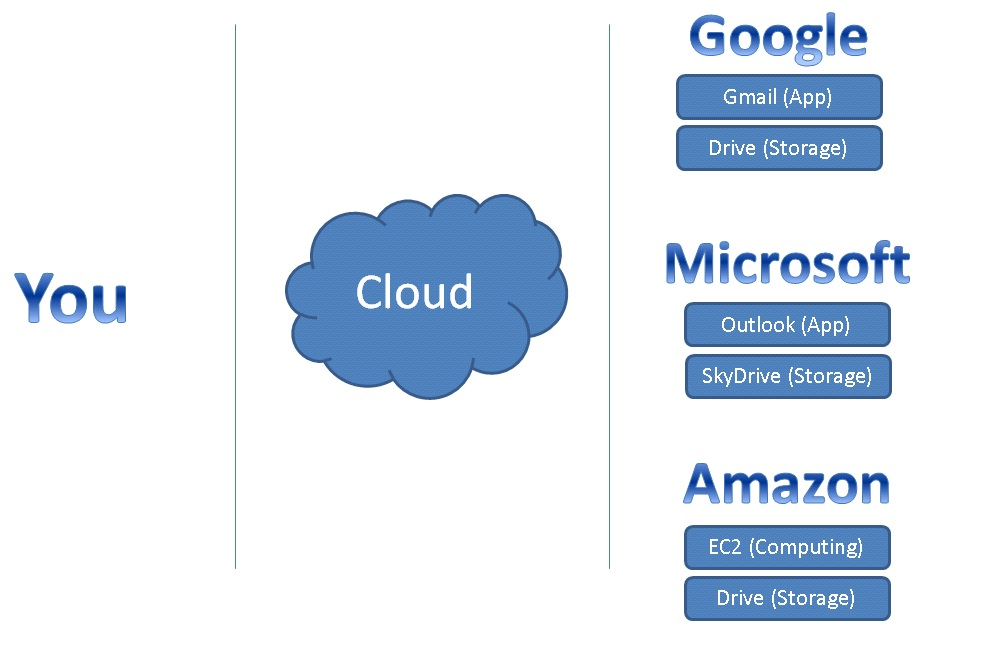
When you use an app like Gmail or store files in Google Drive, you're using the cloud. The data and software live on remote servers, and you access them through your browser or an app. This model allows individuals and businesses to use powerful computing resources on demand.
Key Benefits of the Cloud
Why has cloud computing become so dominant? The advantages are significant, especially for deploying applications like machine learning models that can require massive amounts of processing power.
Scalability
noun
The ability of a system to handle a growing amount of work by adding resources.
One of the biggest benefits is scalability. Imagine an e-commerce site on Black Friday. Traffic might spike to 100 times its normal level. With a traditional, on-premise server, you'd have to buy enough hardware to handle that peak load, even though it would sit idle most of the year. In the cloud, you can automatically add more computing power when you need it and scale back down when the rush is over. This dynamic allocation is often called elasticity.
This leads directly to cost savings. Instead of making a huge upfront investment in hardware (a capital expense), you pay a monthly fee for the resources you actually use (an operational expense). This pay-as-you-go model makes powerful computing accessible to startups and large enterprises alike.
Other benefits include speed and agility. Need a new server environment to test a model? You can spin one up in minutes, not the weeks it would take to order and set up a physical machine. Cloud providers also offer a global reach, with data centers around the world, allowing you to deploy your applications closer to your users for better performance.
| Benefit | Description |
|---|---|
| Cost Savings | Pay only for what you use, avoiding large upfront hardware costs. |
| Scalability | Easily increase or decrease resources to match demand. |
| Global Reach | Deploy applications in data centers worldwide. |
| Performance | Access powerful computing and low-latency networks. |
| Reliability | Providers manage infrastructure, backups, and disaster recovery. |
The Major Cloud Providers
While many companies offer cloud services, the market is dominated by three major players. Each offers a vast portfolio of services, but they have distinct strengths.

Amazon Web Services (AWS) is the oldest and largest provider, having launched in 2006. It has the most extensive global infrastructure and the widest array of services, making it a popular choice for all kinds of applications, from startups to large enterprises.
Microsoft Azure is the second-largest player. It has strong integration with Microsoft's other enterprise products, making it a natural choice for organizations that already rely heavily on Windows Server, Office 365, and other Microsoft software.
Google Cloud Platform (GCP) is known for its expertise in areas where Google itself excels, such as data analytics, machine learning, and networking. It offers powerful tools like BigQuery for data warehousing and robust support for containerized applications with Kubernetes, which was originally developed by Google.
For deploying a machine learning model, any of these three providers would be a strong choice. The best fit often depends on your team's existing expertise, your budget, and the specific services your model requires.
Understanding these foundational cloud concepts is the first step. It sets the stage for choosing the right environment and services to bring your machine learning models to life and deliver them to users anywhere in the world.
An e-commerce company anticipates a massive surge in website traffic during a one-day holiday sale. Which core benefit of cloud computing allows them to handle this spike without permanently upgrading their infrastructure?
Which statement best describes the financial model of cloud computing for a business?