Hospitality Marketing Essentials
Marketing Fundamentals
Marketing Beyond Advertising
When you hear the word “marketing,” you might think of TV commercials or social media ads. In the hospitality industry, however, marketing is much broader. It’s the entire process of creating wonderful experiences for guests, from the moment they consider a booking until long after they’ve checked out.
The core role of marketing in hospitality is to attract and retain profitable customers. This isn't just about filling rooms or tables. It’s about understanding what guests truly want and delivering it so well that they become loyal advocates for your brand. A hotel, restaurant, or airline doesn't just sell a product; it sells an experience. Marketing is the art and science of shaping that experience.
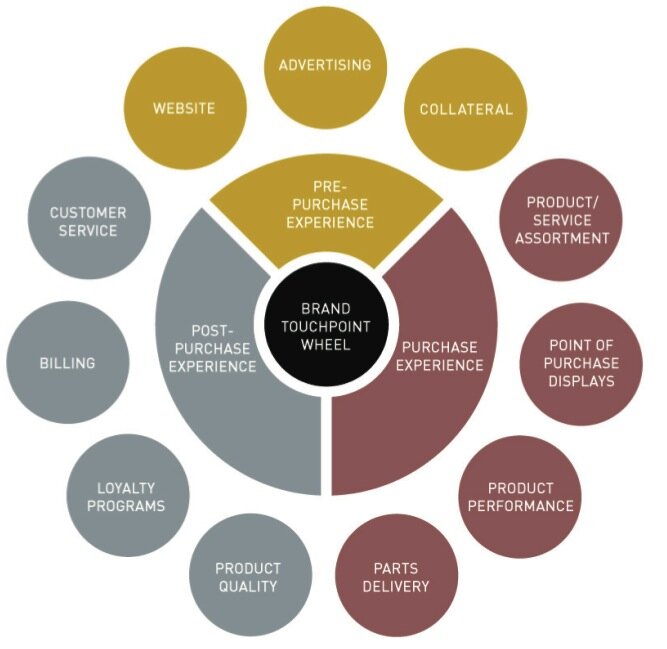
Think of it this way: advertising might get a customer in the door, but great marketing ensures their entire journey—the booking process, the welcome at the front desk, the comfort of the room, the quality of the food—is so positive they can't wait to return.
The Heart of Hospitality: Customer Value
So, how do you create an experience that brings people back? By focusing on customer value. Customer value is the guest's perception of the benefits they receive compared to the costs they incur.
Benefits aren't just the tangible things, like a bed or a meal. They include the feeling of being welcomed, the convenience of a mobile check-in, or the pleasure of a stunning view. Costs aren't just the price on the bill. They also include the time spent booking, the stress of a complicated check-in, or the disappointment of a dirty room.
The goal is to make the benefits far outweigh the costs in the guest's mind. A traveler might choose a slightly more expensive hotel if it has outstanding reviews for friendly staff and a seamless airport shuttle service. The added benefits (less stress, a warmer welcome) are worth the higher monetary cost. By increasing benefits or reducing costs, you enhance customer value.
Thinking Like Your Guests
To create value, a hospitality business must adopt a market orientation. This is a business philosophy that puts the customer at the center of every decision. It’s about looking at your entire operation from the outside in—through the eyes of your guests. A market orientation has three key components.
| Principle | Description | Example |
|---|---|---|
| Customer Focus | Genuinely understanding and responding to guest needs. | A hotel notices guests often ask for yoga mats, so it begins offering them in every room. |
| Competitor Awareness | Knowing what competitors offer and how you can differentiate. | A local cafe sees a rival is popular for its fast Wi-Fi and adds charging ports at every table. |
| Interfunctional Coordination | Ensuring all departments work together to serve the guest. | Housekeeping informs the front desk a room is ready early, allowing for a guest's early check-in. |
When these three principles work in harmony, the business can consistently anticipate and meet guest expectations, which is the foundation of successful hospitality marketing.
Case Study: A Boutique Hotel's Turnaround A small city hotel was struggling with bookings. Instead of just lowering prices, the new manager adopted a market-oriented approach.
First, she read every online review (customer focus) and noticed a common complaint: street noise. She also saw that a nearby competitor was praised for its quiet rooms (competitor awareness).
Working with maintenance, she invested in soundproofing the windows. She then coordinated with the front desk and marketing teams (interfunctional coordination) to promote the hotel's newly “peaceful and quiet” rooms, targeting business travelers who needed a good night's sleep. Bookings and positive reviews quickly increased.
Now, let's check your understanding of these core marketing principles.
According to the text, what is the core role of marketing in the hospitality industry?
A hotel adds a seamless airport shuttle and a mobile check-in feature. In the context of customer value, what is this hotel primarily doing?
Understanding these foundations—the true role of marketing, the importance of customer value, and the principles of a market orientation—is the first step toward building a thriving hospitality business.