Hospital Technology Explained
Introduction to Health Information Technology
What Is Health IT?
Health Information Technology, or HIT, is the framework of technology used to manage health information. Think of it as the digital nervous system of a hospital or clinic. It’s not just about computers; it’s about using hardware, software, and networks to securely collect, store, retrieve, and share patient health data.
Essentially, HIT helps get the right information to the right people at the right time, leading to safer and more effective care.
Just as technology has transformed banking and shopping, it has revolutionized healthcare. Instead of relying on paper files that can be lost, misread, or are only available in one place at a time, HIT creates a centralized and accessible source of information for care providers.
A Quick History
For decades, patient records were kept on paper, filed away in vast rooms of filing cabinets. This system was slow, prone to error, and made sharing information between departments or other hospitals a major logistical challenge.
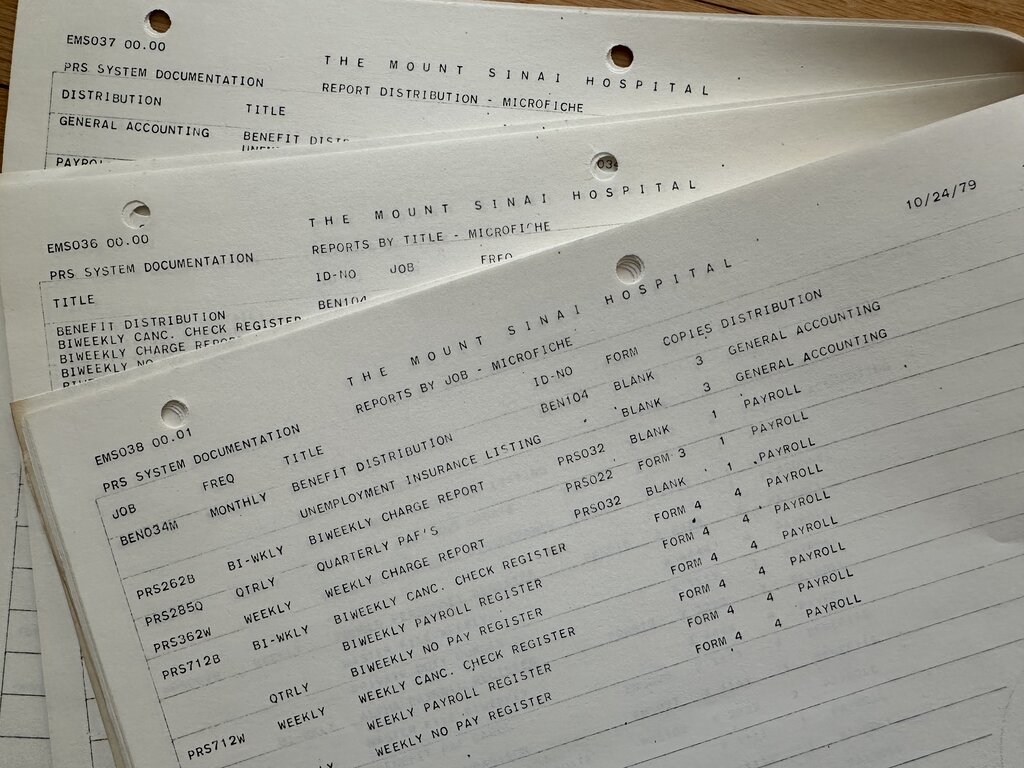
The digital shift began slowly. In the 1960s and 70s, large mainframe computers were introduced into hospitals, but mostly for administrative tasks like billing and payroll. It wasn't until personal computers became more common and powerful that technology started moving into clinical areas. The focus gradually shifted from just managing finances to managing patient care itself, paving the way for the integrated systems we see today.
The Building Blocks
Modern HIT infrastructure is built on three key pillars: hardware, software, and networks. Each piece must work seamlessly with the others.
- Hardware includes the physical components of the system. This ranges from the large servers that store data to the desktop computers, tablets, and specialized medical devices used by staff.
- Software refers to the programs and applications that run on the hardware. It includes everything from the operating system to specific applications for scheduling patient appointments, managing pharmacy orders, or handling billing.
- Networks are the communication channels that connect all the hardware and software. They allow a doctor’s tablet to access patient data from a central server or a lab machine to send results directly to the care team. Secure, reliable networks are essential to protect patient privacy.
Why It Matters
The primary goal of HIT is to improve the quality and safety of patient care. When information is accurate, complete, and readily available, clinicians can make better decisions. For instance, instant access to a patient's allergy information can prevent a dangerous reaction to a new medication.
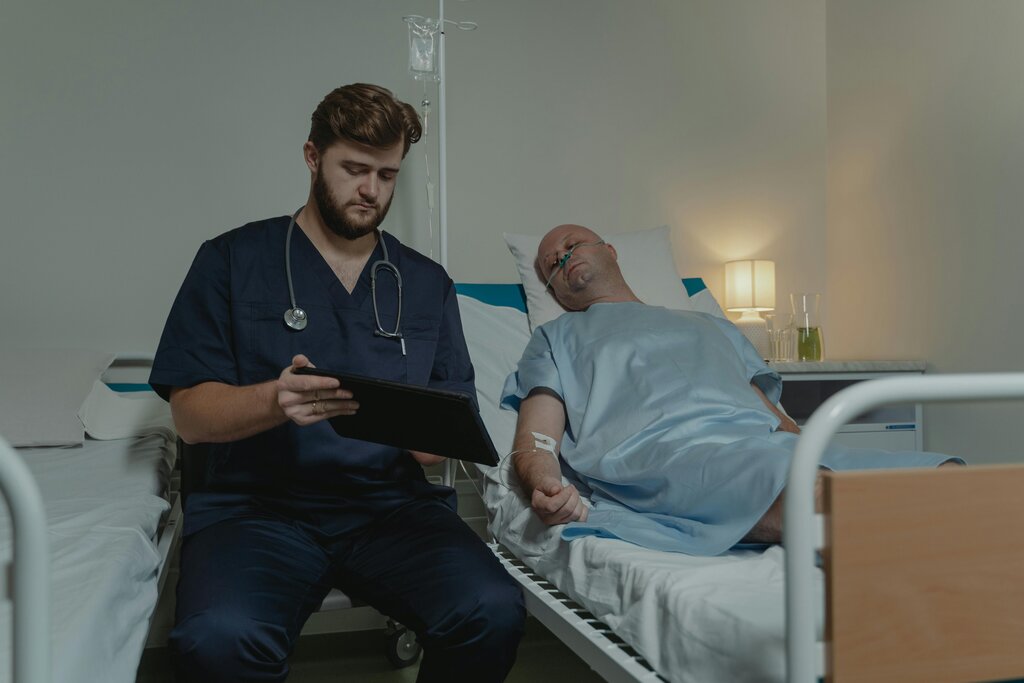
Beyond patient safety, HIT also makes hospital operations more efficient. It automates tasks that were once done by hand, reducing paperwork and administrative overhead. This frees up clinicians to spend more time with patients and allows hospitals to manage resources like beds and operating rooms more effectively.
Effective HIT leads to better coordination among different departments, from the lab to the pharmacy to the surgical suite, ensuring everyone is working with the same up-to-date information.
Now, let's test your understanding of these core concepts.
What is the primary function of Health Information Technology (HIT)?
Which of the following best describes the initial use of mainframe computers in hospitals during the 1960s and 70s?
Understanding these foundations of Health IT is the first step in appreciating how technology is reshaping modern healthcare.