Hospital Management Systems Explained
Introduction to Hospital Management Systems
What Is a Hospital Management System?
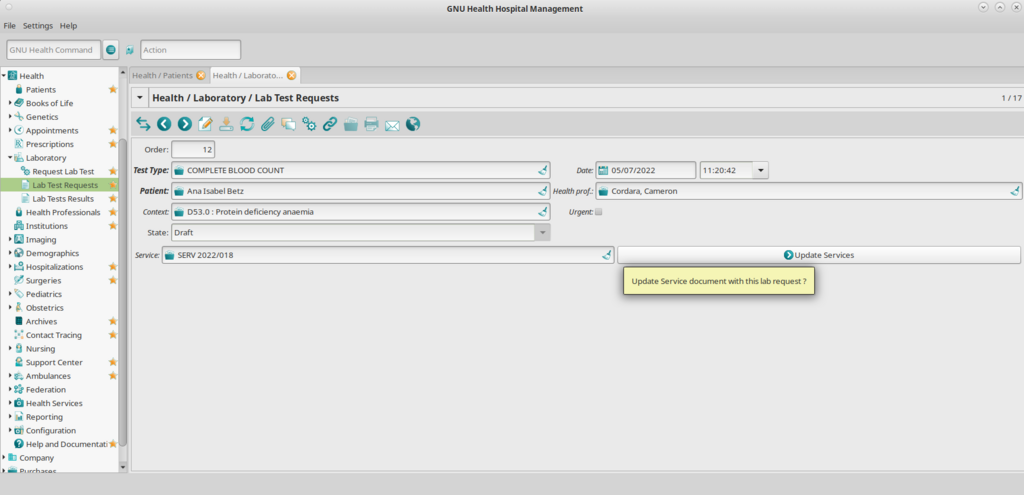
A Hospital Management System, or HMS, is a comprehensive information system designed to manage all aspects of a hospital's operation. Think of it as the central nervous system for a healthcare facility. It handles everything from patient registration and scheduling appointments to managing billing, pharmacy, and lab results.
The main purpose of an HMS is to streamline workflows, improve data management, and ultimately enhance patient care by making hospital operations more efficient and accurate.
Instead of relying on stacks of paper files and manual processes, an HMS integrates all of this information into a single, secure digital platform. This allows doctors, nurses, and administrative staff to access the information they need quickly and easily, right when they need it.
From Paper to Pixels
Not long ago, managing a hospital was a monumental task of paperwork. Patient records were stored in massive filing rooms, appointments were logged in physical books, and billing was a manual process prone to errors. Finding a patient's history could take hours, and sharing information between departments was slow and cumbersome.
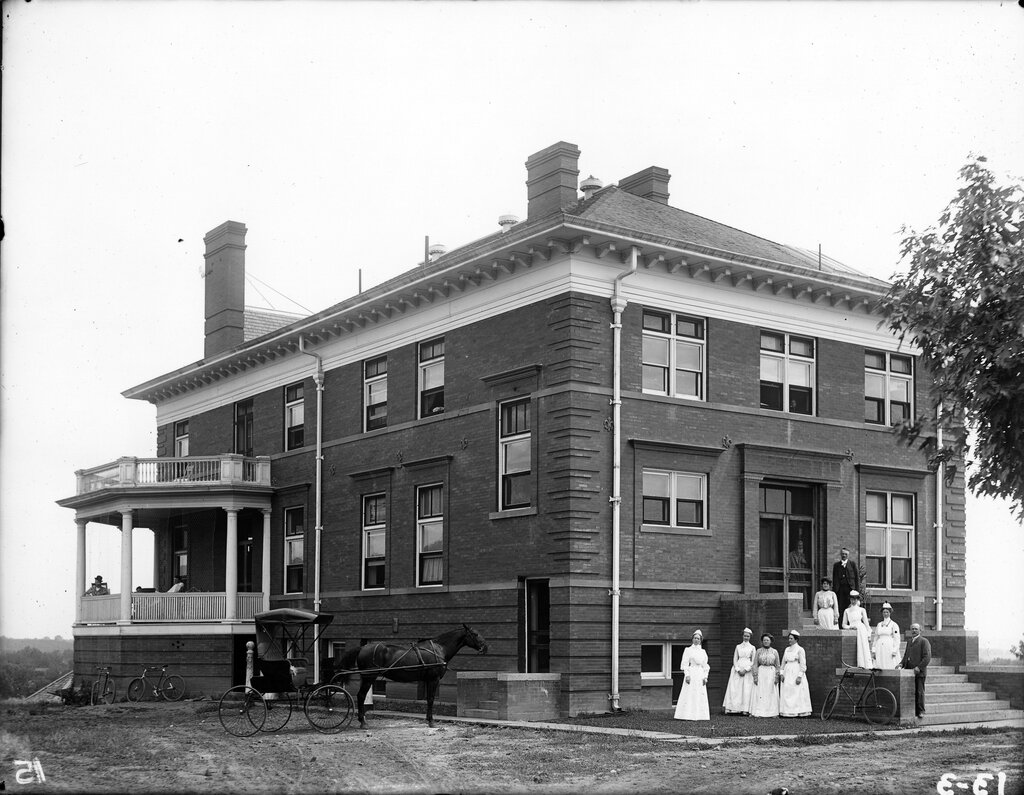
The evolution of hospital information systems began in the 1960s with mainframe computers handling basic billing and accounting. As technology advanced, these systems grew more sophisticated. The rise of personal computers and networks allowed for the development of more integrated systems that could manage clinical data, not just financial information.
Today's HMS are powerful, web-based platforms that are critical for modern healthcare. They reduce the risk of human error, improve the speed and quality of care, and provide valuable data that helps hospitals operate more effectively. This digital transformation means less time spent on administrative tasks and more time focused on patients.
Core Components
While every HMS can be customized, most are built around a set of core modules that handle specific functions. These components work together to create a unified system.
Here are a few of the most common components:
- Patient Registration: This module captures and stores patient demographic information, such as name, age, address, and insurance details. It's the starting point for a patient's journey in the hospital.
- Appointment Scheduling: Manages patient appointments with doctors, for lab tests, and other procedures. It helps optimize doctors' schedules and reduce patient wait times.
- Billing and Insurance: This component handles all financial transactions. It generates bills, processes payments, and manages insurance claims.
- Electronic Health Record (EHR): The clinical heart of the HMS. It contains a patient's complete medical history, including diagnoses, treatments, medications, allergies, and test results.
These core pieces ensure that information flows smoothly across different departments, from the front desk to the operating room and the billing office.
Focusing on management systems specific to health care, this program provides skill building in the critical areas of leadership and management development.
Now, let's check your understanding of these fundamental concepts.
What is the primary function of a Hospital Management System (HMS)?
True or False: Modern HMS platforms increase the risk of human error compared to traditional paper-based systems.
Understanding these basics provides a solid foundation for exploring how modern healthcare facilities operate.