Horse Race Betting Strategies
Introduction to Horse Racing
A Sport of Kings
Horse racing is one of the oldest sports, with roots stretching back to ancient nomadic tribes in Central Asia who first domesticated horses. What began as simple contests of speed and endurance evolved into a highly organized and popular spectacle. The sport as we know it today was largely shaped in England, where it gained the nickname "The Sport of Kings" due to its popularity among royalty and the aristocracy.
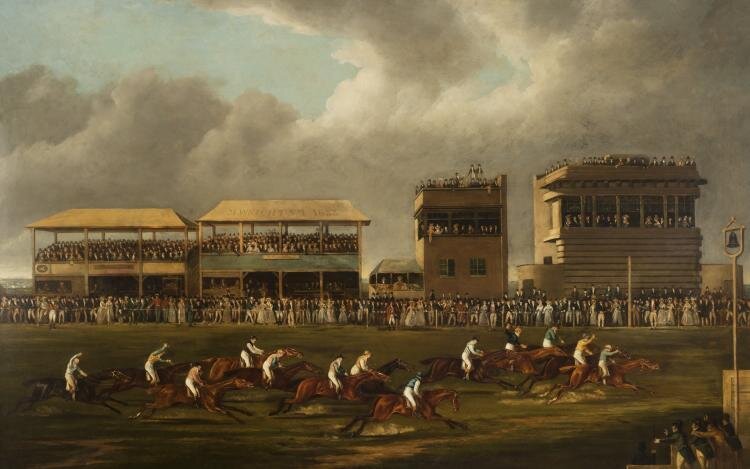
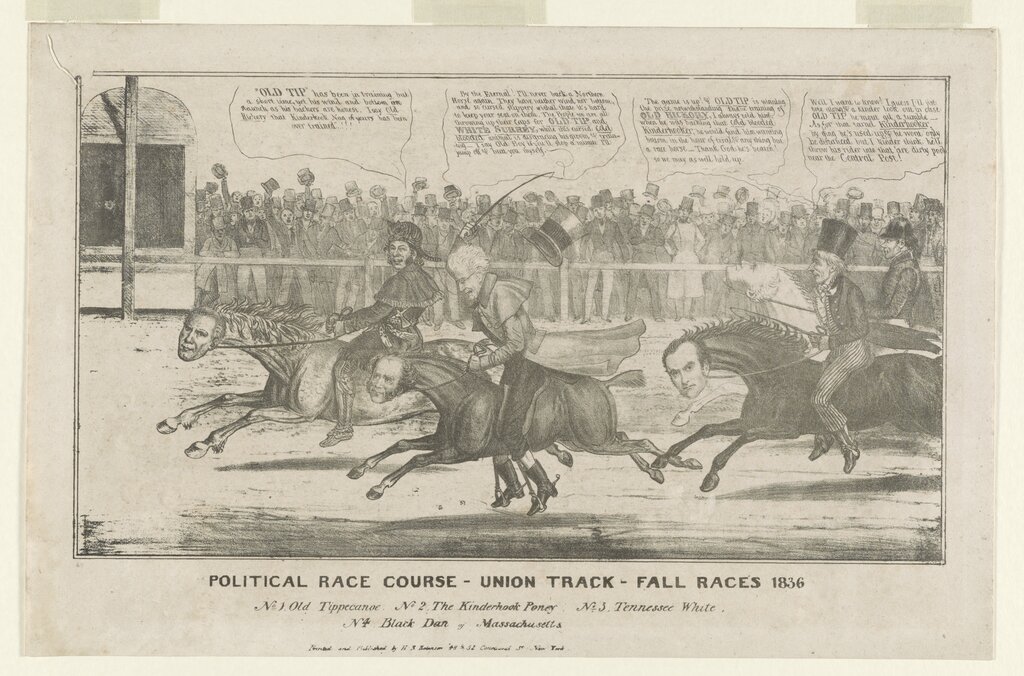
From Britain, the sport galloped across the globe, becoming especially popular in America, Australia, and the Middle East. It became so ingrained in the culture that political cartoons often used horse races as a metaphor for elections, a testament to its widespread appeal and understanding among the general public.
Talking the Talk
Like any specialized field, horse racing has its own unique language. Understanding a few key terms will help you follow the action and appreciate the nuances of the sport.
Furlong
noun
A unit of distance equal to one-eighth of a mile, or 220 yards. Race distances are often measured in furlongs.
This is a fundamental unit you'll see everywhere. Another term you'll hear often relates to the horse's lineage.
Sire
noun
The father of a horse.
A horse's parentage, or pedigree, is a crucial factor for trainers and owners. A good lineage can suggest a horse has potential for speed and stamina. Here are a few more terms you might encounter:
| Term | Definition |
|---|---|
| Dam | The mother of a horse. |
| Maiden | A horse that has not yet won a race. |
| Purse | The total prize money distributed to the owners of the top finishers in a race. |
| Post Position | The starting stall number assigned to a horse in a race. |
Types of Races
Not all horse races are the same. They are categorized based on various factors, including the horse's age, sex, and past performance. This system ensures that races are competitive and fair. The main distinction is between Maiden races and races for winners.
Once a horse wins a maiden race, it graduates to higher levels of competition. These races for winners are further classified into different grades or categories, creating a ladder for talented horses to climb.
The better a horse performs, the tougher the competition it will face in its next race. This classification system is the bedrock of competitive horse racing.
The most common types of races for winners, in ascending order of prestige and purse size, are:
- Claiming Races: This is the lowest level. Every horse in the race is for sale for a set price. Anyone can "claim" (purchase) a horse before the race begins.
- Allowance Races: A step up from claiming races. Horses in these races are not for sale. They have specific conditions, such as non-winners of a certain number of races or a certain amount of money.
- Stakes Races: These are the top-tier races, featuring the best horses competing for the largest purses. Major events like the Kentucky Derby, Preakness Stakes, and Belmont Stakes are all Grade 1 stakes races, the highest level.
Time to see what you've learned about the basics of horse racing.
Horse racing is often called "The Sport of Kings." In which country did it primarily develop into the organized sport we know today and earn this nickname?
In horse racing, what does the term "pedigree" refer to?
With these fundamentals, you have a solid foundation for understanding the world of horse racing.