Horror Platformer Lighting and Shaders
Introduction to Horror Game Lighting
Light as a Storyteller
In a horror game, light is more than just a way to see. It’s a tool that directs your eyes, plays with your emotions, and tells you what to feel. A flickering bulb in a hallway isn’t just a broken light; it’s a warning. A single, safe-looking lantern in a dark forest is a beacon of hope, but it also makes the shadows around it seem deeper and more threatening.
Effective horror lighting doesn’t just illuminate the path. It controls the mood, builds suspense, and can make a simple corridor feel terrifying. It’s the difference between walking through a room and feeling like the room is watching you.
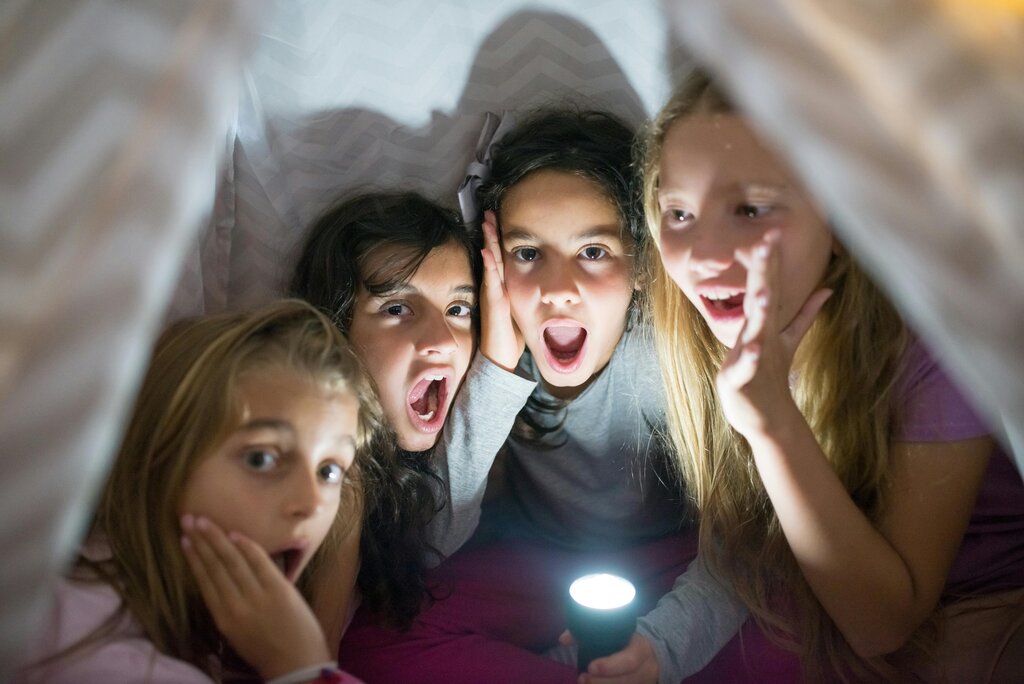
By understanding a few key principles, designers can turn light into one of their most powerful storytelling devices.
The Power of Shadows
What we can’t see is often scarier than what we can. Our brains are wired to fill in the blanks, and in a horror game, our imagination usually defaults to the worst-case scenario. Shadows are the canvas for our fears.
A long, distorted shadow can suggest a creature that isn’t there. A corner plunged in darkness might hide an enemy, or it might be empty. That uncertainty is a core ingredient of suspense. By carefully placing light sources, developers can create pools of darkness that conceal threats and build tension as the player is forced to step into them.
Shadows force the player to question their surroundings. Is that noise coming from the darkness ahead? Do I really have to go in there?
Shadows also guide the player's attention. A brightly lit object in an otherwise dark room will immediately draw the eye. This can be used to highlight a key, a clue, or even a trap.
Color and Emotion
Color temperature is another subtle but powerful tool. It refers to the warmth or coolness of a light source, and it has a direct impact on our emotional state. We instinctively associate different colors with different feelings.
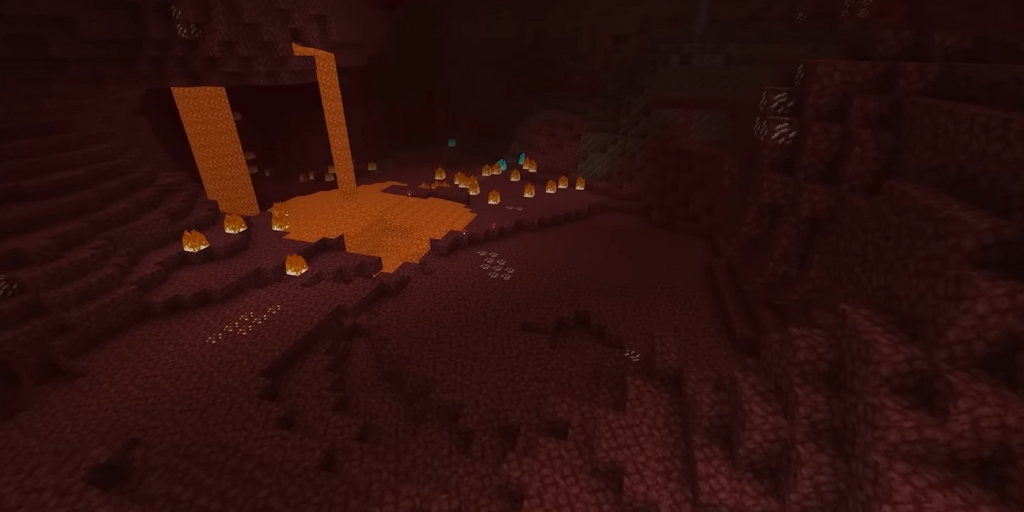
Warm colors like reds and oranges can feel comforting, like a campfire or a hearth. In a horror game, a save point might be lit with a warm lantern to signify a moment of safety. But these same colors can also mean danger: the red of an alarm, blood, or fire.
Cool colors like blues and greens often create a sense of unease. They can feel sterile, unnatural, or ghostly. Think of the cold, blue light of the moon in a graveyard or the sickly green glow of a chemical spill. These colors tell the player they are in a place that is hostile or alien.
| Color Temperature | Common Associations | Emotional Impact |
|---|---|---|
| Warm (Reds, Yellows) | Fire, lamps, sunlight | Comfort, safety, or danger |
| Cool (Blues, Greens) | Moonlight, labs, underwater | Unease, supernatural, calm |
| Neutral (White) | Fluorescent lights, sterile | Clinical, empty, inhuman |
The Tension of Contrast
Contrast is the difference between the brightest and darkest parts of a scene. How it's used can dramatically change the feel of the game.
High contrast lighting uses deep shadows right next to bright lights. This creates a very dramatic, stark look. It's excellent for jump scares, as a creature can suddenly step from a black shadow into a harsh light. It also creates a strong sense of focus, drawing your attention to the illuminated areas while making the darkness feel even more menacing.
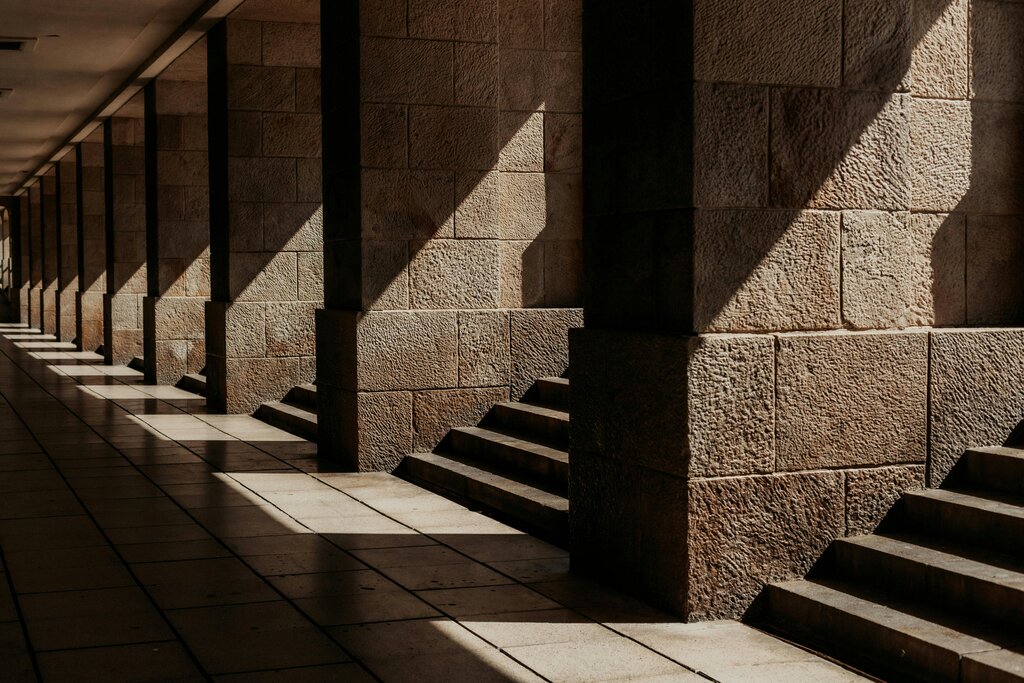
Low contrast lighting is the opposite. Think of a foggy forest or a dusty, abandoned basement. There are no pure blacks or bright whites, just a range of murky grays. This creates a different kind of fear. The danger isn’t hiding in a specific shadow; it could be anywhere in the gloom, just out of sight. This constant, oppressive uncertainty can be just as scary as a sudden shock.

By mastering the interplay of shadow, color, and contrast, game designers can transform a simple space into a memorable and terrifying experience.
In a horror game, what is the primary role of lighting beyond simple illumination?
Why are shadows considered a powerful tool for creating suspense in horror games?