Hormone Reset Diet for Women Over 40
Understanding Hormonal Changes
The Shift Begins
For many women, the 40s mark a significant shift. It’s a time when your body’s hormonal symphony begins to play a new tune. This transition, which can start subtly in your late 30s or early 40s, is called perimenopause. It’s the lead-up to menopause, and it can last for several years.
perimenopause
noun
The transitional period before menopause, during which the body's production of estrogen and progesterone fluctuates and begins to decline.
During your reproductive years, the hormones estrogen and progesterone rise and fall in a predictable monthly rhythm. Perimenopause disrupts this pattern. Instead of a gentle, steady decline, your hormone levels can fluctuate wildly. One month, your estrogen might soar higher than it did in your 20s. The next, it could plummet.
Progesterone is often the first hormone to decrease, which can throw the delicate balance with estrogen out of whack. These unpredictable swings are what trigger many of the classic symptoms associated with this life stage.
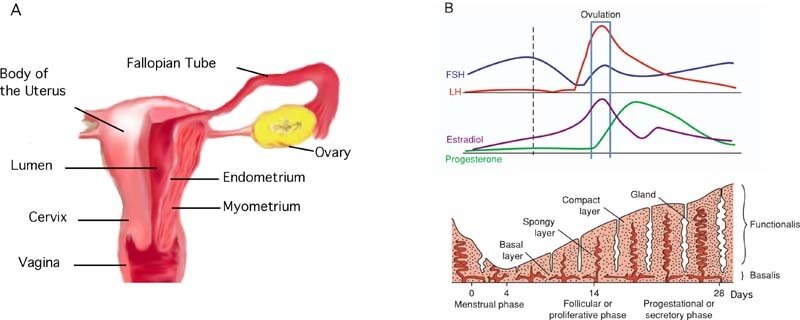
Think of it like a radio dial being turned erratically. The clear signal you're used to becomes staticky and unpredictable. This hormonal static affects nearly every system in your body, from your brain to your bones.
Body Signals
The symptoms of perimenopause are widespread and can vary greatly from person to person. Because the hormonal changes are so erratic, symptoms can come and go, making them difficult to pin down.
Common physical signs include:
- Irregular Periods: Your cycle might become shorter, longer, heavier, or lighter.
- Hot Flashes and Night Sweats: A sudden feeling of warmth spreading through your body, often leading to sweating and a flushed face.
- Sleep Problems: Difficulty falling or staying asleep, often linked to night sweats.
- Fatigue: A persistent feeling of exhaustion that isn't relieved by rest.
Emotionally and mentally, you might notice:
- Mood Swings: Feeling irritable, anxious, or more sensitive than usual.
- Brain Fog: Trouble with memory, focus, and concentration.
These symptoms are not just in your head; they are real physiological responses to the dramatic hormonal shifts occurring in your body.
In perimenopause, symptoms like mood swings, sleep issues, brain fog, and anxiety are usually mistaken for depression or aging, according to Rupa Health and the Cleveland Clinic.
Metabolism and Weight
One of the most frustrating changes for many women during this time is weight gain, particularly around the abdomen. This isn't just a matter of eating more or moving less; your shifting hormones play a major role.
Estrogen influences where your body stores fat. When estrogen levels are higher, fat tends to accumulate on the hips and thighs. As estrogen declines during perimenopause and menopause, fat storage shifts to the belly. This type of fat, called visceral fat, is stored deeper in the abdomen and is linked to more health risks.
Hormonal changes can also affect your metabolism. As estrogen and progesterone levels drop, your body may become less sensitive to insulin, a hormone that helps regulate blood sugar. This can make it easier to gain weight and harder to lose it. Muscle mass also tends to decrease with age, which further slows down your metabolism, as muscle burns more calories at rest than fat does.
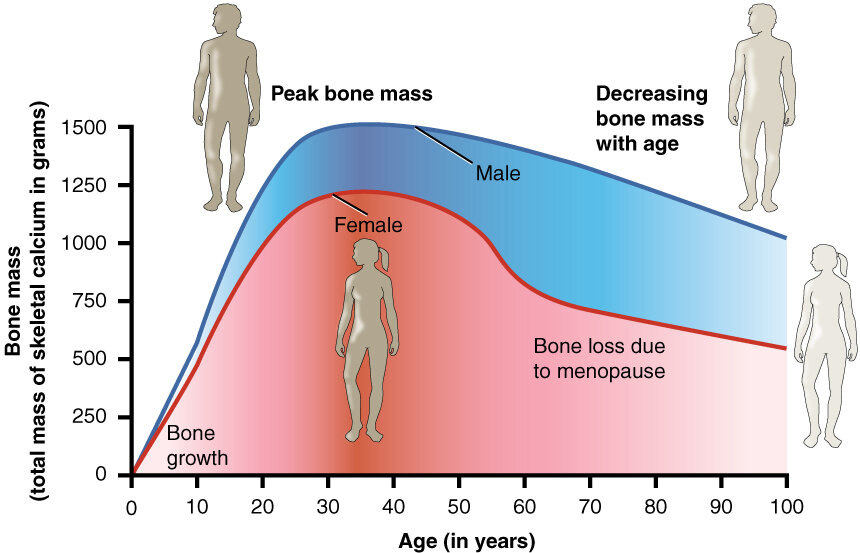
Eventually, the hormonal fluctuations of perimenopause give way to a new, stable state. After you've gone 12 consecutive months without a period, you have officially reached menopause.
menopause
noun
The point in time 12 months after a woman's last menstrual period, marking the end of her reproductive years.
After menopause, your hormone levels don't fluctuate as wildly anymore. They stabilize at a new, much lower baseline. While this brings an end to menstrual cycles, some symptoms can persist as your body adjusts to its new normal.
What is perimenopause?
Which statement best describes the hormonal changes during perimenopause?
Understanding these hormonal changes is the first step. Recognizing that symptoms like fatigue, mood shifts, and weight gain are tied to this natural life transition empowers you to better navigate it.