Hormonal Shifts After 40
Hormonal Changes After 40
The Hormonal Shift After 40
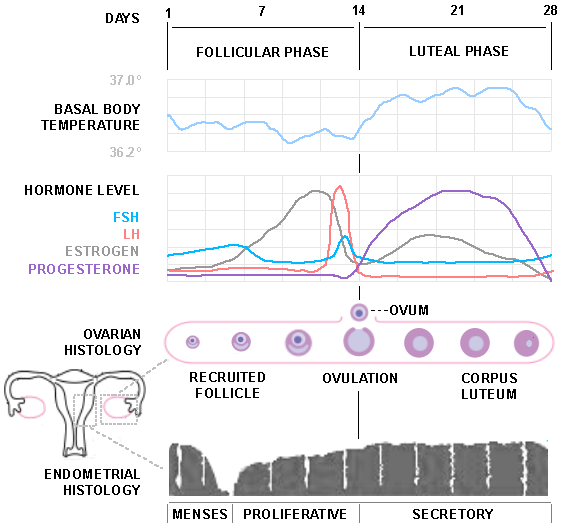
Starting around your late 30s or early 40s, your body begins a gradual transition. This isn't an overnight change, but a slow rewiring of your reproductive system. The key players in this process are two hormones you've lived with for decades: estrogen and progesterone.
estrogen
noun
A primary female sex hormone responsible for the regulation of the female reproductive system and the development of secondary sexual characteristics.
Estrogen is crucial for maintaining the menstrual cycle. It helps grow and mature the uterine lining and plays a role in bone health, mood regulation, and skin elasticity.
progesterone
noun
A steroid hormone that prepares the uterus for pregnancy and supports it during pregnancy. It works in balance with estrogen.
Progesterone's main job is to prepare the uterus for a potential pregnancy after ovulation. Think of estrogen as the hormone that builds the nest, and progesterone as the one that makes it cozy and ready for an egg. As you approach and move through your 40s, your ovaries' production of these hormones begins to fluctuate and decline.
The Three Phases of Transition
The journey to menopause isn't a single event but a progression through distinct phases. It starts long before your periods actually stop.
Perimenopause is the first stage. This is the transition period, which can last for several years. Your ovaries' hormone production becomes less predictable. Instead of a steady, monthly rhythm, your estrogen and progesterone levels can swing high one month and low the next. This causes changes in your menstrual cycle—it might become longer, shorter, heavier, or lighter.
Perimenopause, sometimes called “the menopause transition,” most typically starts in the late thirties or early forties, but again, some women will start to experience changes in their cycles sooner.
Next comes menopause. This is a specific point in time, officially defined as 12 consecutive months without a menstrual period. The average age for menopause is around 51, but it can happen earlier or later. At this stage, your ovaries have significantly slowed their production of estrogen and progesterone.
Finally, there's postmenopause. This phase begins the day after you've hit the one-year mark without a period and lasts for the rest of your life. Your hormone levels remain consistently low.
How Your Body Responds
Estrogen and progesterone don't just affect your reproductive organs; they have receptors all over your body. As their levels decline, various systems notice the change. One of the most significant impacts is on bone density. Estrogen helps keep your bones strong, so as it decreases, your body may start to lose bone mass more quickly.
The brain's chemistry is also affected. Estrogen influences neurotransmitters that regulate mood, sleep, and even body temperature. The fluctuations during perimenopause can disrupt these finely tuned systems. Similarly, changes in hormones can affect your metabolism, sometimes making it easier to gain weight, particularly around the abdomen. These shifts are a natural part of aging, marking a new physiological chapter.