Hook Your Audience YouTube Intros
Understanding YouTube Audience
Who Is Watching?
Every video you post is a conversation. But who are you talking to? If you don't know your audience, you're essentially shouting into the void and hoping someone listens. Understanding who watches your videos—and why—is the first step to creating content that truly connects.
Knowing who your viewers are and what they want is the foundation of creating engaging content.
Think of it like being a comedian. A joke that works for a room full of high school students might not land with a crowd of retirees. The material is the same, but the audience changes everything. On YouTube, your audience isn't a faceless number. They are real people with specific interests, habits, and preferences. Your job is to get to know them.
Decoding Your Viewers
The best place to start is with the basics: demographics. This is the statistical data about your audience, like their age, gender, and geographic location. It’s a bird's-eye view of your viewership.
YouTube Analytics provides all of this information in the "Audience" tab. You might discover that your videos about gardening are surprisingly popular with young men in urban areas, or that your film reviews have a huge following in Brazil. This information is gold. It helps you bust assumptions and understand the real-world makeup of your community.
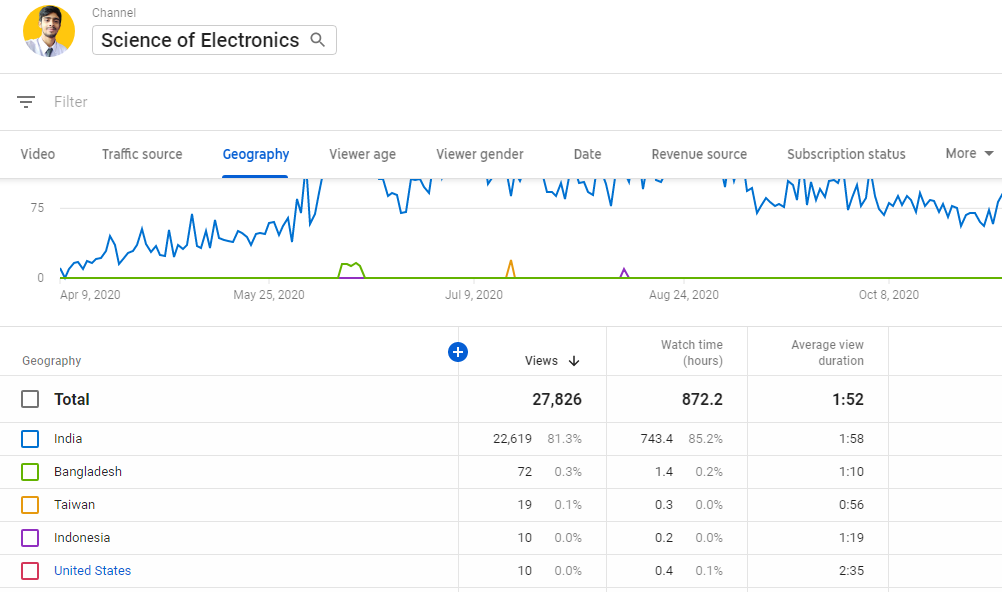
Demographics tell you who is watching, but viewer behavior tells you how they're watching. This is where the story gets really interesting.
What Your Audience Actually Does
Beyond basic demographics, YouTube tracks how viewers interact with your content. A few key metrics paint a detailed picture:
- Traffic Sources: This shows you how people found your video. Did they search for a specific term? Did YouTube recommend it on their homepage? Did they click a link from another website? This helps you understand which of your discovery strategies are working.
- Watch Time: This is the total accumulated time people have spent watching your video. It’s a powerful signal to YouTube's algorithm that your content is valuable and engaging.
- Audience Retention: This might be the most important metric of all. It’s a graph that shows, second by second, what percentage of your audience is still watching. It reveals your video's strengths and weaknesses with unflinching honesty.
Look at your retention graphs. Is there a big drop in the first 15 seconds? Your introduction might not be compelling enough. Is there a section where the line bumps up? That's a part viewers re-watched, meaning it was particularly interesting or useful. Analyzing these patterns across several videos helps you learn what keeps your specific audience hooked.
Defining Your Ideal Viewer
After exploring your analytics, you can combine demographics with behavior patterns to create a picture of your target audience. This isn't about excluding people; it's about understanding who you can serve best.
Try creating a simple "viewer persona." Give them a name and a backstory. For example, if you have a channel about budget travel, your ideal viewer might be "Maria," a 24-year-old recent graduate who lives in a big city, loves adventure, and searches for "how to travel Europe cheaply." Thinking about Maria helps you make decisions. What questions would she have? What kind of intro would grab her attention? What video length suits her lifestyle?
When you make content for one specific person, you make it more relatable for everyone.
Your audience isn't static. It will evolve as your channel grows. Regularly checking in on your analytics and adjusting your understanding of your viewers is a key part of building a successful channel.
In the context of YouTube Analytics, what does the term "demographics" refer to?
Which YouTube Analytic is considered one of the most important because it shows, second-by-second, the percentage of viewers who are still watching your video?