Hong Kong Essentials
Early History
Ancient Roots
Long before its famous skyline emerged, the land we now call Hong Kong was home to ancient peoples. Archaeological evidence suggests human activity here stretches back tens of thousands of years into the Paleolithic period, or Old Stone Age. Excavations have unearthed simple stone tools, hinting at the lives of early hunter-gatherers who roamed the coastlines and hills.
The story becomes clearer in the Neolithic period, or New Stone Age, which began around 7,000 years ago. People started to settle in communities, particularly along the coast. Archaeologists have found more sophisticated tools from this era, like polished stone adzes and rings, along with coarse pottery. These artifacts show a shift from a purely nomadic lifestyle to more settled coastal communities that likely relied on fishing.

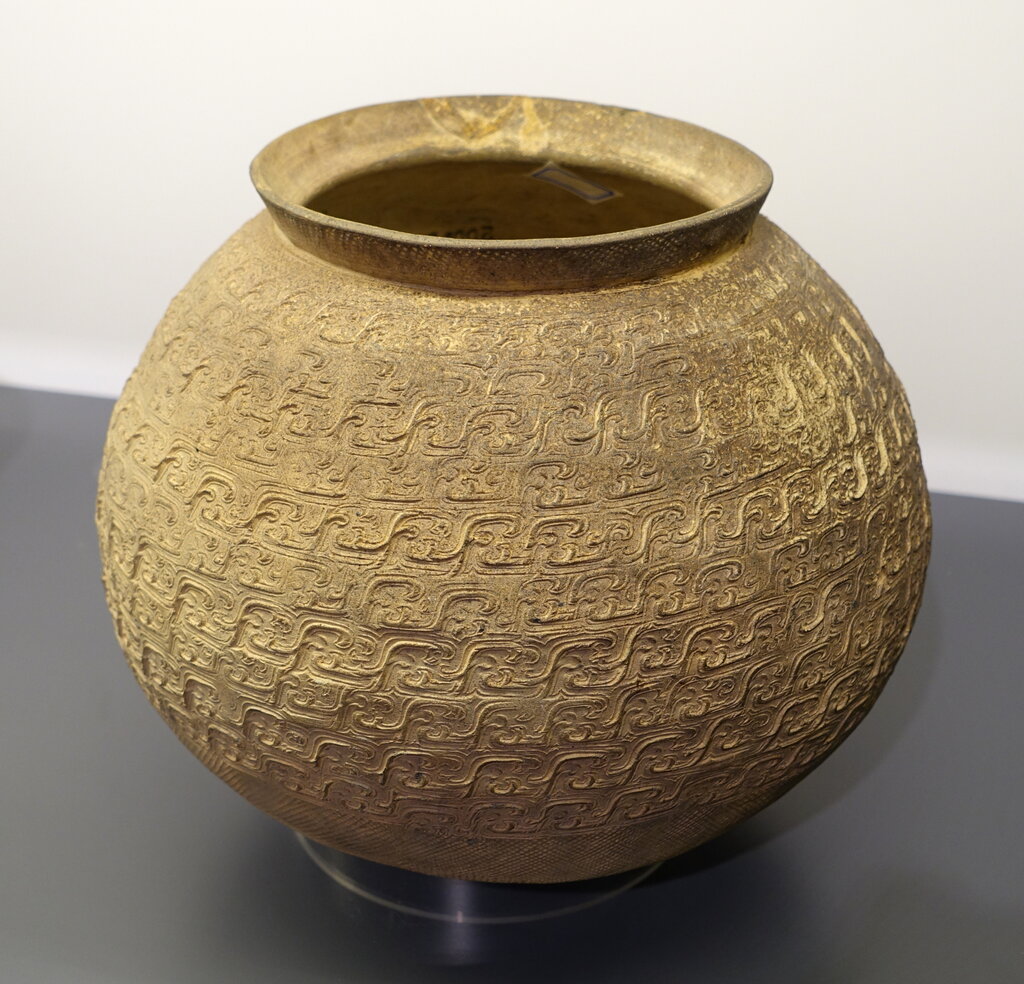
As societies developed, the Bronze Age brought new technologies. While fewer bronze artifacts have been found in Hong Kong compared to central China, discoveries like weapons, bells, and decorated pottery show that the region was part of a broader network of cultural exchange.
Joining the Empire
For thousands of years, the area was populated by various non-Chinese Yue tribes. This changed in the 3rd century BCE, when the region was officially brought into the Chinese empire. In 214 BCE, Qin Shi Huang, the first emperor of a unified China, conquered the southern coastal regions and incorporated them into his new territory. This marked the beginning of Hong Kong's recorded history as part of China.
Under the subsequent Han dynasty (206 BCE–220 CE), Chinese influence grew. The government established administrative control and encouraged Han Chinese settlement. The area became known for salt production, a valuable and state-controlled commodity. An ancient tomb discovered in Lei Cheng Uk, dating to the Eastern Han dynasty, contains pottery and bronze items that prove the presence of Han officials and a settled community.
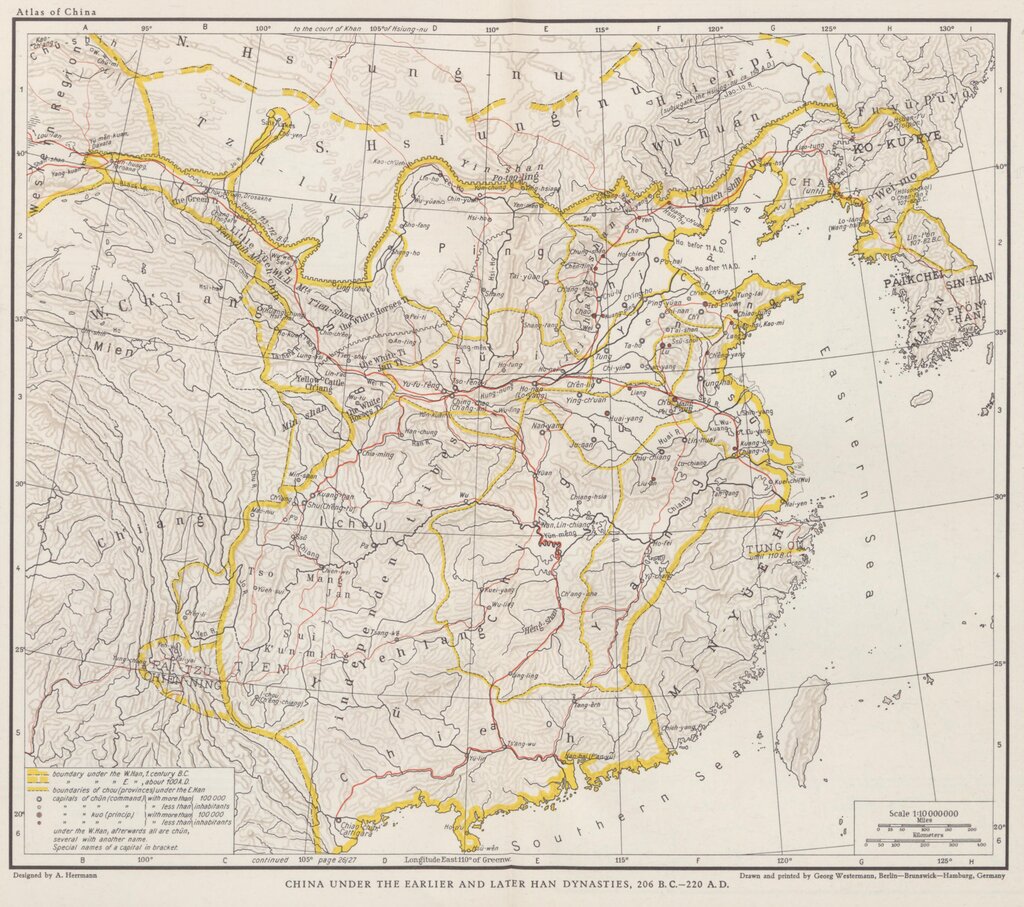
The Han dynasty also saw the region become a small but notable part of the Maritime Silk Road. Its coastal location made it a useful stop for merchant ships trading with Southeast Asia and the Indian Ocean. While not yet a major port, its early role in these vast trade networks set the stage for its future as a global hub.
Let's check your understanding of this foundational period.
What does archaeological evidence from the Paleolithic period (Old Stone Age) in Hong Kong primarily suggest about its earliest inhabitants?
The discovery of polished stone tools and coarse pottery from the Neolithic period points to what significant change in how people lived in Hong Kong?
This early history, from Stone Age settlements to its integration into the Han empire, laid the cultural and historical groundwork for the Hong Kong we know today.