Homo juluensis and Paleoanthropological Classification
Middle Pleistocene Morphology
A Mosaic from the Middle Pleistocene
The story of human evolution is often told as a neat line, but the reality is far messier. Fossils from the Middle Pleistocene, a period stretching from roughly 774,000 to 129,000 years ago, reveal a world of diverse hominin populations. Among the most enigmatic are specimens from China, such as the Harbin cranium and the Hualongdong fossils. These finds are forcing a rethink of our family tree, suggesting a distinct lineage dubbed Homo juluensis.
The Harbin cranium, also known as , is a centerpiece of this new hypothesis. Discovered in the 1930s but only studied in detail recently, it is remarkably well-preserved. Its most striking feature is its sheer size; it's one of the largest hominin skulls ever found. It has a long, low braincase and massive, almost bar-like brow ridges, features considered 'primitive' because they resemble those of older species like Homo erectus. The eye sockets are large and almost square.
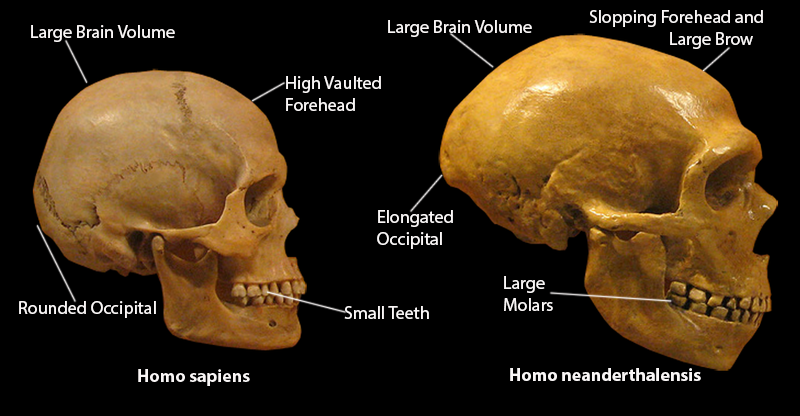
Yet, Dragon Man is not simply an oversized Homo erectus. It displays a 'mosaic' of traits. Some are 'derived,' or more similar to modern humans. For instance, its face is surprisingly flat and tucked under the braincase, unlike the projecting faces of Neanderthals or Homo heidelbergensis. Most significantly, its brain capacity is estimated at around 1,420 cubic centimeters (cc), falling squarely within the range of modern humans and Neanderthals.
The Juluren Signature
Researchers Christopher Bae and Xiujie Wu have proposed that the Harbin cranium, along with other fossils like those from Hualongdong, Dali, and Xiahe, belong to a distinct East Asian lineage. They've identified a suite of characteristics they call the 'Juluren' (meaning 'large head person') signature. This isn't just about a big head; it's a specific combination of features. The Hualongdong 6 (HLD 6) skull, a partial cranium of an adolescent, shares many of these traits, strengthening the case for a regional population.
| Feature | Harbin (Dragon Man) | Hualongdong 6 (HLD 6) | Homo sapiens (Typical) |
|---|---|---|---|
| Braincase | Long and low | Low, wide base | High and rounded |
| Brow Ridge | Massive, bar-like | Prominent | Reduced or absent |
| Face | Flat, retracted | Flat, low face | Flat, retracted |
| Teeth | Oversized molars | Very large molars | Smaller molars |
| Chin | Lacks a true chin | Lacks a true chin | Prominent chin |
The teeth are a critical piece of the puzzle. Both Harbin and Hualongdong specimens have exceptionally large molars, far larger than what is typical for Homo sapiens. This oversized dentition is a key part of the [{
The combination of a primitive braincase with a more modern-looking face is what makes this lineage so fascinating and difficult to place.
A New Branch on the Tree?
So, where does Homo juluensis fit in? The analysis suggests it's a sister lineage to Homo sapiens. This means we share a more recent common ancestor with them than with Neanderthals. This challenges the traditional view that Neanderthals are our closest extinct relatives. The anatomical evidence from Harbin and Hualongdong paints a picture of a successful, widespread hominin group that thrived in East Asia for hundreds of thousands of years, evolving its own unique set of features.
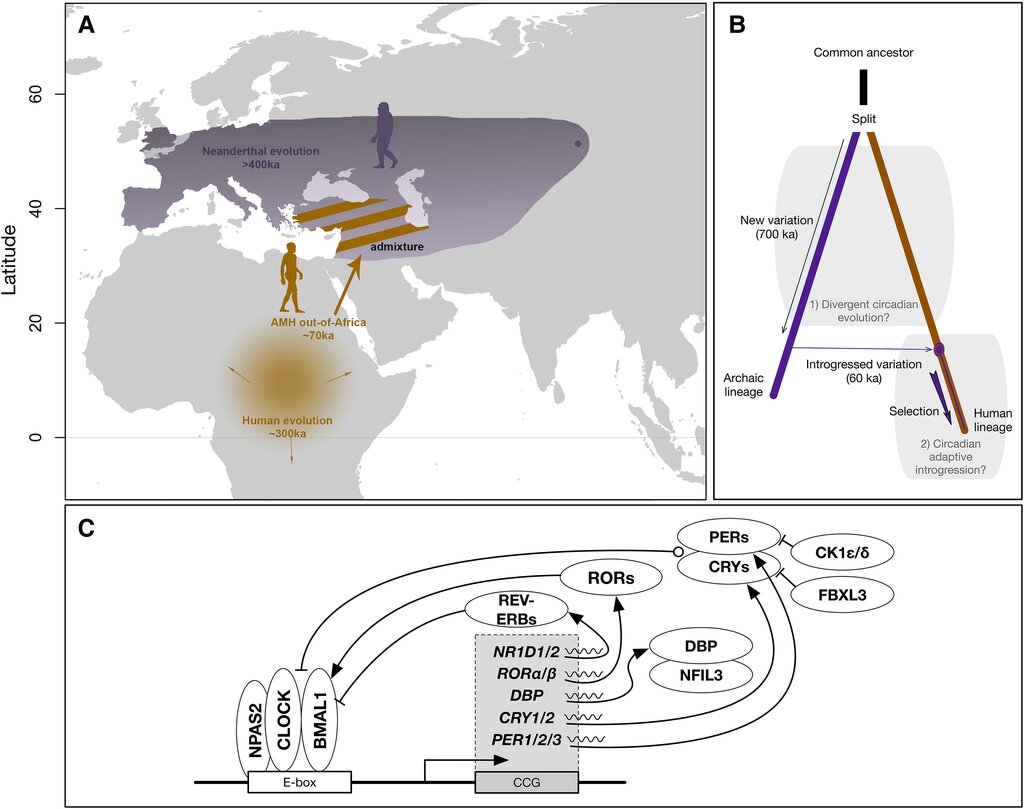
The story is still incomplete. We don't have ancient DNA from the Harbin or Hualongdong fossils yet. Genetic analysis would be the ultimate test of the Homo juluensis hypothesis and could clarify its relationship to another mysterious group, the Denisovans, who are known almost entirely from their DNA. For now, the bones themselves tell a compelling story of a lost branch of the human family.
What is the nickname given to the remarkably well-preserved Harbin cranium, a centerpiece of the Homo juluensis hypothesis?
Which of the following is considered a 'derived' trait of the Harbin cranium, meaning it is more similar to modern humans than to older species?