Homeopathy Explained Benefits and Evidence
Introduction to Homeopathy
A Different Kind of Medicine
Homeopathy is a system of alternative medicine that originated in the late 1700s. It was developed by a German physician named Samuel Hahnemann, who was dissatisfied with the harsh medical practices of his time, like bloodletting and purging. He wanted to find a gentler, more holistic way to help the body heal itself.
homeopathy
noun
A system of complementary and alternative medicine based on the theory that 'like cures like,' in which ailments are treated by minute doses of natural substances that in larger amounts would produce symptoms of the ailment.
At its core, homeopathy operates on a few key principles that set it apart from conventional medicine. The entire system is built on these foundational ideas.
The Principle of Similars
The first and most famous principle is similia similibus curentur, which is Latin for "let like be cured by like." This is often called the "like cures like" principle. The idea is that a substance that causes certain symptoms in a healthy person can be used in a very small dose to treat an illness that has similar symptoms.
For example, chopping an onion can make your eyes water and your nose run. According to the principle of similars, a homeopathic remedy made from red onion (Allium cepa) might be used for someone with hay fever or a cold who has similar symptoms of watery eyes and a runny nose.
Homeopathic practitioners, called homeopaths, believe that these tiny doses stimulate the body's own healing mechanisms to resolve the symptoms.
Dilution and Potentization
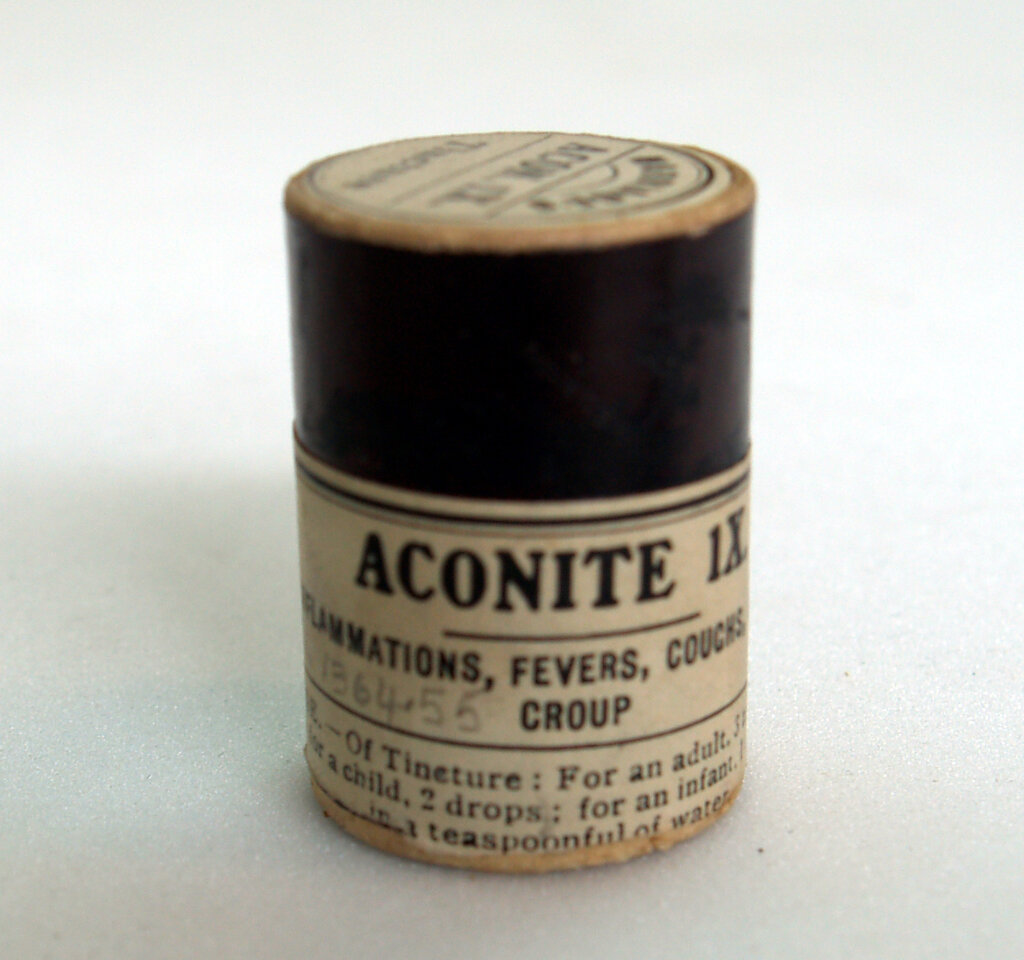
This leads to the second major principle: using the minimum dose. Homeopathic remedies are prepared through a process of serial dilution and vigorous shaking called potentization. Hahnemann believed this process not only reduced the toxic effects of the original substance but also activated its curative energy.
The dilutions are often so extreme that it's unlikely even a single molecule of the original substance remains in the final remedy. The remedies are labeled with their dilution level, such as 6C or 30X.
| Scale | Dilution Ratio | Meaning |
|---|---|---|
| X | 1:10 | The substance has been diluted to one part in ten. |
| C | 1:100 | The substance has been diluted to one part in one hundred. |
| M | 1:1000 | A shorthand for 1000C. |
So, a 6C remedy has been diluted 1 part to 100, six times in a row. A 30C dilution is even more extreme. Homeopaths believe that the more diluted a substance is, the more potent it becomes in stimulating the body's healing response. Historically, homeopathy was intended to treat a wide range of both acute illnesses, like colds and injuries, and chronic conditions, like allergies and arthritis. The focus is always on the individual's specific set of symptoms rather than a one-size-fits-all diagnosis.
Ready to check your understanding of these core concepts?
Who is credited with developing the system of homeopathy in the late 1700s?
The homeopathic principle of 'similia similibus curentur' is best summarized as:
Homeopathy emerged from a desire for a gentler form of medicine, built on the unique principles of 'like cures like' and potentization through extreme dilution.