Homeopathy Essentials
Homeopathy History
A Gentler Approach
Homeopathy is a system of alternative medicine created in the late 18th century. It was born from one physician's frustration with the brutal and often ineffective medical practices of his time. This physician was a German named Samuel Hahnemann, and his quest for a more humane way to heal laid the groundwork for a completely new medical philosophy.
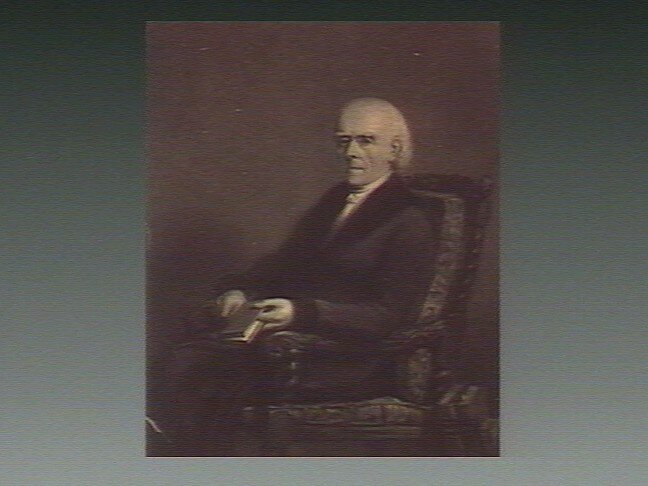
To understand why Hahnemann broke from the medical establishment, we have to look at what "standard care" meant in the 1790s. Medicine was often a violent affair. Doctors relied on harsh treatments like bloodletting, purging with strong laxatives, and administering toxic substances like mercury and arsenic. The guiding theory was that disease resulted from an imbalance of the body's "humors," and these aggressive methods were thought to restore balance by expelling the excess. Unfortunately, these treatments often weakened patients, sometimes hastening their death rather than curing their illness.
Hahnemann's Break
Christian Friedrich Samuel Hahnemann was not a fringe figure. He was a respected physician, a skilled chemist, and a talented linguist, fluent in several languages. His expertise in chemistry gave him a deep understanding of medicinal substances, but his conscience recoiled from the harm he saw being done to patients. Disgusted by the prevailing methods, he temporarily quit his medical practice and began supporting his family by translating medical and scientific texts. It was during this work that he had his breakthrough.
While translating a medical text, he came across a passage about , the source of quinine, used to treat malaria. The text claimed it worked because of its bitterness and astringency. Hahnemann, a sharp chemist, found this explanation simplistic and unconvincing. He decided to investigate for himself. In a pivotal experiment in 1790, he began taking doses of cinchona bark while he was perfectly healthy.
To his surprise, he developed symptoms remarkably similar to those of malaria: fever, chills, and joint pain. The symptoms vanished when he stopped taking the bark. This observation sparked the central idea of his new system.
A New System of Testing
Hahnemann hypothesized that a substance that could produce a set of symptoms in a healthy person might be able to treat those same symptoms in a sick person. This was a radical departure from the thinking of his time. It suggested that medicines worked not by overpowering the body, but by stimulating its own healing response in a specific way. To test this, he began systematically testing various substances on himself and other healthy volunteers. This methodical process, which he called a Prüfung or "proving," involved carefully recording every physical and psychological symptom experienced after taking a substance.
Homeopathy was commonplace in the United States at the end of the 19th century, after dozens of homeopathic medical schools were founded all across the country beginning in the mid-1800s.
These detailed provings became the foundation of the homeopathic materia medica, a comprehensive index of substances and the symptoms they produce. Hahnemann spent the rest of his life refining this system, publishing his foundational text, Organon of the Rational Art of Healing, in 1810. He had set out to find a reliable, gentle, and non-harmful way to practice medicine, and in doing so, created a system that would soon spread across the globe.
Let's review the key historical points before moving on.
Now, check your understanding of this history.
Who is credited with creating the system of homeopathy?
Which of the following was a common medical treatment in the late 18th century that motivated Hahnemann to seek an alternative?
With this historical context in mind, you're ready to explore the core principles that Hahnemann developed from these early experiments.