Homemade Dog Food Essentials
Canine Nutrition Basics
The Building Blocks of a Healthy Diet
Just like humans, dogs need a specific mix of nutrients to thrive. Preparing your dog's food at home means you get to control exactly what goes into their bowl, but it also means you're the one responsible for getting the balance right. A complete and balanced diet for a dog is built on six essential nutrient categories: proteins, fats, carbohydrates, vitamins, minerals, and water. Each one plays a crucial role in your dog's health, from providing energy to supporting their immune system.
Macronutrients: The Big Three
Proteins, fats, and carbohydrates are known as macronutrients. They are the primary sources of energy and provide the raw materials for growth and repair. Getting these right is the foundation of any good diet.
Protein
noun
A macronutrient made up of amino acids, which are essential for building and repairing tissues like muscle, skin, and hair.
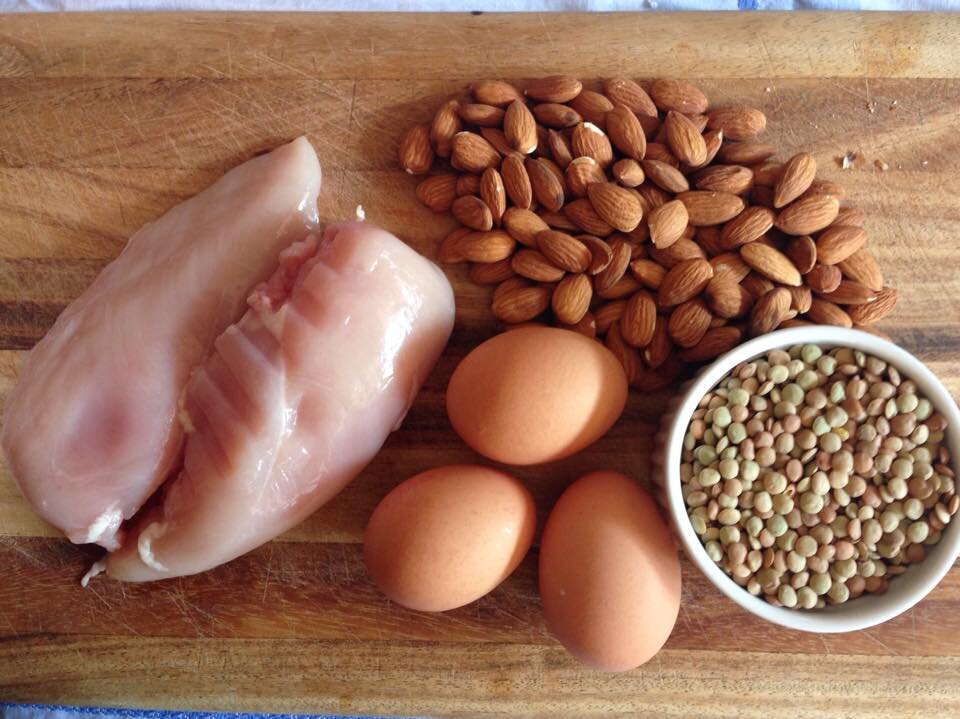
Proteins are the body's main construction crew. They are vital for building strong muscles, healthy skin, and a shiny coat. They also play a key role in producing hormones and enzymes that regulate bodily functions. Dogs can't make all the amino acids they need on their own, so they must get 'essential' amino acids from their food.
Good sources include lean meats like chicken, turkey, and beef, as well as fish and eggs. Plant-based sources like lentils and chickpeas can also contribute, but animal-based proteins are generally easier for dogs to digest and use.
Fats often get a bad reputation, but they are a vital and concentrated source of energy for dogs. They provide more than twice the energy of proteins or carbohydrates. Fats are also necessary for absorbing certain vitamins (A, D, E, and K) and are crucial for maintaining healthy skin and fur. Essential fatty acids, like omega-3 and omega-6, must be included in the diet to support brain function and reduce inflammation.
Healthy fat sources include chicken fat, fish oil (especially from salmon), and flaxseed oil.
Carbohydrates are the main fuel source for your dog's body and brain, providing ready-to-use energy.
Carbohydrates provide energy and can be a good source of fibre, which aids digestion. While dogs don't have a strict requirement for carbohydrates, healthy sources provide glucose for energy and help keep the digestive system running smoothly. It's best to choose complex carbohydrates that release energy slowly.
Good options for dogs include sweet potatoes, brown rice, oats, carrots, and green beans. These not only provide energy but also contain important vitamins and minerals.
Micronutrients and Water
Vitamins and minerals are called micronutrients because they're needed in smaller amounts, but their role is just as important. They are the spark plugs of the body, enabling thousands of chemical reactions that are essential for life. They support everything from bone growth and vision to immune function and energy metabolism.
For example, calcium and phosphorus are critical for strong bones and teeth, while Vitamin A is important for vision and skin health. A varied diet with different meats and vegetables will typically provide a good range of these essential micronutrients.
Last but not least is water. It might seem obvious, but proper hydration is absolutely critical. Water makes up more than half of a dog's body weight and is involved in nearly every bodily process, from digesting food to regulating body temperature. Your dog should have access to fresh, clean water at all times. The moisture content in homemade food can also contribute to their daily intake.
Finding the Right Balance
A dog's nutritional needs aren't one-size-fits-all. The right balance of proteins, fats, and carbohydrates depends on several factors, including their age, breed, size, and activity level.
A growing puppy needs more calories, protein, and certain minerals than an adult dog. A highly active Border Collie who spends hours herding sheep will require more energy from fats and carbohydrates than a senior Basset Hound who prefers napping on the sofa. Similarly, large breeds have different needs than small breeds, particularly as puppies, to ensure their bones develop correctly.
Getting the balance right is crucial for long-term health. Too little protein can lead to a poor coat and weak muscles, while too much fat can lead to obesity and related health problems.
Puppies have higher requirements for just about every essential nutrient (protein, essential fatty acids, vitamins, and minerals) so we want to make sure we give them the right start in life.
When preparing homemade meals, the goal is to combine these six nutrient groups in the right proportions for your individual dog. This ensures they have everything they need to be healthy, energetic, and happy.
Ready to check your understanding? Let's see what you've learned about the fundamentals of canine nutrition.
Which list contains the six essential nutrient categories for a complete and balanced dog's diet?
What is the primary role of protein in a dog's diet?
Understanding these core components is the first step toward creating wholesome, balanced meals for your dog.