Homemade Baby Food Basics
Introduction to Homemade Baby Food
Why Make Your Own Baby Food?
Deciding to make your own baby food can feel like a big step, but the benefits are simple and powerful. When you're in the kitchen, you're in complete control. You choose every single ingredient, ensuring your baby gets fresh, wholesome foods without any added sugars, salts, or preservatives that can sneak into store-bought jars.
This control also means you can introduce your baby to a world of real flavors and textures. An apple purée made from a freshly picked apple tastes different from one that's been on a shelf for months. This variety helps develop a more adventurous palate early on, setting the stage for healthy eating habits later in life.
And let's not forget the cost. A bag of sweet potatoes or a bunch of carrots can produce many more meals than a few pre-packaged containers, making homemade food a budget-friendly option.
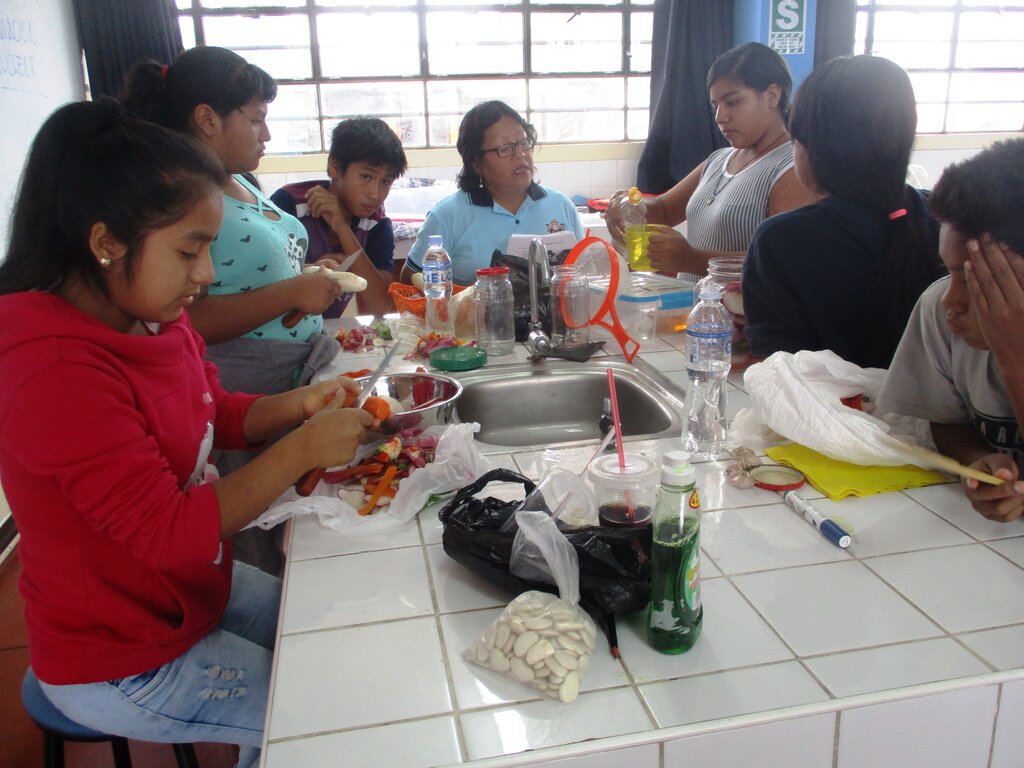
Getting started is simpler than you might think. You don't need a kitchen full of fancy gadgets.
Getting the Right Tools
Most of what you need is probably already in your kitchen. The goal is to cook foods until they are very soft and then turn them into a smooth purée that's easy for a baby to swallow. Here are the essentials:
- Something to blend with: A standard blender, food processor, or even an immersion blender works perfectly. You just need a tool that can break down soft foods into a smooth consistency.
- Something to cook with: A simple steamer basket that fits inside a pot is ideal. Steaming is a great way to cook fruits and vegetables because it helps retain more nutrients compared to boiling.
- Basic kitchen tools: You'll need a good vegetable peeler, a cutting board, and a knife for chopping.
You don't need an all-in-one "baby food maker." While convenient, these devices often do the same job as a simple pot, steamer, and blender.
With your tools ready, the first step is preparing the ingredients.
First Steps in Prep
Before you cook anything, proper prep is key. This ensures the food is safe and easy for your baby to digest. It's a simple, three-step process.
| Step | Action | Why it's important |
|---|---|---|
| 1. Wash | Thoroughly rinse all fruits and vegetables under cool running water. | This removes dirt, pesticides, and bacteria from the surface. |
| 2. Peel | Use a peeler or knife to remove the skin from fruits and vegetables like apples, carrots, and sweet potatoes. | Skins can be difficult for a baby's developing digestive system to handle. |
| 3. Chop | Cut the peeled produce into small, uniform pieces. | Smaller pieces cook faster and more evenly, making them easier to blend into a smooth purée. |
Always start with clean hands and clean surfaces. Once your produce is washed, peeled, and chopped, you're ready for the cooking process.
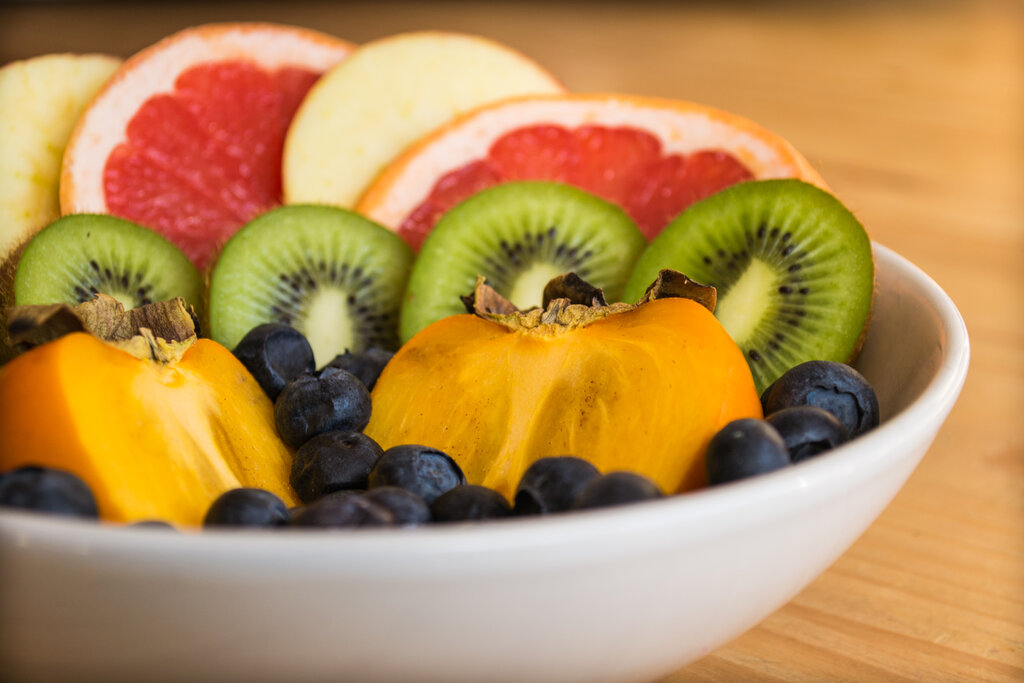
That's all it takes to get started. By choosing fresh ingredients and using simple preparation techniques, you can create delicious and nutritious meals for your baby.