Homegrown Tomatoes Made Easy
Tomato Varieties
Bush or Vine?
Before you even think about color or flavor, the first big decision in choosing a tomato plant is its growth style. Tomatoes come in two main types: determinate and indeterminate. This isn't just a trivial detail; it dictates how the plant will grow, when it will produce fruit, and how much space it will need.
Tomatoes have two types of growth habits: determinate and indeterminate.
Determinate tomatoes are the sprinters of the tomato world. They grow to a fixed, or "determined," size and stop. Think of them as compact bushes. All their flowers appear at the ends of their branches, which means their fruit tends to ripen all at once over a short period, usually a few weeks. This is perfect for gardeners who want a large harvest at one time, perhaps for canning or making a big batch of sauce.
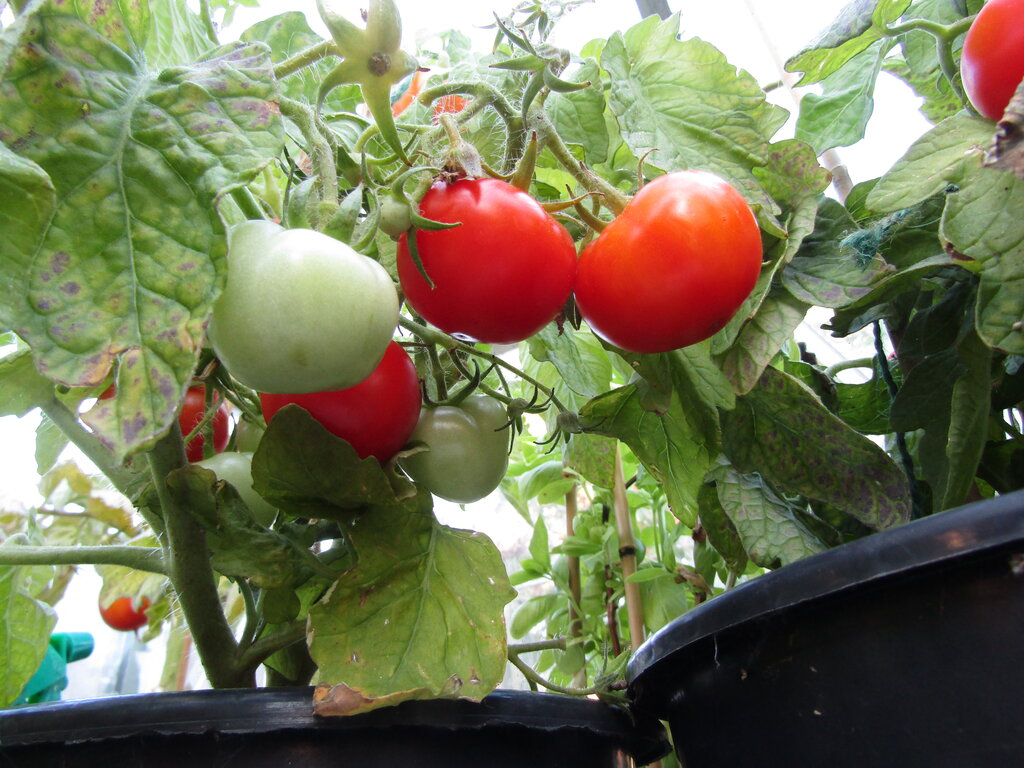
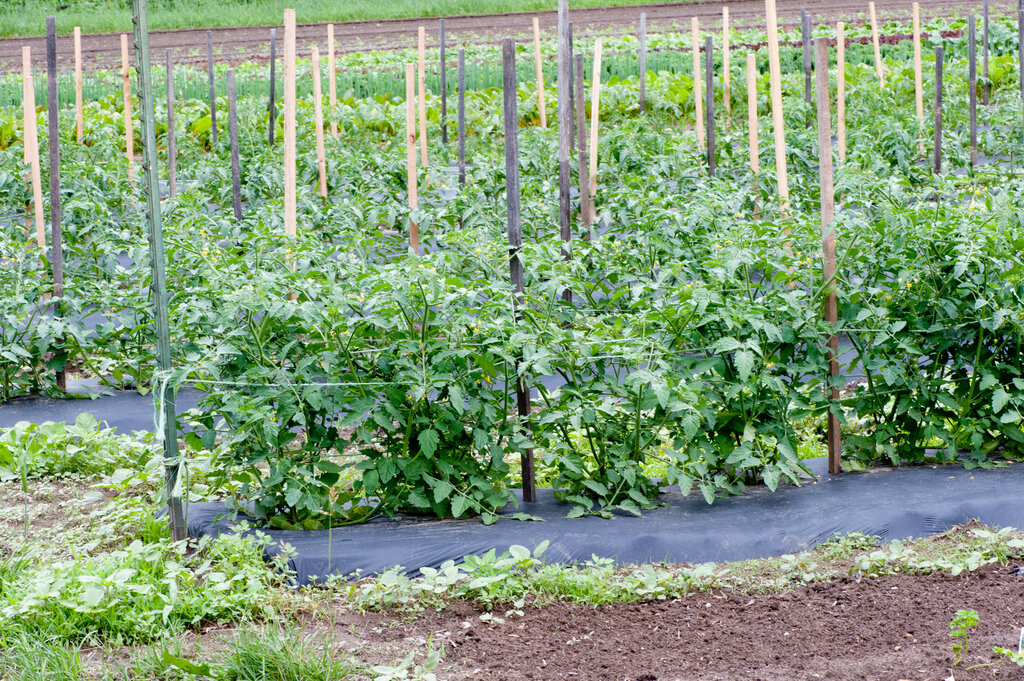
Indeterminate tomatoes are the marathon runners. They grow and produce fruit all season long until the first frost. These plants are vining and can get quite large, often reaching six feet or more. They set fruit along the sides of their stems, so you'll get a steady supply of ripe tomatoes throughout the summer. If you love fresh tomatoes for daily salads and sandwiches, an indeterminate variety might be your best bet.
| Feature | Determinate (Bush) | Indeterminate (Vine) |
|---|---|---|
| Growth | Stops at a certain size | Keeps growing until frost |
| Harvest | All at once (2-3 weeks) | Steady supply all season |
| Size | Compact (2-4 ft) | Large (6+ ft) |
| Support | Cage or small stake | Tall, sturdy stake or trellis |
| Best For | Containers, small gardens, canning | Large gardens, daily eating |
Finding the Right Fit
Your garden space is a major factor. If you're working with a small patio or balcony, a determinate variety is a great choice. Many 'patio' or 'bush' types are specifically bred for containers and don't require much more than a simple cage for support.
Indeterminate varieties need more room to roam. They require tall, strong supports like stakes or trellises to keep their fruit-laden vines off the ground. But if you have the space, they can be incredibly productive.
What's on the Menu?
Think about how you plan to eat your tomatoes. Your culinary goals can help you narrow down the hundreds of varieties available.
Slicing: For sandwiches and burgers, you'll want a large, juicy beefsteak tomato. They are meaty with a classic tomato flavor. Varieties like 'Brandywine', 'Cherokee Purple', and 'Mortgage Lifter' are popular indeterminate choices.
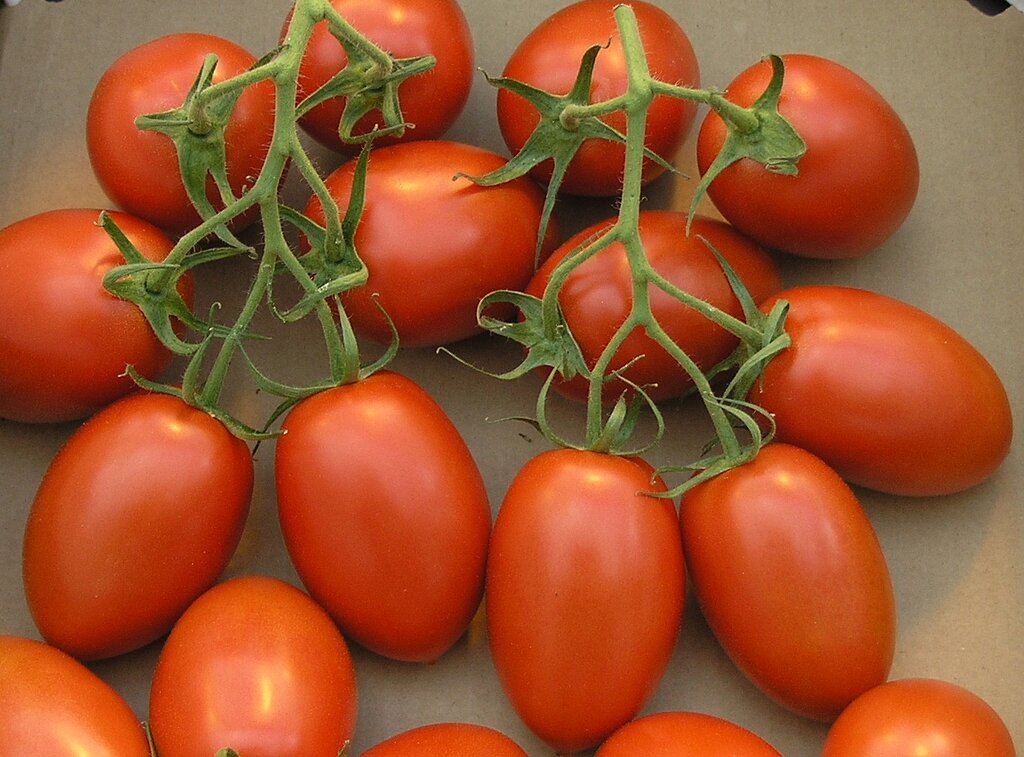
Sauce and Paste: Roma or paste tomatoes are ideal for cooking. They have dense, meaty flesh with fewer seeds and less water content, which means they cook down into a thick, rich sauce. 'San Marzano' and 'Amish Paste' are classic indeterminate options, while 'Roma VF' is a common determinate type.
Salads and Snacking: Cherry and grape tomatoes are perfect for popping in your mouth right off the vine or tossing into salads. They grow in long clusters and are often incredibly sweet. 'Sun Gold' (indeterminate) and 'Tumbling Tom' (determinate) are fan favorites.
Playing Defense
Finally, consider disease resistance. Nothing is more frustrating than watching your carefully tended plants succumb to blight or wilt. Many modern hybrid tomatoes have been bred to resist common diseases.
When you're looking at plant tags or seed packets, you might see a string of letters after the variety name, like 'VFN' or 'TMV'. These are codes for specific disease resistances.
Common disease resistance codes include: V (Verticillium Wilt), F (Fusarium Wilt), N (Nematodes), T (Tobacco Mosaic Virus), and A (Alternaria Stem Canker).
Choosing a resistant variety doesn't guarantee a disease-free season, but it gives your plants a significant head start. It's an easy way to set yourself up for a more successful and less stressful gardening experience.
Ready to test your knowledge? Let's see what you've learned about choosing the right tomato.
A gardener wants a steady supply of tomatoes for salads throughout the entire summer. Which type of tomato plant is the best choice for this purpose?
Which of the following best describes the growth habit of a determinate tomato plant?
Now that you know how to select the perfect tomato plant for your space and needs, you're ready to get planting.