Home Winemaking Essentials
Introduction to Winemaking
The Magic of Fermentation
At its heart, winemaking is a partnership with tiny, single-celled organisms. For thousands of years, humans have relied on yeast to transform simple grape juice into the complex and celebrated beverage we know as wine. This transformation is called fermentation.
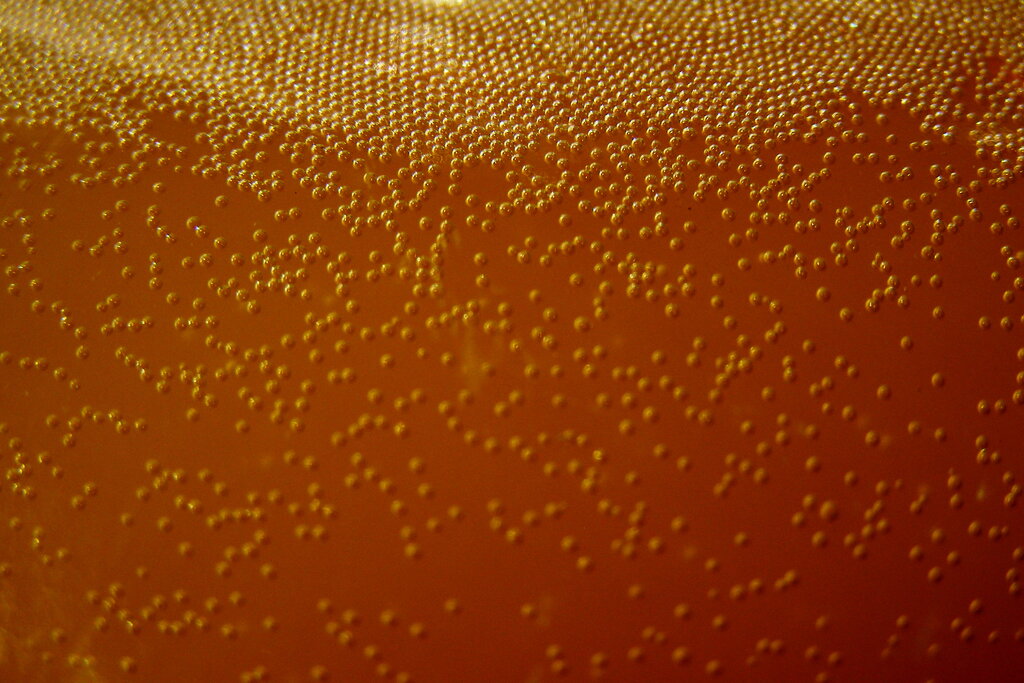
Yeast is a microorganism that lives all around us, including on the skins of grapes. When grapes are crushed, the yeast gets access to the natural sugars inside the juice. It consumes these sugars for energy and, in the process, releases two important byproducts: ethanol (alcohol) and carbon dioxide gas. That's the basic science in a nutshell. The fizz you see in a fermenting container is the CO₂ escaping.
This process isn't just about creating alcohol. It also generates heat and unlocks a vast range of flavor and aroma compounds that were dormant in the grape juice. These compounds are what give a finished wine its unique character, from fruity and floral notes to earthy and spicy ones.
A Spectrum of Styles
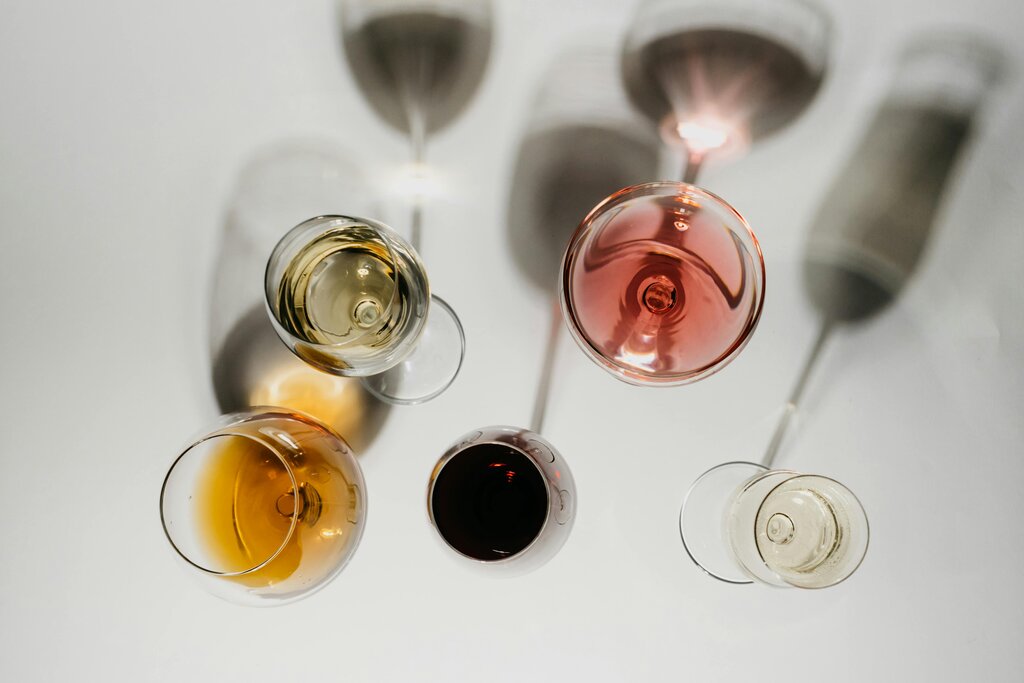
The beautiful array of wines on a store shelf might seem complicated, but most fall into a few main categories. The key difference between them often comes down to one thing: how long the grape skins are involved in the process.
| Wine Type | Grape Type | Skin Contact During Fermentation |
|---|---|---|
| Red Wine | Black/Red Grapes | Yes, for the entire fermentation |
| Rosé Wine | Black/Red Grapes | Yes, but for a very short time (hours to a day) |
| White Wine | White/Green Grapes | No, skins are removed before fermentation |
| White Wine (from red grapes) | Black/Red Grapes | No, skins are removed before fermentation |
Red wines get their color, tannins (that dry, puckering sensation), and much of their robust flavor from fermenting with the skins, seeds, and sometimes even stems of dark-skinned grapes. The longer the contact, the deeper the color and the more intense the flavors.
White wines are typically made from green-skinned grapes. The grapes are pressed, and the juice is immediately separated from the skins before fermentation begins. This results in a lighter-colored wine without the tannins found in reds. It's also possible to make white wine from dark-skinned grapes if you remove the skins right after crushing, since the juice itself is clear.
Rosé wines are the beautiful middle ground. They are made from dark-skinned grapes, but the juice only stays in contact with the skins for a short period, from a few hours to a day. This brief romance is just long enough to impart a lovely pink or salmon hue and a hint of red-fruit character without extracting heavy tannins.
And what about the bubbles?
Sparkling wines start their life as still wines (red, white, or rosé). They then undergo a second fermentation. This time, the CO₂ that’s produced is trapped inside a sealed container, like a bottle or a large tank. The trapped gas dissolves into the wine, creating the carbonation that is released as bubbles when you pop the cork.
Your Winemaking Journey
Making wine at home can seem daunting, but it follows the same fundamental principles that have been used for centuries. You don't need a sprawling vineyard or a fancy cellar to get started. The core of the craft is guiding the natural process of fermentation.
The basics are the same: get the right balance of flavor, sugar, and acid, add some yeast, and away you go.
The goal for a beginning home winemaker is to create a clean, stable environment where yeast can do its best work. This means starting with good quality fruit or juice, ensuring your equipment is thoroughly sanitized, and monitoring the fermentation as it progresses. From there, you can explore the endless variables that make each bottle of wine unique.
What is the primary function of yeast in winemaking?
The main factor determining the difference between red and white wine production is the...
With these fundamentals in mind, you're ready to take the next step.