Home Vermouth Production and Business Basics
Introduction to Vermouth
The Story of Vermouth
Before it was a key ingredient in Martinis and Manhattans, vermouth was enjoyed on its own, often as a medicinal tonic or a pre-dinner drink. At its core, vermouth is a wine, but with a few important twists that give it a world of flavor.
Vermouth is an aromatized, fortified wine.
Let's break that down. "Fortified" means a neutral spirit, usually grape brandy, has been added to increase the alcohol content. This also helps preserve the wine. "Aromatized" means it has been infused with a blend of botanicals—herbs, spices, roots, and barks. The one key ingredient that historically defined vermouth is wormwood, which gets its name from the German word wermut.
The modern story of vermouth begins in 1786 in Turin, Italy. A distiller named Antonio Benedetto Carpano created a new beverage by infusing Moscato wine with a secret blend of over 30 herbs and spices. It was an instant hit, especially with the royal court, and its popularity as a sophisticated aperitif spread quickly.
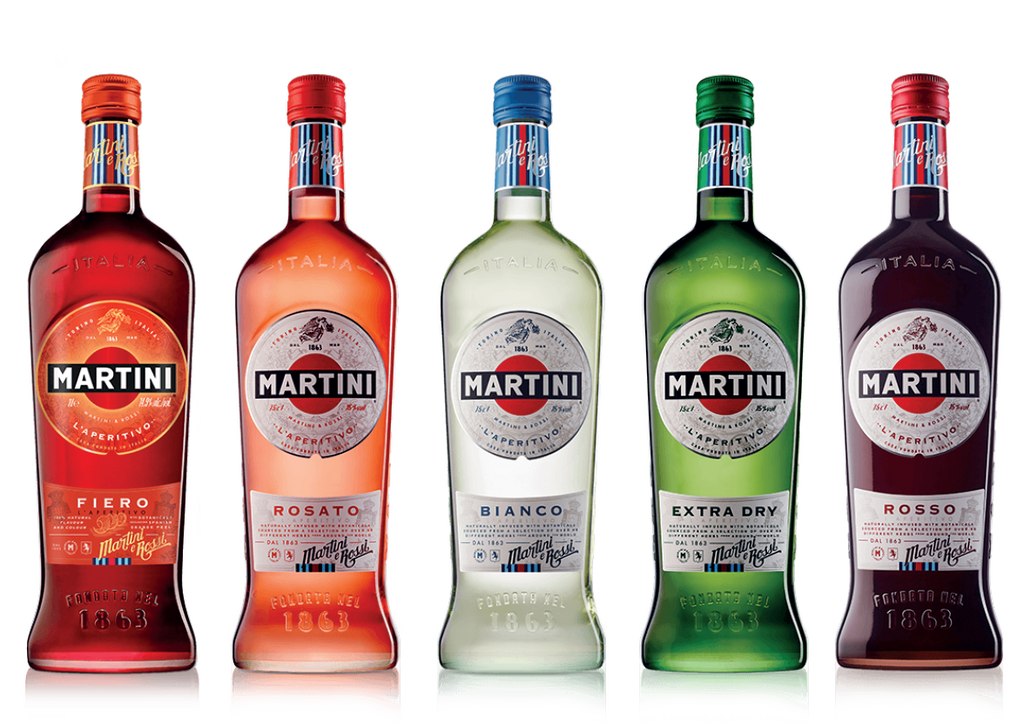
As cocktail culture blossomed in the late 19th and early 20th centuries, bartenders discovered vermouth's potential. Its complex, botanical flavors could balance the sharp notes of spirits like gin and whiskey, adding depth and character to mixed drinks.
Styles of Vermouth
Vermouth isn't a one-size-fits-all ingredient. It comes in several styles, each with a unique flavor profile. The main distinction is between sweet and dry.
Sweet Vermouth is also known as Italian or red (rosso) vermouth. It's rich, spiced, and has a hint of bitterness. This is the style Carpano first created, and it's the backbone of cocktails like the Negroni and the Manhattan.
Dry Vermouth, or French vermouth, is crisp, floral, and herbaceous. It contains much less sugar than its sweet counterpart. If you've ever had a classic Martini, you've had dry vermouth. There's also an Extra-Dry version, which is even less sweet.
Finally, there's Bianco or Blanc vermouth. This is a white vermouth that is typically sweeter than dry vermouth but not as rich or spiced as sweet red vermouth. It often has notes of vanilla, citrus, and flowers.
| Style | Color | Flavor Profile | Classic Cocktails |
|---|---|---|---|
| Sweet (Rosso) | Red / Amber | Rich, spiced, bittersweet | Manhattan, Negroni |
| Dry | Pale / Straw | Crisp, floral, herbaceous | Martini, Vesper |
| Bianco (Blanc) | Clear / Pale | Sweet, vanilla, citrus | Often served on its own |
The Wine Base
Every bottle of vermouth starts its life as wine. The quality of this base wine is crucial, as it provides the canvas for all the botanical flavors. Winemakers typically choose neutral, low-acid white grape varieties that won't overpower the delicate infusions.
Some of the most common grapes used in vermouth production include:
- Trebbiano: Widely planted in Italy and France (where it's known as Ugni Blanc), it produces a light, crisp wine that is a perfect neutral base.
- Clairette blanche & Piquepoul: Two grapes from the south of France, known for making crisp, full-bodied white wines.
- Catarratto: A common grape from Sicily, providing a simple, neutral base for many Italian vermouths.
- Bianchetta Trevigiana: A lesser-known Italian grape that contributes to the base of some proseccos and vermouths.
While the botanicals are the star of the show, the underlying wine provides the structure and soul of the vermouth. A well-made base wine results in a smoother, more balanced final product.
Pro Tip: Always store your opened vermouth in the refrigerator to preserve its freshness and extend its life.
Let's review some of the key terms we've covered.
Ready to test your knowledge?
What does it mean for vermouth to be an “aromatized” wine?
The name 'vermouth' is derived from the German word wermut, which is the name for what key botanical?
Now you know the essentials of this versatile fortified wine, from its origins as an Italian aperitif to its role as a key player in the world of cocktails.