Home Sauna Benefits and Setup
Introduction to Home Saunas
A Tradition of Heat
The idea of sitting in a hot room to relax and sweat is thousands of years old. While many cultures have their own versions, the modern sauna is deeply rooted in Finnish tradition. For centuries, Finns have used saunas for bathing, socializing, and even childbirth. The original versions were smoke saunas, or savusaunas, which were simple structures heated by a large wood-burning stove without a chimney. The smoke would fill the room and then be vented out before people entered.
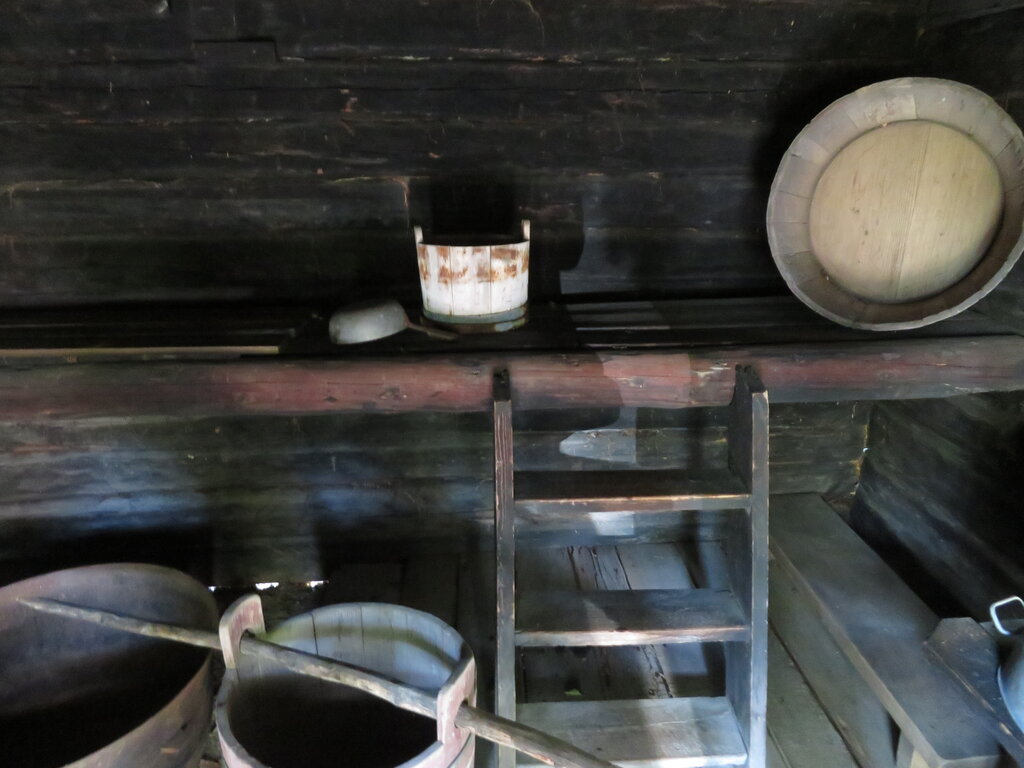
This practice wasn't unique to Northern Europe. Ancient Romans had their own elaborate system of heated rooms in public bathhouses. Their hypocaust system circulated hot air under the floor and behind the walls, creating a warm, steamy environment for bathing and socializing.
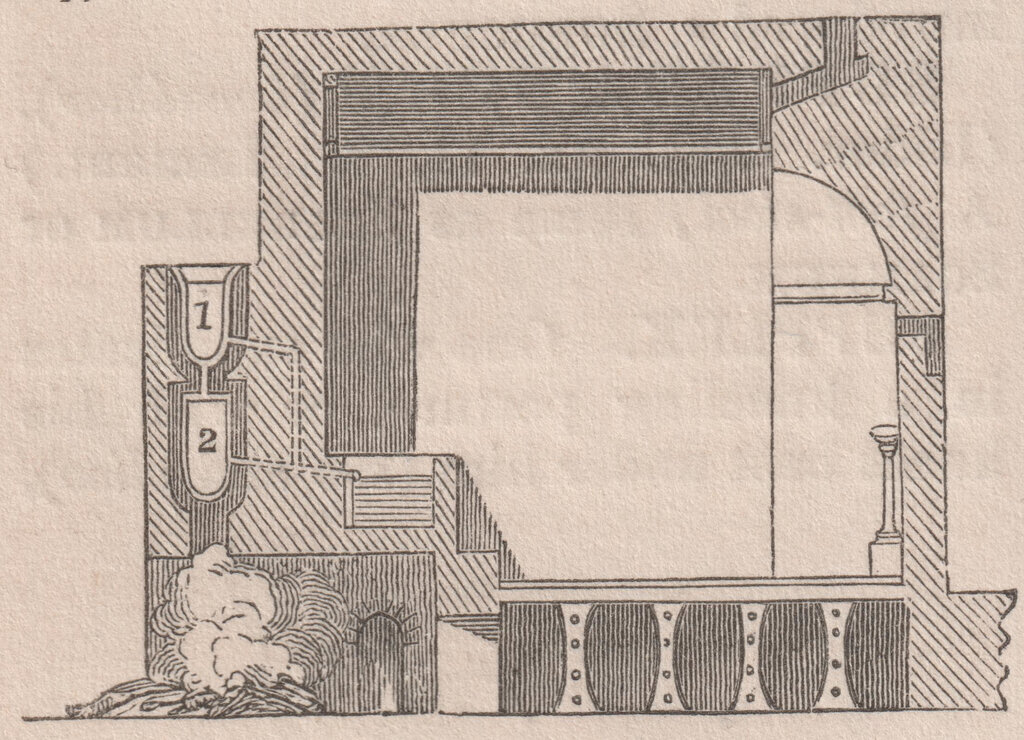
From these ancient origins, the concept has evolved into the various types of saunas we can bring into our own homes today. While the technology has changed, the core purpose remains the same: to create a space of warmth and relaxation.
Types of Home Saunas
When people talk about a home sauna, they're usually referring to one of three types: traditional, infrared, or a steam room. Each offers a different kind of heat experience.
A Traditional Finnish Sauna heats the air in the room. An electric or wood-burning heater warms a pile of rocks. Once the rocks are hot, you can ladle water onto them to produce a burst of steam called löyly. This temporarily increases the humidity, making the heat feel more intense. Temperatures typically range from 150-195°F (65-90°C) with low humidity, unless you're actively making steam.
An Infrared Sauna works differently. Instead of heating the air, it uses infrared heaters to emit light waves that warm your body directly. Because it heats you from the inside out, the surrounding air temperature can be much lower, usually between 120-140°F (49-60°C). This can be a more comfortable option for people who find the high heat of traditional saunas overwhelming.
A Steam Room, sometimes called a steam shower, is all about wet heat. A device called a steam generator boils water and pumps the vapor into an airtight room. The goal is to reach nearly 100% humidity. Because of the intense moisture, the temperature is lower than a traditional sauna, around 110-120°F (43-49°C).
| Feature | Traditional Sauna | Infrared Sauna | Steam Room |
|---|---|---|---|
| Temperature | 150-195°F (65-90°C) | 120-140°F (49-60°C) | 110-120°F (43-49°C) |
| Humidity | Low (10-20%), with bursts of steam | Very Low | High (near 100%) |
| Heat Source | Electric or wood heater warms rocks | Infrared heaters warm the body | Steam generator fills room with vapor |
| Experience | Intense, dry heat with optional steam | Gentle, radiant heat | Moist, enveloping heat |
How They Work
Regardless of the type, all home saunas share a few basic components that work together to create a controlled, heated environment.
The right materials are key. They need to handle high temperatures and, in the case of steam rooms, constant moisture.
The room itself is the most obvious part. Traditional and infrared saunas are typically built from softwoods like cedar, hemlock, or spruce. Wood is a poor conductor of heat, so it doesn't get dangerously hot to the touch and it helps insulate the space. Steam rooms, on the other hand, must be constructed from waterproof materials like tile, glass, or acrylic to handle the constant high humidity.
The heart of any sauna is its heater. In a traditional sauna, this is the stove (called a kiuas in Finnish) that holds the rocks. For infrared saunas, the "heaters" are panels, often made with carbon or ceramic elements, that are strategically placed on the walls to surround the user with radiant warmth. A steam room relies on a steam generator located outside the room, which boils water and pipes the steam in through a nozzle.
Finally, controls and ventilation ensure a safe and pleasant experience. A thermostat regulates the temperature, and a timer can be set for the duration of the session. Vents allow fresh air to circulate, preventing the room from feeling stuffy and helping it dry out after use.
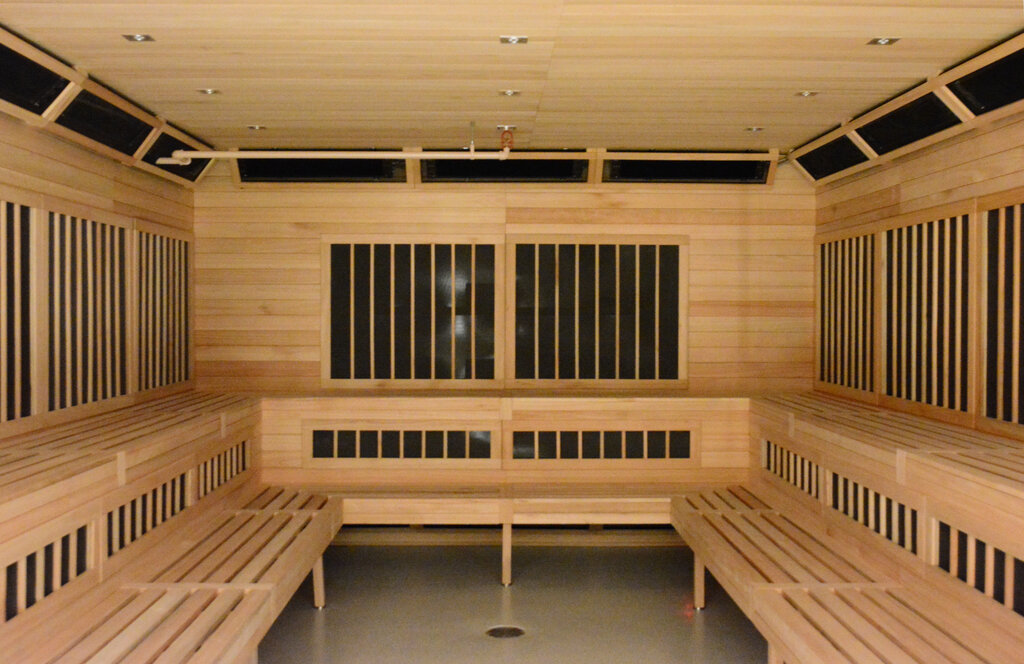
Now you have a good grasp of what a home sauna is, where the tradition comes from, and the different options available. Each type offers a unique way to enjoy the simple pleasure of heat.
Ready to test your knowledge?
What is the primary method an Infrared Sauna uses to generate heat?
A person wants a home sauna experience with high humidity and "wet heat," but at a lower temperature than a traditional sauna. Which type should they choose?