Home Repair Essentials
Essential Tools and Safety
Your Basic Toolkit
You don't need a professional workshop to handle most common home repairs. A small collection of versatile hand tools can tackle everything from hanging a picture to tightening a leaky faucet. Think of these as the foundation of your home maintenance arsenal.
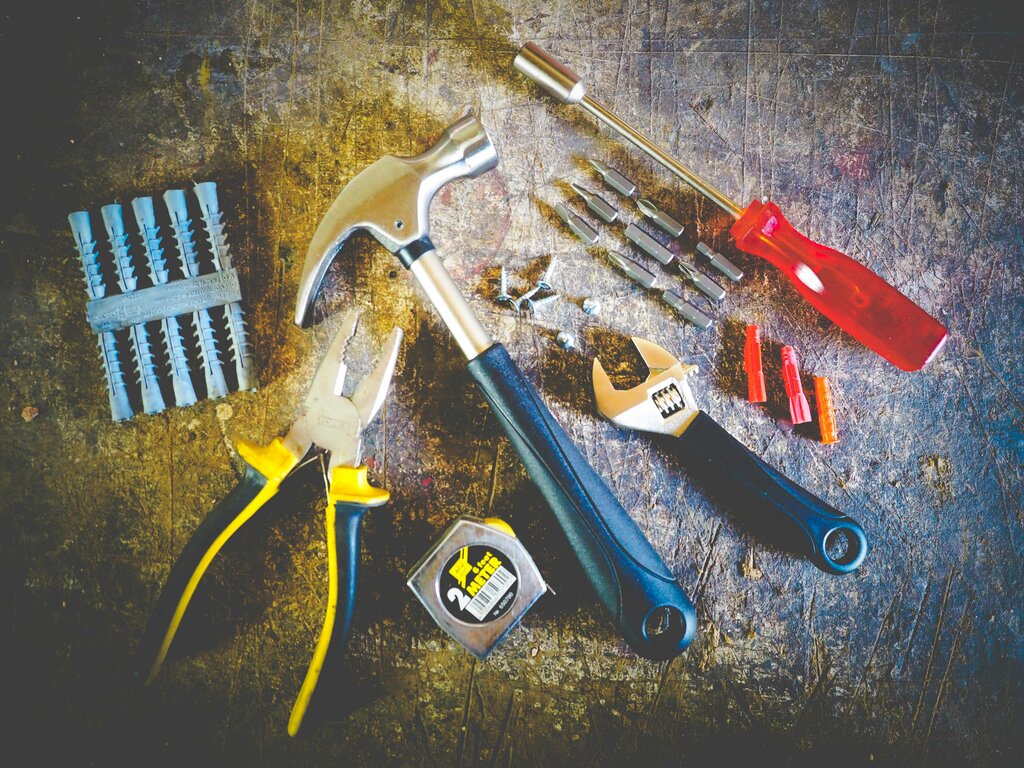
Let's start with the essentials you'll reach for again and again.
Hammers: The most common type is the claw hammer. One side drives nails in, and the claw on the other provides leverage to pull them out. It's simple, effective, and indispensable.
Screwdrivers: You'll primarily encounter two types of screws: Phillips (with a cross-shaped slot) and flathead (with a single slot). A multi-bit screwdriver, which comes with interchangeable tips, is a fantastic space-saver and ensures you always have the right size and type on hand.
Pliers: These are your go-to for gripping, turning, and holding things. Slip-joint pliers have an adjustable pivot for grasping objects of different sizes. Needle-nose pliers are perfect for reaching into tight spaces or handling small wires and components.
| Tool | Primary Use |
|---|---|
| Claw Hammer | Driving and removing nails |
| Multi-bit Screwdriver | Tightening and loosening various screws |
| Pliers | Gripping, turning, and holding objects |
A Little More Power
For bigger jobs, power tools save a massive amount of time and effort. They aren't intimidating once you understand what they do. They simply accomplish the same tasks as hand tools, but much faster.
The most versatile power tool you can own is a cordless drill. With different bits, it can drill holes in wood, drywall, and metal, or it can drive screws in seconds. It's the workhorse of any DIY project.
When it comes to cutting, a simple hand saw is great for small jobs. For bigger, straighter cuts in wood, a circular saw is a common step up. It makes quick work of building shelves or trimming lumber. Always be sure you understand how to use any saw safely before you begin.
Power tools amplify your effort, but they also demand your full attention and respect.
Safety First, Always
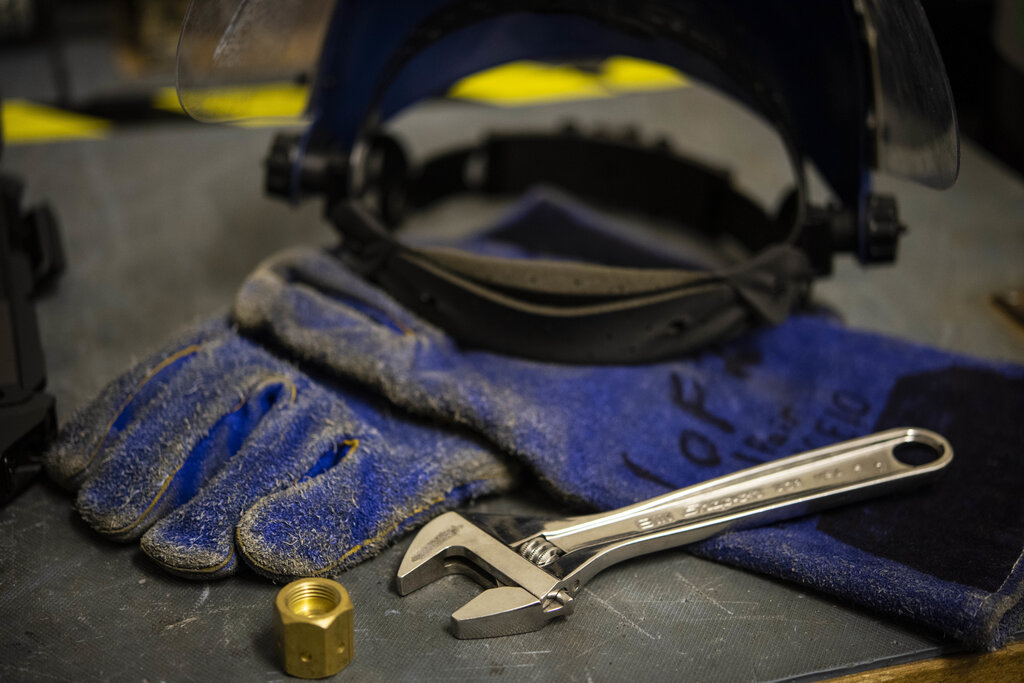
Using tools, whether by hand or powered, comes with risks. Protecting yourself is not optional; it's the most important part of any repair. This is where Personal Protective Equipment, or PPE, comes in.
Personal protective equipment is your first line of defense against common hazards in carpentry.
For most home projects, you should have a few key items:
- Eye Protection: Safety glasses or goggles are non-negotiable. They shield your eyes from flying debris, sawdust, and splashes. Keep them on from the moment you start until the moment you're done cleaning up.
- Gloves: A good pair of work gloves protects your hands from cuts, scrapes, and splinters. They also improve your grip.
- Dust Mask: When sawing, sanding, or doing anything that creates dust, a dust mask keeps you from breathing in harmful particles.
Tool Care and Storage
Taking care of your tools makes them safer to use and helps them last a lifetime. A little maintenance goes a long way.
After each use, wipe your tools clean of dirt and debris. This prevents rust and keeps moving parts from getting gummed up. Regularly check for any signs of damage, like cracked handles or dull blades. A damaged tool is an unsafe tool and should be repaired or replaced.
Proper storage is just as important. Keeping your tools in a designated toolbox or on a pegboard does more than just keep your workspace tidy. It protects them from moisture and damage, and it means you'll always know where to find the right tool for the job. An organized toolkit is the sign of a smart and safe DIYer.
Now, let's test what you've learned about these essential tools and safety practices.
What are the two primary functions of a claw hammer?
You need to work with some small wires in a tight space inside an appliance. Which type of pliers would be most suitable for this job?
With the right basic tools and a commitment to safety, you're well-equipped to start tackling repairs around your home.