Home Printer Mechanics and Troubleshooting
Printer Types
Inkjet Printers
Inkjet printers are the most common type found in homes. They work by spraying microscopic droplets of ink onto paper. Inside the printer, a print head containing thousands of tiny nozzles zips back and forth across the page, precisely shooting ink to create text and images.
There are two main ways this happens. The thermal bubble method heats the ink to create a bubble, which expands and forces a droplet out of the nozzle. The piezoelectric method uses a crystal that changes shape when an electric current is applied, squeezing the ink out. Either way, the result is the same: a detailed image formed from countless tiny dots.
Because they blend colors smoothly, inkjet printers excel at printing high-quality color images, especially photographs. This makes them ideal for creative projects, school reports with graphics, and everyday color printing. Their main drawback is the cost of ink cartridges, which can be expensive to replace.
Laser Printers
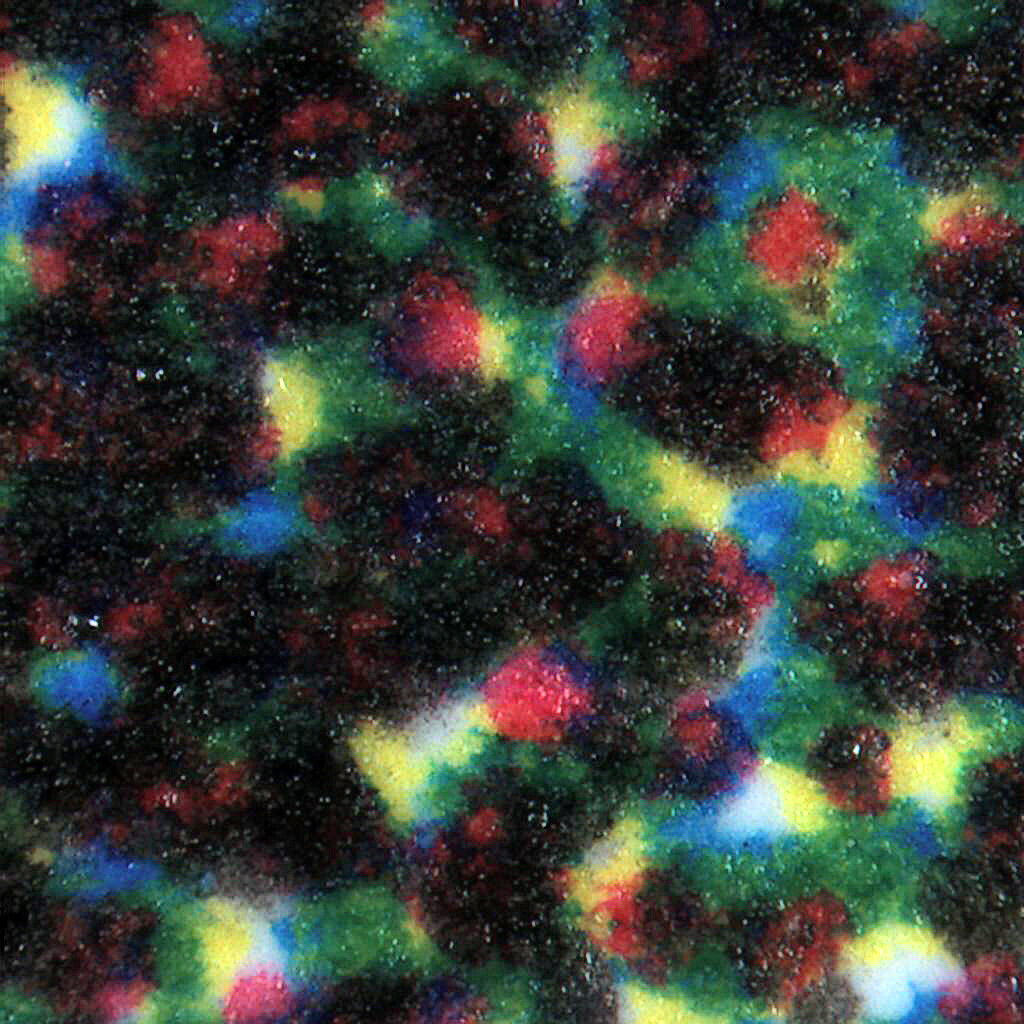
Laser printers work on a completely different principle: static electricity. Instead of wet ink, they use a fine powder called toner. The process begins with a laser beam drawing a page's image onto a rotating, light-sensitive drum, creating a pattern of static electricity.
This charged pattern attracts the toner powder. As the paper passes by the drum, the toner is transferred to it. Finally, the paper goes through a fuser, a pair of hot rollers that melts the toner and fuses it permanently to the page. It's a bit like how a sock fresh out of the dryer can stick to you because of static.
This technology makes laser printers incredibly fast and efficient, especially for text-heavy documents. The cost per page is often much lower than for an inkjet because toner cartridges can print thousands of pages. They are the workhorses of most offices. While color laser printers exist, they are generally more expensive and less adept at printing high-resolution photos compared to their inkjet counterparts.
Dot Matrix Printers
Though less common in homes today, dot matrix printers are still used in some business settings. These are a type of impact printer, which means they physically strike the paper to create an image.
A print head, filled with tiny pins, moves across the page. These pins strike an ink-soaked ribbon, pressing it against the paper to create a pattern of dots. These dots combine to form letters and simple graphics. It’s the same basic idea as a typewriter, but using dots instead of fully formed characters.
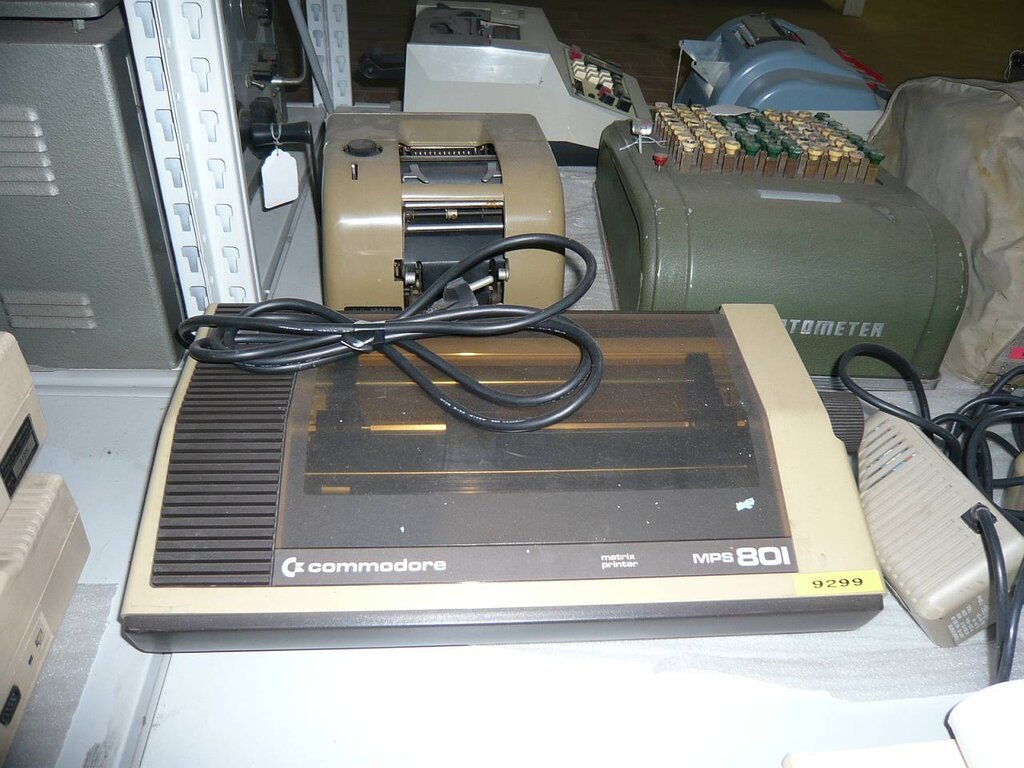
The main advantage of dot matrix printers is their ability to print on multi-part forms, like carbonless copy paper, since the physical impact transfers through multiple layers. They are also durable and have very low running costs. However, they are slow, noisy, and produce low-resolution output, which is why they have been largely replaced by inkjet and laser printers for general home and office use.
Now, let's test your knowledge on these printer types.
Which type of printer is best suited for printing on multi-part forms, like carbonless copy paper?
What is the primary material a laser printer uses to create an image?
Each printer type has its own strengths, whether it's the vibrant color of an inkjet, the speed of a laser, or the rugged utility of a dot matrix.