Home Network Security Testing
Network Security Basics
Your Digital Front Door
Network security is about protecting your digital space. Think of your home network as your house. It has doors and windows—the Wi-Fi signal, the router, and every device connected to it. Network security is the practice of locking those doors and windows to keep intruders out.
The goal is to control who and what gets onto your network, protecting the devices and data inside.
Common Threats Lurking Outside
Your home network is connected to the internet, which means it's exposed to potential threats. Understanding what they are is the first step to defending against them.
Malware
noun
Malicious software designed to disrupt, damage, or gain unauthorized access to a computer system. This includes viruses, spyware, and ransomware.
Another major threat is unauthorized access. This is when someone gets onto your network without permission. They might guess a weak Wi-Fi password or exploit a vulnerability in your router. Once inside, they could spy on your activity, steal data, or use your internet connection for illegal activities.
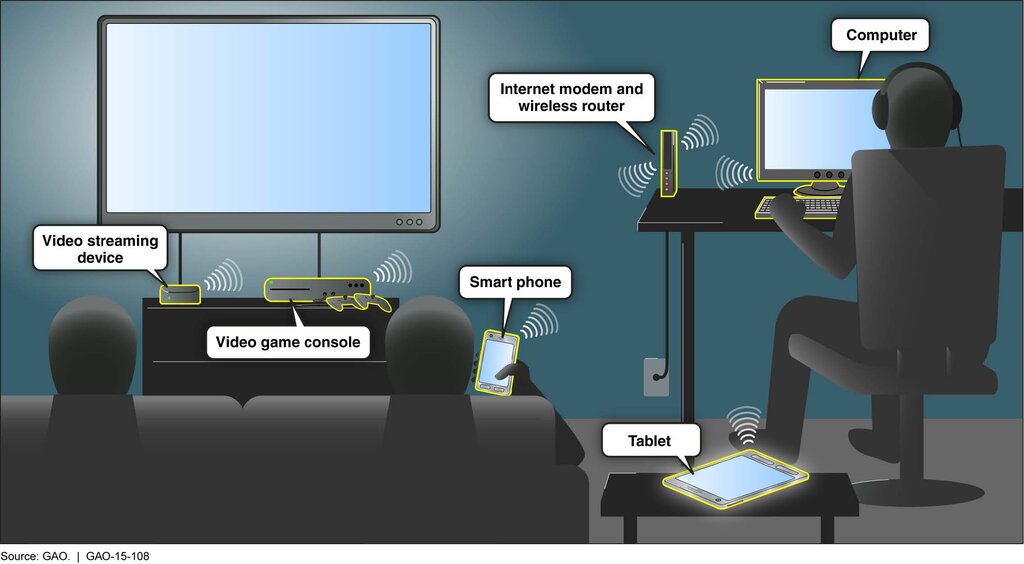
Finally, phishing attacks and data breaches are constant risks. Phishing involves tricking you into giving up sensitive information, like passwords or credit card numbers, often through fake emails or websites. A data breach happens when your personal information is stolen from a company you trust, and criminals might use that information to try and access your accounts or home network.
Why It Matters
Securing your home network is about more than just technology; it's about protecting your life. Your network holds the keys to your financial data, private conversations, personal photos, and work documents. A breach could lead to identity theft, financial loss, or a serious invasion of privacy.
Furthermore, a compromised device on your network could be used as part of a larger attack on other systems. Hackers can create networks of infected computers, called botnets, to launch widespread attacks. Securing your network helps protect not only you but also the wider internet community.
Securing your home network is not as difficult as it may seem.
Let's review these fundamental concepts.
Ready to test your knowledge?
What is the primary goal of home network security?
An email that appears to be from your bank asks you to click a link and verify your account details on a fraudulent website. What is this type of attack called?
With these basics in mind, you're ready to start taking steps to make your own network more secure.