Home Network Security Testing
Network Security Basics
Your Digital Front Door
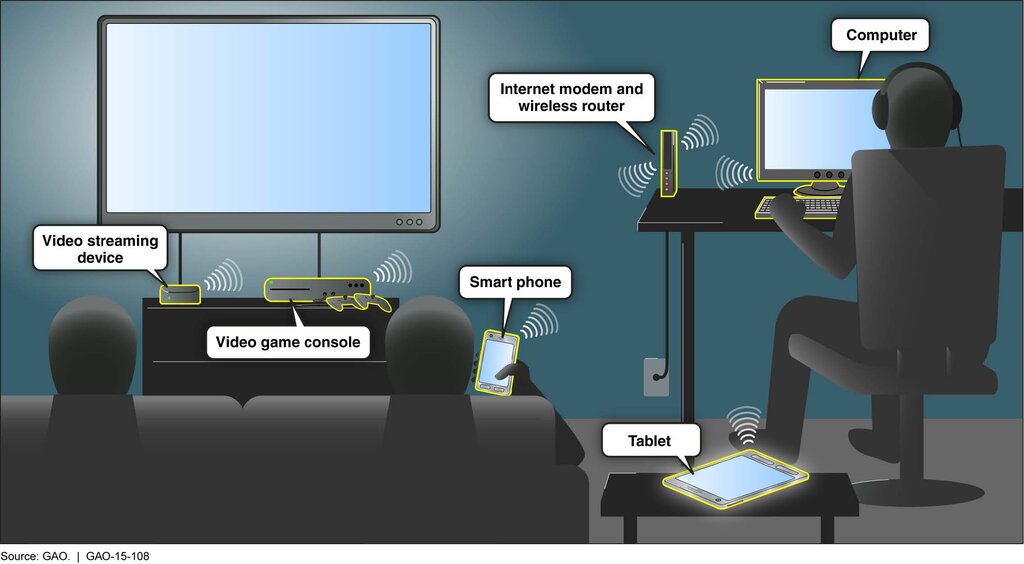
Think of your home network as your digital house. It’s where your computers, phones, smart TVs, and even refrigerators live and talk to each other. Network security is simply the practice of locking the doors and windows of this digital house to keep intruders out.
Every connected device is a potential entry point. Securing your network protects your personal information, from bank details to private photos, from falling into the wrong hands. It also prevents outsiders from using your internet for illegal activities, which could lead back to you.
Common Threats
Knowing what you're up against is the first step to staying safe. Most threats to home networks fall into a few common categories.
Malware
noun
Short for malicious software, this is any software intentionally designed to cause damage to a computer, server, client, or computer network.
Malware can be snuck onto your devices through deceptive emails, unsafe websites, or even infected USB drives. Once inside, it can steal your passwords, encrypt your files and demand a ransom, or secretly use your computer to attack others.
Another major threat is unauthorized access. This is when someone gets onto your Wi-Fi network without your permission. It might be a neighbor trying to get free internet, or it could be someone with more sinister motives. Once on your network, they can potentially snoop on your activity, access shared files on your computers, and launch attacks against your devices.
An unsecured Wi-Fi network is like leaving your front door wide open. Anyone passing by can walk right in.
Your Digital Guards
Luckily, you have powerful tools to protect your network. The two most fundamental are firewalls and encryption.
A firewall acts as a security guard between your home network and the internet. It monitors all incoming and outgoing traffic, blocking anything that looks suspicious based on a set of security rules. Your Wi-Fi router has a built-in firewall, and your computer's operating system (like Windows or macOS) has one too. These are your first line of defense.
While a firewall blocks unwanted visitors, encryption scrambles your data so that even if someone intercepts it, they can't read it. Think of it like writing a letter in a secret code that only you and the recipient know how to decipher.
When you see a padlock icon in your web browser's address bar, it means your connection to that website is encrypted. This is crucial for activities like online banking or shopping.
Your Wi-Fi network itself should also be encrypted. This is a setting in your router, typically using a standard like WPA2 or WPA3. When your Wi-Fi is encrypted, anyone who wants to connect must have the password, and all the data sent over the air between your devices and the router is scrambled.
With a firewall standing guard and encryption keeping your data secret, you’ve established the foundation of a secure home network.