Home Network Security Testing
Understanding Home Network Security
Your Digital Front Door
Your home network is like the digital front door to your life. It connects your laptops, phones, smart TVs, and even your refrigerator to the internet. Just like you lock your physical front door, it's crucial to secure this digital one. An unprotected network can expose your personal information, financial data, and private conversations to anyone who wants to snoop.
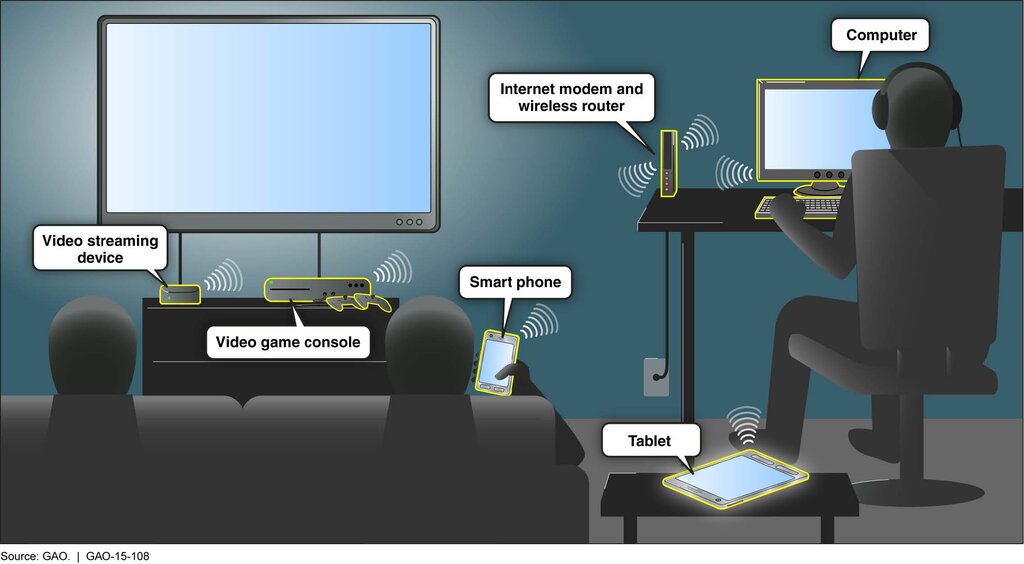
The good news is that securing your home network doesn't require a degree in computer science. It starts with understanding the most common ways it can be left vulnerable.
Common Weak Spots
Most security issues come down to a few common weak spots. The first is your router, the main hub of your network. Routers, like any computer, have software that needs to be updated. This software is called firmware.
Outdated firmware is one of the most overlooked yet critical vulnerabilities in home networks. Manufacturers release updates to patch security holes that hackers have discovered. If you don't install them, you're leaving a known vulnerability open.
Another major weakness is passwords. Many people use the default password that came with their router or create simple ones that are easy to guess. A weak password on your Wi-Fi is like leaving the key to your house under the doormat.
| Weak Passwords | Strong Passwords |
|---|---|
password123 | B@tteryH0rse$taple |
admin | c@rrect-gr@vy-JUMP |
12345678 | 8*zebra-fl!p-L!ght |
Finally, the explosion of smart devices, also known as the Internet of Things (IoT), has created new entry points for attackers. Your smart thermostat, security camera, or voice assistant is another computer on your network. Unfortunately, many of these devices are built with convenience in mind, not security. They often have unchangeable default passwords or known software flaws that can be exploited.
Building a Stronger Defense
So, how do you fix these weak spots? Start by regularly checking for and installing firmware updates for your router. Most modern routers have a simple process for this in their settings, which you can usually access through a web browser.
Next, change all default passwords. Your router has an administrator password for changing settings and a Wi-Fi password for connecting devices. Both should be strong and unique, using a mix of upper and lowercase letters, numbers, and symbols. The same goes for any IoT devices that allow you to change their passwords.
Segregating smart home devices can enhance your network security by isolating them from the main network.
For your IoT devices, a powerful strategy is network segmentation. This involves creating a separate network just for them, often called a "guest network." Most modern routers offer this feature. By putting all your smart devices on a guest network, you isolate them. If one device gets compromised, the attacker can't easily access your main network where your computers and phones with sensitive data reside. It's like having a separate, less secure entrance for package deliveries so they never enter your main living space.
Taking these basic steps—updating firmware, using strong passwords, and segmenting your network—massively improves your digital security. It makes you a much harder target for the vast majority of automated attacks and casual hackers.
Ready to check your understanding? Let's review what we've covered.
What is the primary purpose of creating a "guest network" for your smart devices (IoT)?
Regularly updating your router's firmware is a key security step.
By actively managing your network's security, you build a safer environment for all your connected devices.