Home Network Security Testing
Understanding Home Network Basics
Your Digital Command Center
Think of your home network as the nervous system of your digital life. It’s the invisible web that connects all your devices, from your laptop to your smart TV, and links them to the vast world of the internet. Without it, your gadgets would be like islands, unable to communicate with each other or the outside world.
At its heart, a network is simply a group of connected computers and devices that can share resources and data. Your home network allows your phone to print wirelessly, your tablet to stream movies, and your computer to browse websites. Understanding how it all works is the first step to keeping it safe and efficient.
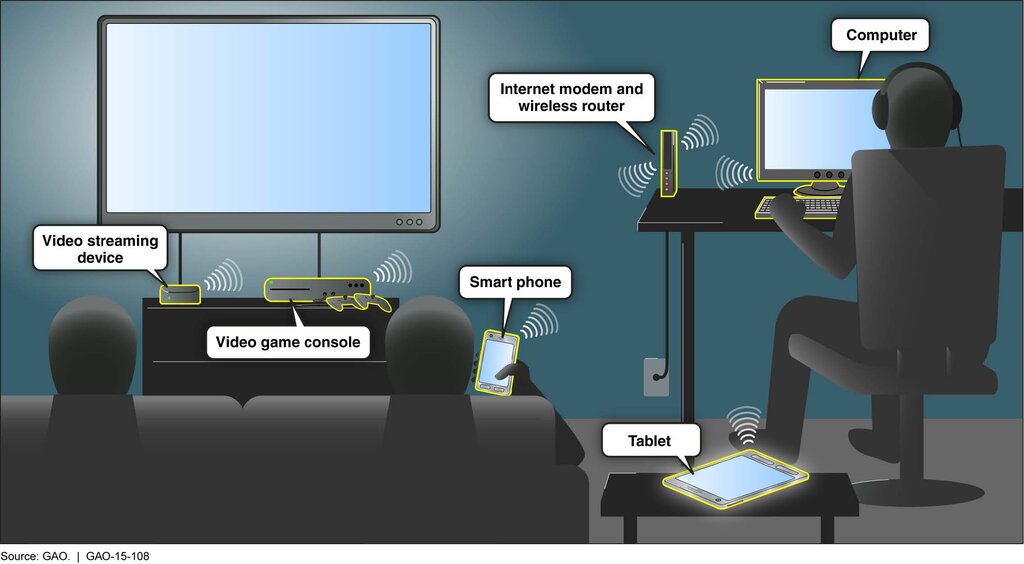
The Key Players
Every home network has a few essential pieces of hardware doing the heavy lifting. Let's meet the main components and learn what they do.
Modem
noun
A device that connects your home network to your Internet Service Provider (ISP) by converting signals between analog and digital formats.
The modem is your gateway to the internet. It takes the signal from your Internet Service Provider (ISP)—whether it comes through a cable, fiber optic, or phone line—and translates it into a digital signal your router can understand. Think of it as a multilingual interpreter. The internet speaks one language, and your network speaks another. The modem translates between them so information can flow freely.
Router
noun
A device that creates a local network and directs data traffic between your connected devices and the modem.
If the modem is the gateway to the internet, the router is the traffic cop for your home. It creates your private local network (your Wi-Fi) and manages all the devices connected to it. When you request a webpage on your laptop, the router makes sure that webpage is sent to your laptop and not your smart fridge. It gives each device a unique local address, called an IP address, to keep all the data going to the right place.
Many ISPs provide a single device that acts as both a modem and a router. This is often called a gateway or a modem-router combo. It simplifies your setup by combining two jobs into one box.
How Data Travels
So how does a request from your phone become a video on your screen? It's a two-way street. When you want to access something online, your device sends a request. This request travels wirelessly (or through an Ethernet cable) to your router.
The router then forwards this request to the modem. The modem translates it and sends it out to the internet through your ISP's network. When the data you requested comes back, the process happens in reverse. It hits the modem, gets translated, goes to the router, and the router directs it to the exact device that asked for it.
This whole process happens in milliseconds. Your router is constantly juggling requests from every device on your network, ensuring that everyone gets what they asked for quickly and without mix-ups. It’s a simple but powerful system that makes our connected lives possible.
What is the primary role of a modem in a home network?
Using the analogy of a city, the router acts as the __________, directing traffic to the correct addresses.