Home Network Security Testing
Network Security Basics
Why Bother Securing Your Home Network
Your home network isn't just for browsing the web anymore. It connects your phone, laptop, smart TV, gaming console, and maybe even your thermostat or doorbell. This connected web of devices makes life convenient, but it also creates a single doorway into your digital life. If someone gets through that door, they can potentially access personal files, financial information, or even use your internet for illegal activities.
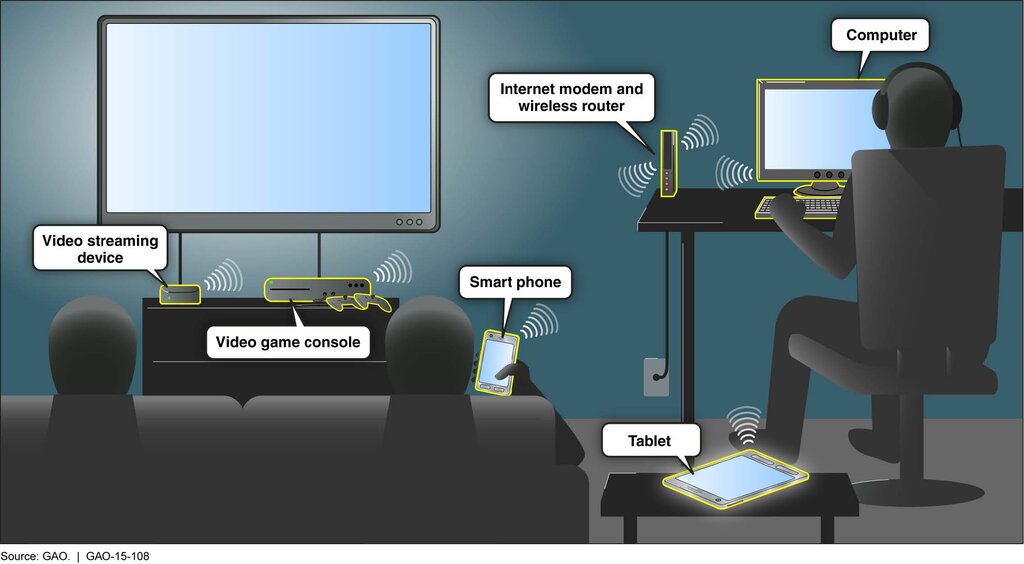
Securing your home network is like locking the front door to your house. It's a fundamental step in protecting your privacy and data from unwanted visitors. It's not about building an impenetrable fortress, but about making your network a much less attractive target for attackers.
Common Digital Pests
Several types of threats can target your home network. You don't need to be a cybersecurity expert to understand them, but knowing what you're up against is the first step in defending yourself.
-
Unauthorized Access: This is the digital equivalent of a neighbor stealing your Wi-Fi. They might just want free internet, but they could also use your connection to do things you'd be blamed for. More seriously, if they're on your network, they might be able to snoop on other devices connected to it.
-
Malware and Viruses: If one of your devices gets infected with malicious software, it can spread to other devices on the same network. This software can steal your passwords, lock up your files and demand a ransom, or simply slow your systems to a crawl.
-
Data Breaches: An insecure network makes it easier for attackers to intercept the information you send and receive. This could include emails, passwords, or credit card numbers, especially if you're using unsecured websites.
Once your network connects to the internet, it becomes more susceptible to outside threats.
Your Network's Bouncer
The first line of defense for your network is a firewall. Think of a firewall as a bouncer at a club. It stands at the entrance to your network and checks every piece of data trying to get in or out. It follows a set of rules to decide what's allowed and what gets blocked.
The good news is that nearly every home router comes with a built-in firewall. You just need to make sure it's turned on. It works quietly in the background, inspecting data packets and dropping anything that looks suspicious or doesn't match the rules.
Speaking in Secret Code
Another crucial layer of security is encryption. Encryption scrambles your data into an unreadable code while it's traveling through the air. Only devices that have the correct key—your Wi-Fi password—can unscramble and read it.
Without encryption, anyone nearby with basic hacking tools could eavesdrop on your internet activity. With encryption, all they'd see is a meaningless jumble of characters.
When setting up your Wi-Fi, always choose the strongest encryption option available, which is currently WPA3. If that's not an option, WPA2 is the next best thing.
Think of it like passing a secret note in class. If you write it in plain English, anyone who intercepts it can read it. But if you write it in a secret code that only you and your friend know, the note is safe even if it falls into the wrong hands. That's what Wi-Fi encryption does for your data.
Now, let's test your understanding of these core concepts.
What is the primary purpose of encrypting your Wi-Fi network?
If a neighbor connects to your unsecured Wi-Fi network to stream movies, what type of threat is this?
Understanding these basics is the first step toward a safer digital home. By enabling firewalls and using strong encryption, you make it significantly harder for intruders to get in.