Home Network Security Testing
Understanding Home Network Security
Your Digital Front Door
Think of your home network as the digital front door to your life. It’s not just about getting on the internet; it’s the hub that connects your computers, phones, tablets, smart TVs, and even your refrigerator. Just like you lock your actual front door to protect your home and belongings, securing your network protects your personal information and digital devices from unwanted visitors.
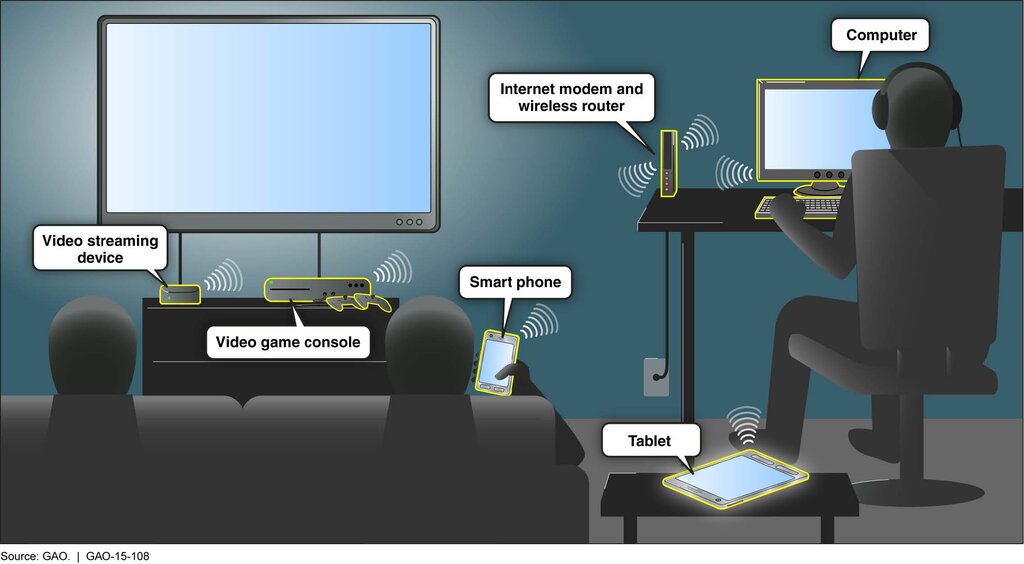
Everything you do online—banking, shopping, emailing, social media—passes through this network. If it’s not secure, it's like leaving that front door wide open. An unsecured network gives intruders a direct line to your sensitive data and control over your devices.
Common Weak Spots
Most security breaches don't happen because of sophisticated, movie-style hacking. They happen because of simple, easy-to-fix vulnerabilities. Let's look at the most common ones.
A weak password is like leaving your key under the doormat. It’s the first place anyone will look.
The password for your Wi-Fi network and your router's admin panel are critical lines of defense. Using default passwords (like "admin" or "password") or simple, easy-to-guess phrases makes a hacker's job incredibly easy. They can use automated software to try thousands of common passwords in seconds.
Another major vulnerability is outdated firmware. Firmware is the core software that makes your router and other smart devices work. Manufacturers release updates to patch security holes they discover. If you don’t install these updates, your devices remain vulnerable to known exploits. It's like knowing there’s a flaw in your door's lock but never getting it fixed.
Finally, the rise of Internet of Things (IoT) devices has introduced countless new entry points into our homes. Every smart bulb, security camera, thermostat, and voice assistant is a mini-computer connected to your network. Unfortunately, many of these devices are built with minimal security, making them an easy target for intruders.
Why It Matters
So what happens if someone gets in? The consequences range from inconvenient to devastating. An attacker could steal your personal information, like bank account details, credit card numbers, and private emails. This can lead directly to identity theft and financial loss.

They could also gain unauthorized access to your devices. Imagine someone watching you through your own security cameras or listening through a smart speaker. Attackers can also use your network to launch attacks on others, making it seem like the malicious activity is coming from you. They might even install ransomware, locking up your files and demanding payment for their return.
Understanding these risks is the first step. Now you’re ready to learn how to lock your digital front door.