Home Network Security Testing
Understanding Home Network Security
Your Digital Front Door
Think of your home network as the digital front door to your life. Just like you lock your physical doors to keep intruders out, your network needs protection to keep your personal information safe. In the past, this might have just meant securing one family computer. Today, our homes are filled with dozens of connected devices, from laptops and phones to smart TVs and even light bulbs. Each one is a potential entry point for digital threats.
Home network security is the practice of protecting this digital space. It involves setting up barriers and following best practices to prevent unauthorized access and protect the data that travels across your network. Without it, you're leaving that digital front door wide open.
Anatomy of a Home Network
Your home network has a few key players. It starts with the modem, a device that connects your home to the wider internet provided by your Internet Service Provider (ISP). Think of it as the on-ramp to the information superhighway.
Next is the router. It takes that internet connection from the modem and creates a private, local network for your home. It directs traffic, allowing all your devices to share the connection, either through Wi-Fi or physical Ethernet cables. Many ISPs now provide a single device that acts as both a modem and a router.
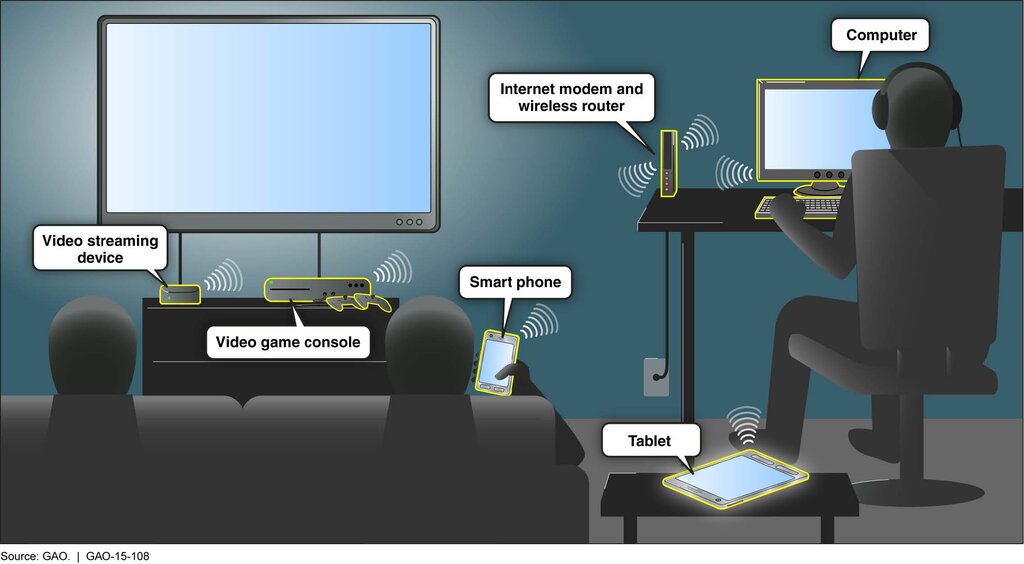
The final components are all the connected devices. This includes the obvious ones, like computers, tablets, and smartphones. But it also includes a growing number of Internet of Things (IoT) devices: smart speakers, security cameras, thermostats, and kitchen appliances. Every device that connects to your Wi-Fi is part of your home network.
Common Security Gaps
Most home networks aren't breached by sophisticated attacks. Instead, intruders exploit simple, common oversights. One of the biggest is using weak or default passwords for the Wi-Fi network and the router's admin controls. Many people never change the default password that comes with their router.
If a hacker knows the manufacturer of your router, they can often guess the default login credentials, like 'admin' and 'password', in seconds.
Another major vulnerability is outdated firmware. Firmware is the software that runs on your router, and manufacturers release updates to patch security holes. If you don't keep it updated, your router remains vulnerable to known exploits.
Finally, many IoT or 'smart' devices are designed with convenience in mind, not security. They can have their own vulnerabilities that create backdoors into your network if they aren't properly managed.
The Risks of an Open Network
An unsecured network puts your personal information at risk. Someone could potentially intercept unencrypted data, capturing anything from passwords and financial details to private emails. This can lead directly to identity theft or financial loss.
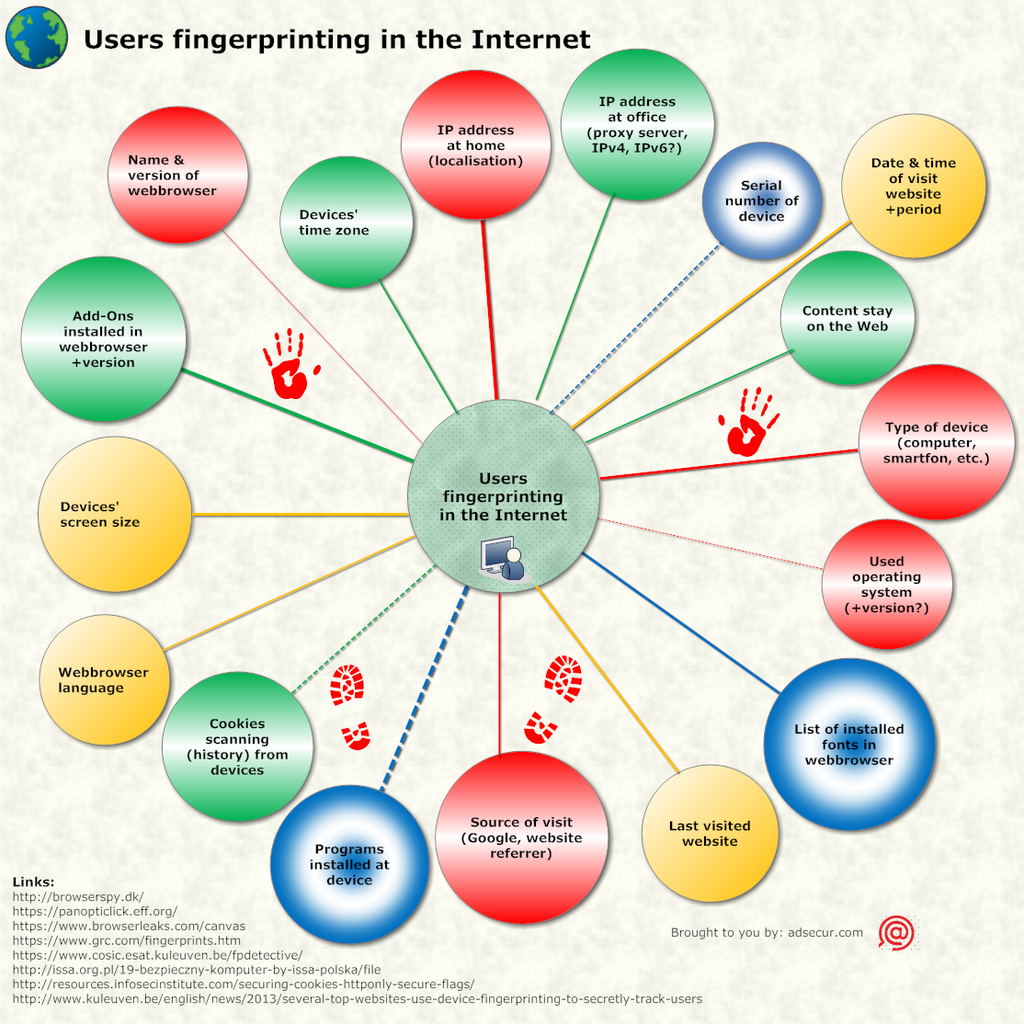
Malware is another significant threat. If an attacker gains access to your network, they can attempt to infect your connected devices with viruses, spyware, or ransomware. They could also co-opt your devices into a botnet, using your network's resources to carry out larger attacks on other targets without your knowledge.
Essentially, a breach compromises not just one device, but the security and privacy of your entire digital home.
What is the primary function of a router in a home network?
The software that runs on a router and needs to be updated to patch security holes is known as its ______.