Home Network Security Testing
Network Security Basics
Your Digital Front Door
Think of network security like securing your home. You lock your doors and windows to keep unwanted visitors out. In the digital world, your network is your home, and network security is the system of locks, alarms, and common sense that protects everything inside it. It's the practice of preventing unauthorized access or damage to your computers, smart devices, and the data they hold.
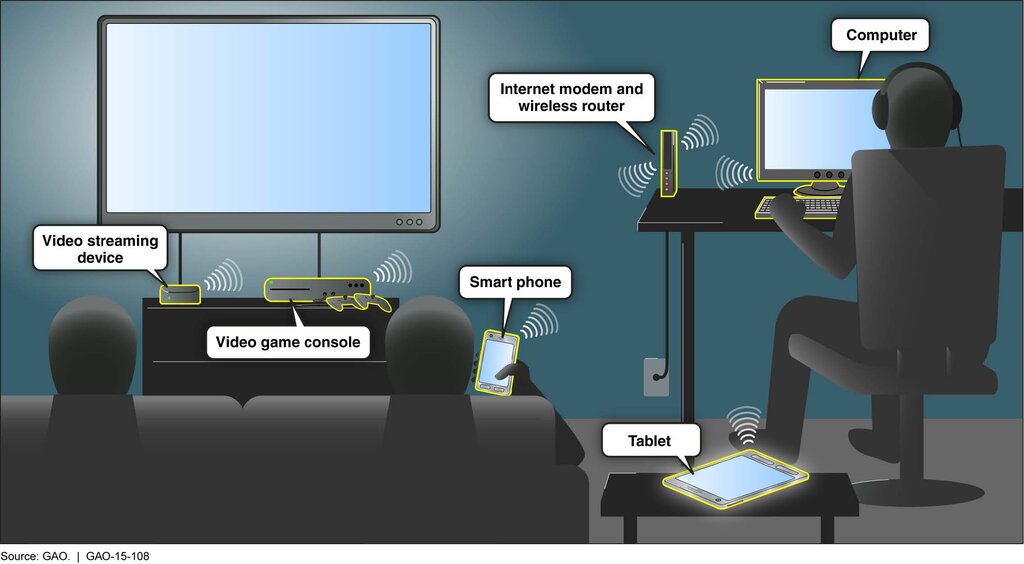
Every device connected to your Wi-Fi, from your laptop to your smart TV, is part of this network. Securing it means protecting all of those devices from digital threats that exist on the internet.
Common Network Threats
Just as a home can face different kinds of intruders, a network faces various types of digital threats. Most fall into a few common categories.
Malware
noun
Short for "malicious software," it's any software intentionally designed to cause damage to a computer, server, client, or computer network.
Malware is a catch-all term for digital pests like viruses, spyware, and ransomware. A virus might corrupt your files, spyware could secretly record your passwords, and ransomware can lock up your computer and demand money to release it. These threats often arrive through suspicious downloads or deceptive email links.
Unauthorized access is when someone gets onto your network without permission. This could be a neighbor using your Wi-Fi to save money, but it could also be a criminal looking to access your personal files or use your internet connection for illegal activities.
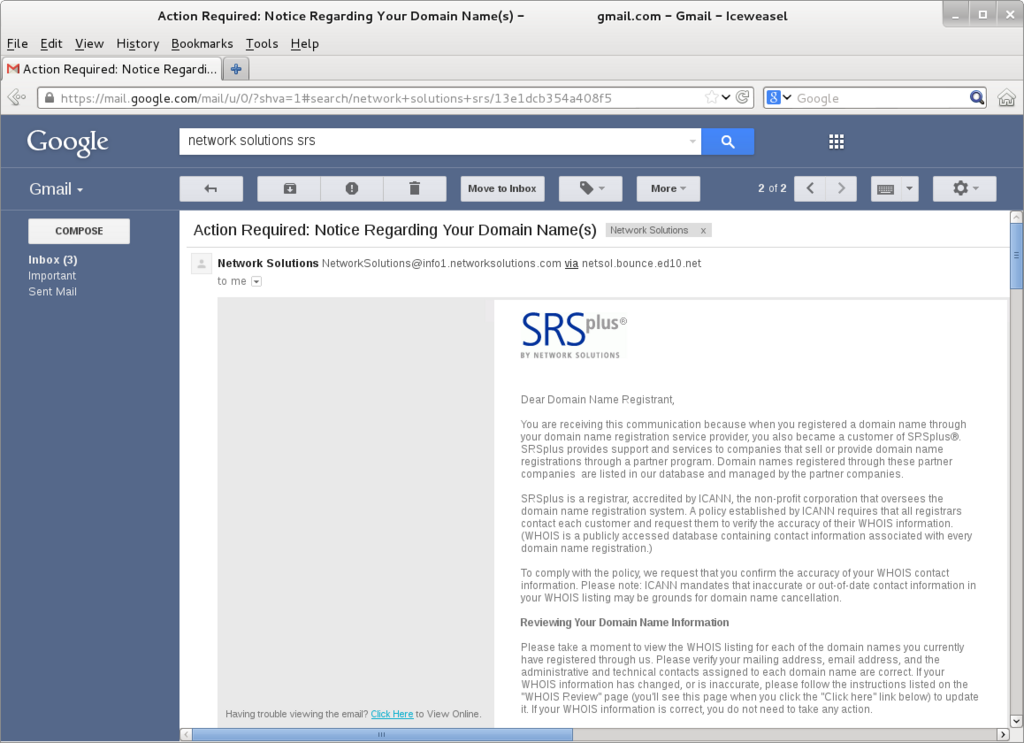
Another major threat is phishing. This is a trick where an attacker sends a message, often an email, pretending to be from a legitimate company like your bank or a popular online store. The goal is to fool you into revealing sensitive information, such as passwords or credit card numbers.
The Consequences of a Breach
When network security fails, the consequences can range from annoying to devastating. A security vulnerability is like leaving a window unlocked—it’s an opportunity for a threat to get in.
If someone breaches your network, they could:
- Steal your data: This includes financial information, leading to theft from your bank accounts, or personal details that could be used for identity theft.
- Invade your privacy: Attackers could access personal photos, private documents, or even spy on you through your own webcams.
- Damage your devices: Malware can slow down your computers, destroy your files, or render your devices completely unusable.
- Use your network for crime: Your internet connection could be used to launch attacks on others, making it look like you're the culprit.
Once your network connects to the internet, it becomes more susceptible to outside threats.
Understanding these basic threats is the first step toward building a safer digital home. By recognizing what you're up against, you can start to take simple, effective measures to protect yourself.