Home Network Security Testing
Introduction to Home Network Security
Why Bother with Home Network Security?
Your home network is the digital hub of your life. It connects your computers, phones, smart TVs, and even appliances like refrigerators and thermostats to the internet. Just as you lock your front door to protect your physical home, securing your network is essential to protect your digital world.
Home network security is all about preventing unauthorized access to your devices and the sensitive information they hold. Without it, your personal data, from bank account details to private conversations, could be exposed to intruders.
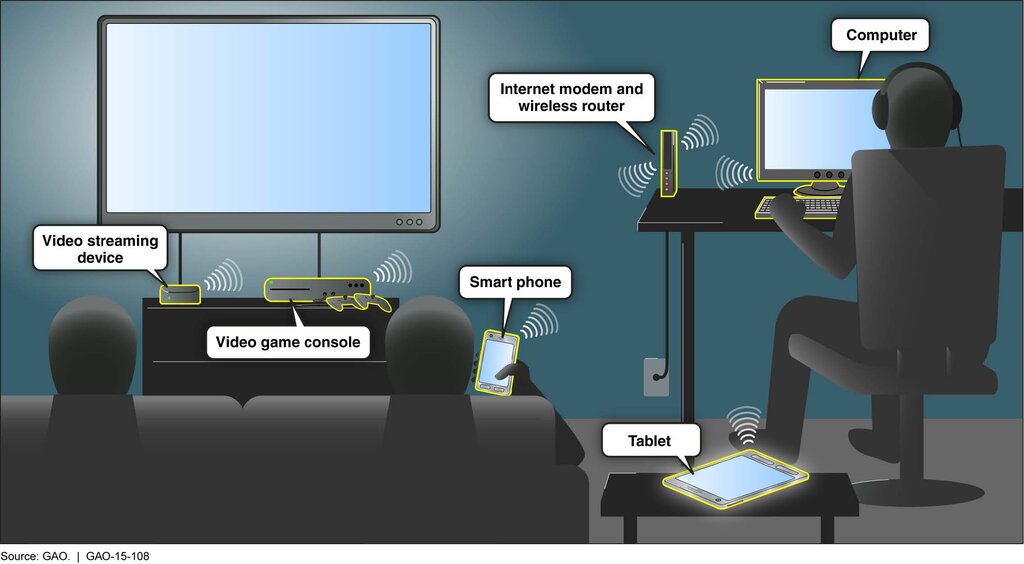
Once connected to the internet, your network is no longer an isolated island. It's part of a global system, making it reachable by others. A security breach isn't just a technical problem; it can lead to identity theft, financial loss, or having your devices used by criminals for illegal activities without your knowledge.
Common Weak Spots
Most home networks are not breached by sophisticated, complex attacks. Instead, intruders often exploit simple, common vulnerabilities. Understanding these weak spots is the first step toward building a stronger defense.
| Vulnerability | Why It's a Risk |
|---|---|
| Weak or Default Passwords | Easy for attackers to guess or crack using automated software. Many routers and devices ship with simple, well-known default passwords like "admin" or "password". |
| Outdated Firmware | Device software, or firmware, often has security holes discovered after release. Without updates, these vulnerabilities remain unpatched and exploitable. |
| Unsecured Wi-Fi | An open Wi-Fi network with no password allows anyone nearby to connect, access your devices, and monitor your internet traffic. It's the digital equivalent of leaving your front door wide open. |
These vulnerabilities often exist because they are easy to overlook. We set up a new router, it works, and we forget about it. But a little bit of maintenance goes a long way.
firmware
noun
Permanent software programmed into a device's read-only memory. It provides low-level control for the device's specific hardware.
The Risks Are Real
Neglecting home network security can have serious consequences. A compromised network can serve as a gateway for attackers to carry out a variety of malicious actions.
An attacker could install malware on your devices to steal passwords, spy on you through your webcam, or encrypt your files and demand a ransom.
They might also use your internet connection to conduct illegal activities, making it appear as though you are the perpetrator. Furthermore, insecure smart home devices, such as cameras or locks, could be manipulated, posing a direct threat to your physical safety and privacy.
A vulnerable router can be a gateway for cybercriminals to infiltrate your home network, compromising sensitive data and devices.
Now that you understand the stakes, you're ready to start building a more secure digital home. The next steps will guide you through practical actions you can take.