Home Network Security Testing
Understanding Home Network Security
Your Digital Front Door
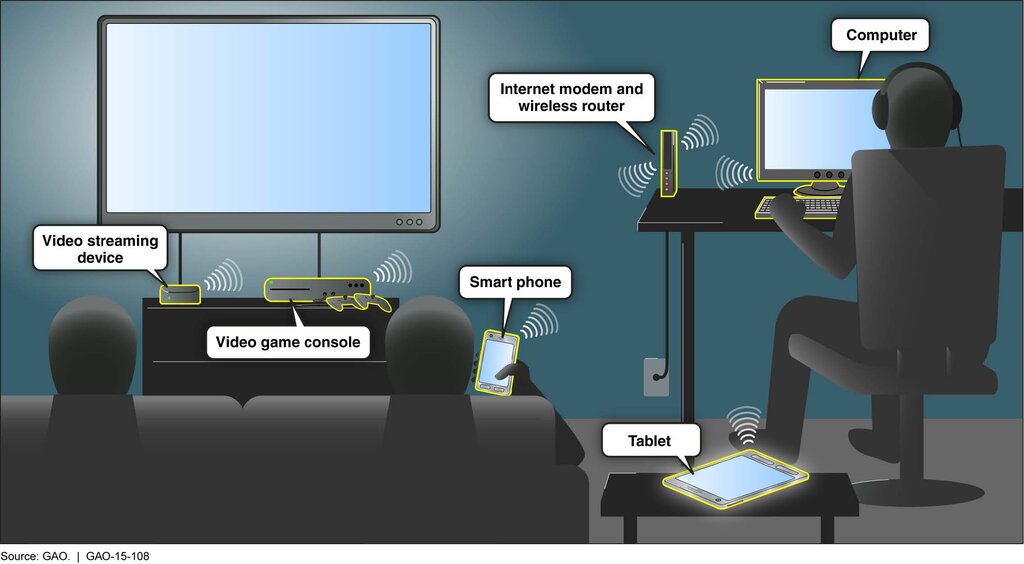
Think of your home network as the digital front door to your life. It connects your computers, phones, smart TVs, and even your refrigerator to the internet. Just as you lock your physical front door to keep strangers out, you need to secure your network to protect your personal information.
Every device connected to your Wi-Fi is a potential entry point for outsiders. Leaving this door unlocked can expose everything from your bank account details to your private photos.
Common Threats Lurking Online
Securing your network means understanding what you're up against. Three main threats target home networks: unauthorized access, data interception, and malware.
Think of it this way: a weak network is like a house with unlocked doors and windows. It's not a matter of if someone will try to get in, but when.
Unauthorized Access This is when someone uses your Wi-Fi without your permission. It might seem harmless, like a neighbor borrowing a cup of sugar, but the consequences can be serious. They can slow down your internet, use your connection for illegal activities that get traced back to you, or even access files on your computers.
Data Interception If an attacker gets onto your network, they can eavesdrop on your internet traffic. If your connection to a website isn't encrypted, they can see what you're doing, like reading your mail before it reaches your mailbox. This is how passwords, credit card numbers, and other sensitive information get stolen.
Malware Infiltration Malware is malicious software like viruses, spyware, or ransomware. A compromised network can act as a superhighway for malware to infect every device connected to it. One infected laptop could quickly spread a virus to your phone and tablet, like a single sick person coughing in a crowded room.
The Risks of Open Wi-Fi
An unsecured Wi-Fi network is one that doesn't require a password. It's an open invitation for trouble. Connecting to public or unsecured Wi-Fi can be risky, but leaving your own home network open is far more dangerous. It gives attackers a direct line into your home and your digital life.
A vulnerable Wi-Fi network is a key hacking vector for cybercriminals, and this is why it's important to secure your home network as much as you can.
The potential damage includes identity theft, financial loss, and having your personal devices hijacked for malicious purposes. The good news is that securing your network is straightforward. Understanding these threats is the first and most important step toward protecting yourself.
Why is securing your home network often compared to locking the front door of your house?
Which of the following is an example of 'data interception' on an unsecured network?