Home Network Security Essentials
Home Network Basics
Your Home Network Explained
Your home network is the digital hub of your life. It connects your computers, phones, TVs, and smart speakers to each other and to the wider internet. Think of it as your home's private post office, managing all the digital mail coming in and going out.
Understanding the few key pieces of equipment that make this possible is the first step to keeping your digital life secure.
The Key Players
Most home networks rely on two main devices to get you online: the modem and the router. Sometimes they're combined into a single box, but they perform two very different jobs.
A modem is a translator. It takes the signal from your internet service provider (ISP) and converts it into a digital signal your devices can use. It's the bridge between the outside world and your home.
A router is the traffic director. It takes that single internet connection from the modem and creates your own private network, called a Local Area Network (LAN). The router manages all the data traffic, making sure a video streaming to your TV doesn't get sent to your phone by mistake. This is also the device that creates your Wi-Fi network, allowing devices to connect wirelessly.
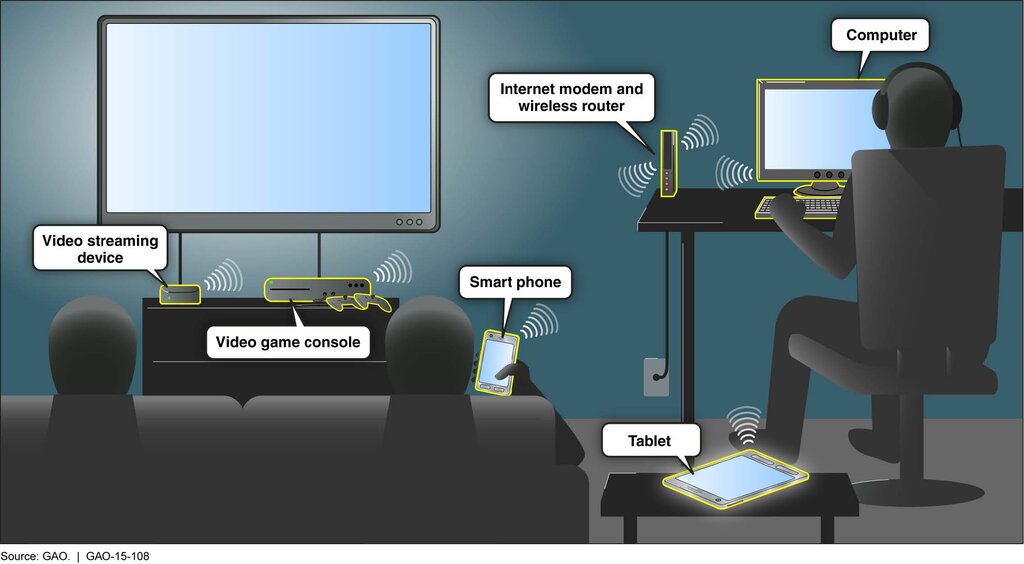
Finally, you have your connected devices. These are the clients of the network: your laptop, smartphone, gaming console, and smart home gadgets. They all connect to the router, either with an Ethernet cable or over Wi-Fi, to get online.
How Data Moves
So how do these pieces work together? Let's say you want to watch a video on your tablet. Your request for that video doesn't go straight to the internet. It follows a specific path.
- Your tablet sends a request to the router.
- The router forwards this request to the modem.
- The modem translates the request and sends it over your ISP's network to the internet.
- The server hosting the video sends the data back along the same path.
- The modem receives the data and translates it.
- The router directs the data specifically to your tablet, ensuring it gets to the right screen.
This all happens in fractions of a second. Every time you browse a webpage, send an email, or play an online game, your data is making this round trip.
Locking the Digital Doors
Because your network is a gateway to the internet, it's also a potential doorway for intruders. Network security isn't just for big companies. It's about protecting your personal information and devices from unauthorized access.
An unsecured network is like leaving your front door wide open. It exposes you to several risks:
Data Snooping: If your Wi-Fi isn't encrypted, anyone nearby can potentially see the websites you visit and the information you send.
Information Theft: Attackers could steal login credentials, financial details, or other sensitive personal data that travels over your network.
Bandwidth Hijacking: Your neighbors could use your Wi-Fi, slowing down your connection for everyone in your household.
Malware Infection: An attacker could use your network to spread malicious software to your connected devices, potentially damaging them or holding your data for ransom.
Taking a few basic security measures, which we'll cover later, can dramatically reduce these risks and keep your digital home safe.
In a typical home network, what is the primary function of a router?
When you request to view a website on your smartphone, what is the first device your request is sent to?
Now you have a solid foundation of how your home network operates. Knowing the roles of the modem, router, and the path your data takes is the first step toward securing it.