Home Network Security Checkup
Understanding Home Network Security
Your Digital Front Door
Think of your home network as the digital front door to your life. It's how your computers, phones, smart TVs, and even refrigerators connect to the internet. Just like you lock your physical front door to keep strangers out, securing your home network protects your personal information from digital intruders.
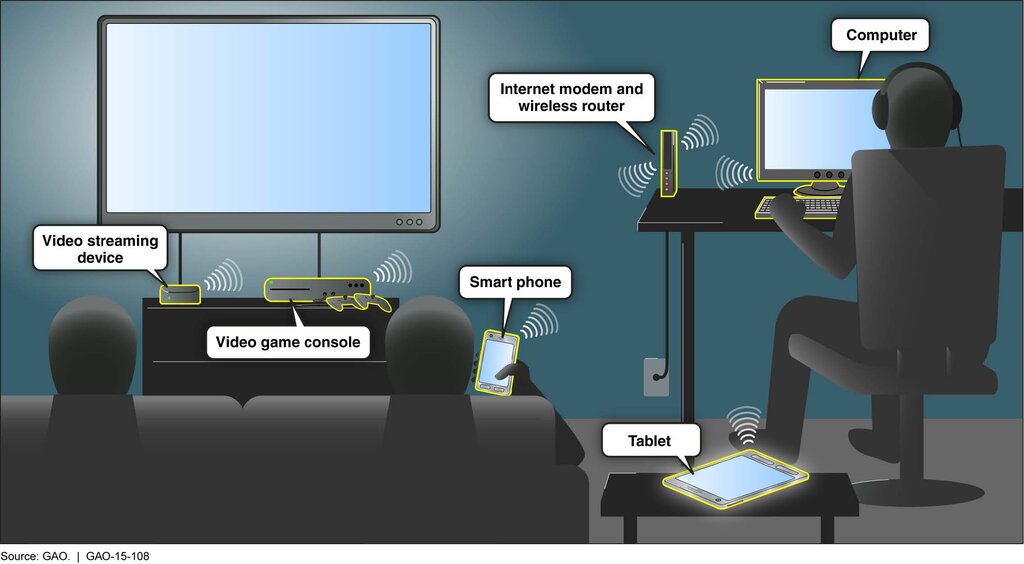
Every home network has a few key players. First is the modem, the device that brings the internet signal into your home from your service provider. Next is the router, which takes that signal and creates a private wireless network (Wi-Fi) for all your devices. Finally, you have all the connected devices themselves—laptops, tablets, gaming consoles, and smart home gadgets.
Uninvited Digital Guests
Once your network is connected to the internet, it's exposed to potential threats. It’s not about being paranoid, but about being aware. The most common threats aren't complex operations; they're often simple and exploit common weaknesses.
Once your network connects to the internet, it becomes more susceptible to outside threats.
Three main types of threats target home networks:
-
Malware: This is malicious software, like viruses or spyware, that can infect your devices. It might sneak in through a deceptive email link or a shady download. Once inside, it can slow down your devices, steal your passwords, or even lock your files until you pay a ransom.
-
Unauthorized Access: This is when someone gets onto your Wi-Fi network without your permission. They might be a neighbor trying to get free internet, or someone with more harmful intentions looking to snoop on your online activity or access files on your computers.
-
Data Breaches: If an attacker gets into your network, they can intercept the information you send and receive. This could include bank account details, credit card numbers, and private messages. A breach on your home network can lead to bigger problems.
The Real-World Consequences
A compromised network isn't just a technical inconvenience. It can have serious real-world consequences that affect your privacy, finances, and peace of mind.
| Threat | Potential Consequence |
|---|---|
| Malware | Slow devices, stolen passwords, ransomware demands |
| Unauthorized Access | Snooping on your activity, using your internet for illegal acts |
| Data Breach | Identity theft, financial loss, invasion of personal privacy |
Imagine someone stealing your mail to find bank statements. A network breach is the digital version of that, but potentially worse. Attackers could use your stolen information to open credit cards in your name, drain your bank account, or impersonate you online.
Protecting your home network is about protecting yourself. By understanding the basics of what your network is and the common threats it faces, you've already taken the most important step toward building a safer digital home.
Now, let's test your knowledge on these foundational concepts.
What is the primary role of a router in a home network?
If a neighbor secretly connects to your Wi-Fi to use your internet, what type of threat is this?
Securing your digital life starts with understanding the landscape. Now that you know the components, threats, and risks, you're better equipped to protect your personal information.