Home Network Security Audit
Understanding Home Network Security
What Is Home Network Security?
Think of your home network as your digital front door. It’s the connection point for all your devices: computers, phones, smart TVs, and even refrigerators. Home network security is the practice of locking that door and securing all the windows to protect your personal information and devices from unwanted visitors online.
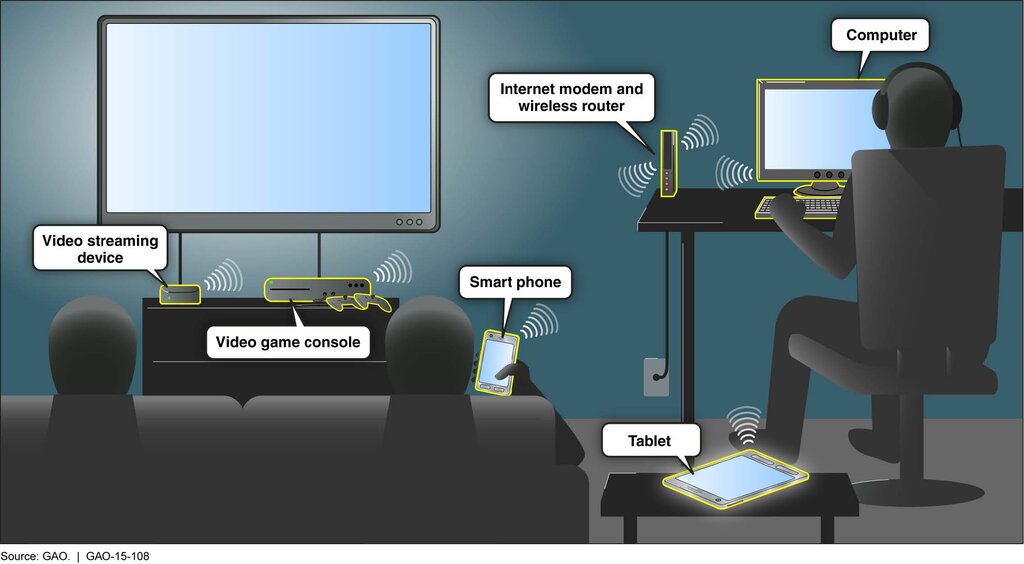
Just like a physical home, your digital one has potential weak spots that intruders can exploit. Understanding these common vulnerabilities is the first step toward building a strong defense.
Common Weak Spots
Most security breaches don't happen because of a super-genius hacker. They happen because of simple, overlooked weaknesses. Here are the most common ones:
-
Weak Passwords: Using default passwords (like "admin") or simple, easy-to-guess phrases is like leaving your key under the doormat. Attackers often use software that can rapidly guess thousands of common passwords.
-
Outdated Firmware: Firmware is the software that runs on your router and other smart devices. Manufacturers release updates to patch security holes. If you don't install them, you're leaving a known vulnerability open for anyone to exploit.
-
Unsecured Wi-Fi: An open Wi-Fi network without a password allows anyone nearby to connect, use your internet, and potentially access other devices on your network.
-
Internet of Things (IoT) Devices: Many smart home devices are designed for convenience, not security. They often ship with weak default passwords and may not receive regular security updates, making them easy targets.
Every smart device, from your TV to your thermostat, is another potential entry point for an attacker.

Leaving any of these vulnerabilities unaddressed can have serious consequences.
Why It Matters
A compromised home network isn't just an inconvenience. It can lead to significant problems:
-
Data Theft: Attackers can steal sensitive information stored on your devices, including banking details, passwords, personal photos, and private documents.
-
Identity Theft: With enough personal information, a criminal can impersonate you to open credit cards or commit other types of fraud.
-
Unauthorized Access: Intruders could use your internet connection for illegal activities, leaving you to deal with the consequences. They might even access your smart cameras or baby monitors.
-
Botnet Creation: Hackers can infect your devices with malware and add them to a "botnet," a network of compromised computers used to launch larger attacks on websites or other networks, all without your knowledge.
A vulnerable Wi-Fi network is a key hacking vector for cybercriminals, and this is why it's important to secure your home network as much as you can.
Securing your digital home is just as important as locking your physical one. It protects your privacy, your finances, and your peace of mind. Now, let's check what you've learned.
What is the primary goal of home network security?
Using the default password that came with your router, like "admin" or "password", is a significant security risk.
Now that you understand the basics of what home network security is and why it's so important, you're ready to learn how to put these concepts into practice.