Home Network Security Audit
Home Network Basics
Your Home's Digital Hub
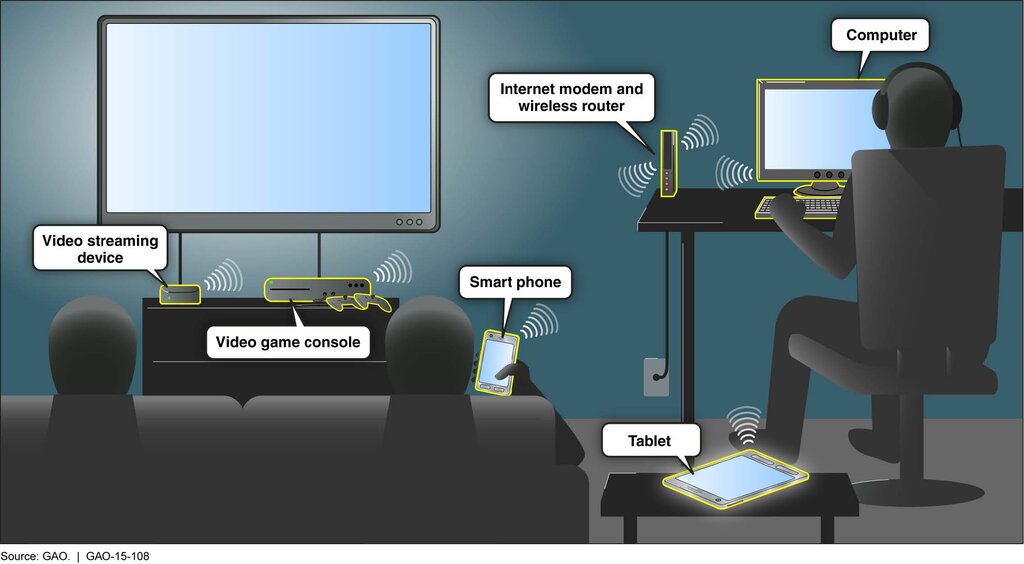
Think of your home network as the nervous system for your digital life. It's what connects your computers, phones, TVs, and other smart gadgets to each other and to the internet. Without it, each device would be an isolated island. With it, they can share information and access the vast world of the web.
Every home network has a few key players that work together to make this happen. Let's meet the team.
Modem
noun
A device that connects your home to your Internet Service Provider (ISP), like Comcast or Verizon. It translates the signal from your ISP into one your computer can understand.
The modem is your gateway to the internet. Think of it as the on-ramp to the information superhighway. It typically has one cable connecting to the wall (from your ISP) and one Ethernet port to connect to your router.
Router
noun
A device that creates a local network within your home. It takes the single internet connection from the modem and shares it among all your devices, either through Wi-Fi or Ethernet cables.
If the modem is the on-ramp, the router is the traffic controller for your home. It directs data to the correct device, so your email goes to your laptop and your movie stream goes to your TV. Many ISPs now provide a single device that acts as both a modem and a router.
How It All Connects
So how does data get from the internet to your phone? It follows a clear path. The signal comes from your ISP, enters your home, and goes into the modem. The modem translates the signal and passes the internet connection to the router.
The router then creates your private Local Area Network (LAN). This is your home's personal bubble of connectivity. The router acts as a dispatcher, assigning a unique local IP address to each device that connects. This is like giving every house on your street a unique mailing address. When you search for something online, your request travels from your device to the router, through the modem, and out to the internet. The response comes back the same way, and the router makes sure it gets delivered to the right device.
This setup is a common configuration called a star topology, where all devices connect to a central point—the router. It's simple, reliable, and easy to manage.
Why Security Matters
Your home network is the gateway to your personal information. Leaving it unsecured is like leaving your front door wide open. Uninvited guests could use your internet connection, which is the least of your worries. They could also potentially access files on your computers, spy on what you're doing online, or infect your devices with malware.
A vulnerable Wi-Fi network is a key hacking vector for cybercriminals, and this is why it's important to secure your home network as much as you can.
Securing your network involves protecting its key components. For your router, this means changing the default administrator password that it came with. You should also protect your Wi-Fi with a strong, unique password using the latest security standard, like WPA3 if available, or WPA2.
A strong Wi-Fi password is your first line of defense. Make it long, complex, and not something easily guessed.
Finally, all the devices connected to your network—computers, phones, tablets, smart speakers—are potential entry points. Keeping their software and security applications up to date is crucial. Updates often include patches for security flaws that could otherwise be exploited.
Understanding these basics is the first step toward maintaining a safe and efficient home network. By knowing what each part does and how to protect it, you can ensure your digital life stays private and secure.