Home Network Security Audit
Network Security Basics
What is Network Security?
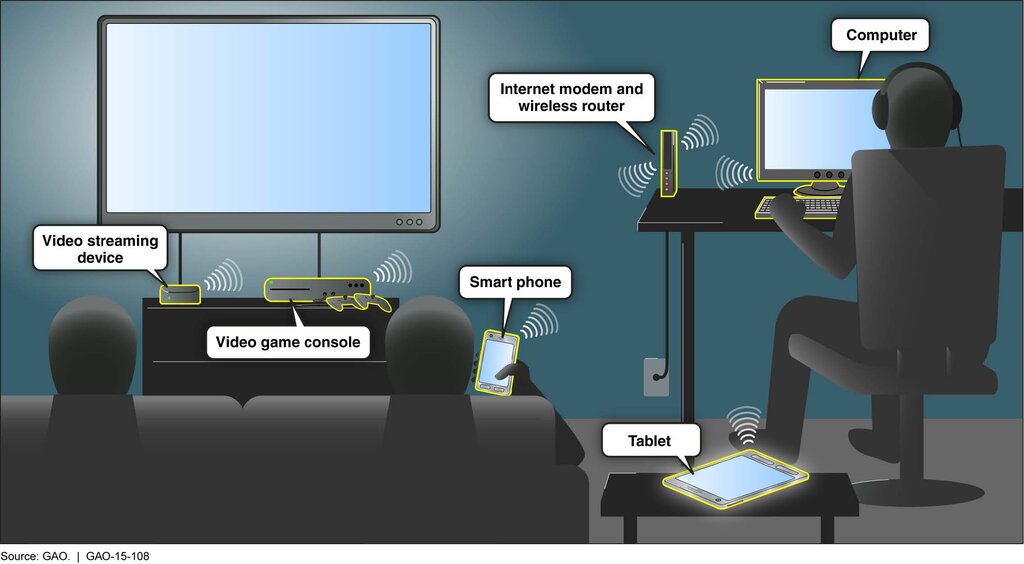
Think of your home network as your digital house. It’s where your computers, phones, smart TVs, and other devices all live and talk to each other. Network security is simply the practice of locking your digital doors and windows to keep unwanted guests out.
Network Security
noun
The collection of practices and technologies used to protect a computer network and its data from unauthorized access, misuse, or theft.
It’s not just about stopping shadowy hackers in hoodies. It’s a set of good habits and simple precautions that protect the usability, reliability, and safety of your network. It ensures that your connection is available when you need it and that your personal information stays private. A secure network is a healthy network.
Common Threats at Your Door
Just like your physical home, your digital one faces some common risks. Understanding them is the first step to protecting yourself. The three most common threats you'll encounter are malware, unauthorized access, and data breaches.
Malware
noun
Short for "malicious software," it's a general term for any software intentionally designed to cause damage to a computer, server, client, or computer network.
Malware comes in many forms:
- Viruses: These attach to clean files and spread to other computers, corrupting data along the way.
- Spyware: This sneaky software spies on your activity, secretly recording your passwords, credit card numbers, and browsing habits.
- Ransomware: This type of malware locks up your files and demands a payment (a ransom) to release them.
The next threat is unauthorized access. Think of this as a digital break-in. It could be a neighbor hopping onto your Wi-Fi to stream movies, slowing down your connection. Or it could be a more serious intruder trying to access personal files stored on your computer.

Finally, there are data breaches. This is what happens when the first two threats succeed. A data breach is the intentional or unintentional release of secure or private information to an untrusted environment. For a home network, this could mean your saved passwords, bank account details, private photos, or personal emails are stolen and exposed.
Why It Matters
You might wonder if your small home network is really a target. The answer is yes. Attackers often aren't specifically targeting you, but are casting a wide net for any vulnerable network they can find. Securing your network is crucial for a few key reasons.
Learning how to scan home network for vulnerabilities is a critical step towards improving the security of your home network.
First, it protects your sensitive information. Your financial data, login credentials, and personal conversations are all valuable. A secure network acts as a shield, keeping that data out of the wrong hands and protecting you from identity theft and fraud.
Second, it preserves your privacy. In an increasingly connected world, our devices know a lot about us. A secure network helps ensure that your personal life remains personal, preventing others from snooping on your online activities or accessing your private files.
Finally, it protects your devices. Malware can do more than just steal data; it can damage your devices, slow them down, or even render them unusable. Good security practices help keep your expensive electronics running safely and smoothly.
Ready to check your understanding of these core concepts?
What is the primary goal of home network security?
A type of malware that locks up your files and demands a payment to release them is known as ____.
In the next section, we'll move from the 'what' and 'why' to the 'how,' exploring simple, effective steps you can take to secure your home network.