Home Maintenance Essentials
Home Maintenance Basics
Why Bother with Home Maintenance?
Think of your home like a car or even your own body. It needs regular check-ups to run smoothly and stay healthy. Small, consistent efforts prevent small problems from turning into giant, expensive headaches. Regular maintenance isn't just about fixing what's broken; it's about preventing things from breaking in the first place.
Proactive upkeep protects your home's value. A well-maintained house not only looks better but is also safer for you and your family. It keeps systems like plumbing and electrical in good working order, reducing the risk of accidents. Plus, when it comes time to sell, a history of good maintenance can be a major selling point.
A 💲10 fix today can prevent a 💲1,000 disaster next year. That’s the core idea of preventative maintenance.
The Cost of Doing Nothing
Ignoring your home's needs can lead to a domino effect of problems. A tiny leak in the roof, left unchecked, can lead to rotted wood, damaged insulation, and a serious mold problem. Clogged gutters can cause water to seep into your foundation, leading to cracks and structural damage. What starts as a simple, inexpensive fix can quickly spiral into a major renovation project.
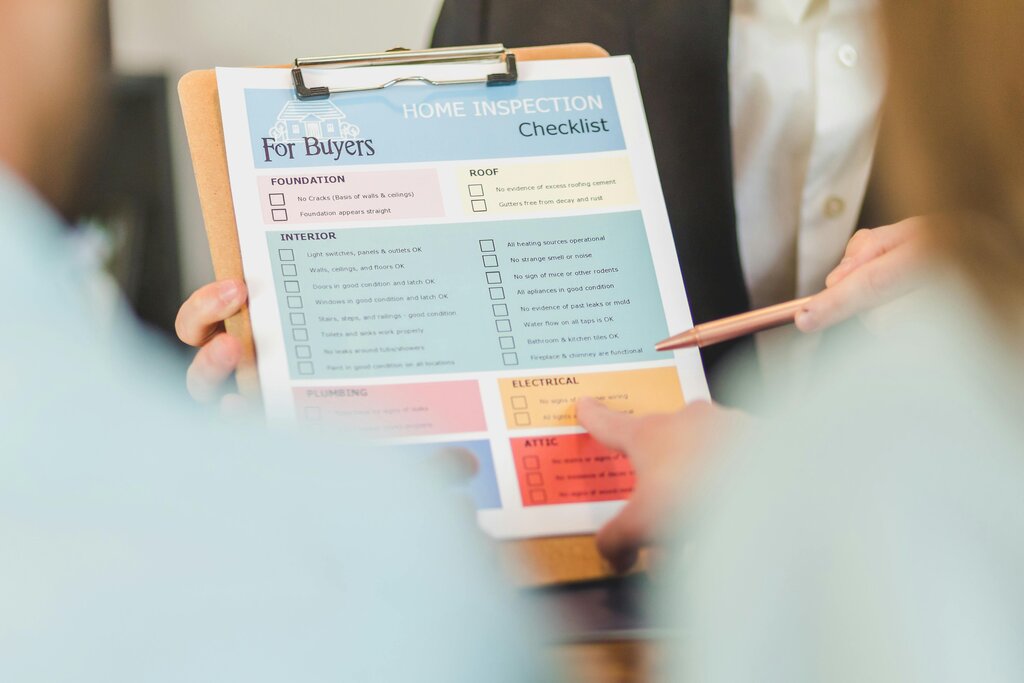
Neglect doesn't just impact your wallet. It can create safety hazards, like faulty wiring that poses a fire risk or a deteriorating deck that could collapse. By putting off maintenance, you're not saving money—you're just delaying a much bigger bill and potentially compromising your home's safety.
Your Home Maintenance Toolkit
You don't need a professional workshop to handle basic home maintenance. A small collection of essential tools will equip you for most common tasks. Having these items on hand means you can tackle problems as soon as they appear.
| Tool | Common Uses |
|---|---|
| Claw Hammer | Driving & removing nails |
| Screwdriver Set | Tightening loose screws on cabinets, doors, etc. |
| Pliers (Set) | Gripping, turning, and cutting wires |
| Tape Measure | Measuring for furniture, repairs, and projects |
| Utility Knife | Opening boxes, cutting drywall, scoring materials |
| Adjustable Wrench | Tightening nuts and bolts of various sizes |
| Level | Hanging pictures, shelves, and ensuring things are straight |
| Stud Finder | Locating wall studs for secure hanging |
| Safety Goggles & Gloves | Protecting your eyes and hands |
Creating Your Maintenance Plan
The key to consistent maintenance is having a plan. Without one, it's easy to forget tasks until it's too late. A personalized schedule helps you stay organized and ensures everything gets the attention it needs. Every home is different, so your plan should be tailored to your property's specific features, age, and climate.
A great way to start is by breaking down tasks by season. Certain jobs make more sense at different times of the year. For example, you'd want to check your air conditioning in the spring before the summer heat hits, and inspect your furnace in the fall before winter arrives.
You can also organize tasks by frequency: monthly, quarterly, and annually. Monthly tasks might include testing smoke detectors and cleaning faucet aerators. Quarterly could be deep cleaning appliances. Annually might involve inspecting the roof or having the chimney swept. The best approach is often a mix of both seasonal and frequency-based schedules. The goal is to create a system that works for you and your home, turning maintenance from a reaction into a routine.
Create a preventative maintenance plan for your home and execute on it diligently.
Ready to check your understanding of these core principles? Let's see what you've learned.
What is the primary benefit of proactive home maintenance?
Ignoring home maintenance can create safety hazards, like faulty wiring or a deteriorating deck.
By understanding the why, what, and how of basic home upkeep, you're setting yourself up for a safer, more valuable, and less stressful homeownership experience.