Home Kitchen Granola Business Startup
Understanding Cottage Food Laws
What Are Cottage Food Laws?
Cottage food laws are rules that allow you to produce and sell certain types of food right from your own home. Think of them as a launchpad for small-scale food entrepreneurs. Instead of needing to rent or build an expensive commercial kitchen, these laws let you start your business from your personal kitchen.
The goal is to encourage local food production and create opportunities for small businesses. By removing the barrier of high startup costs, states make it easier for people to turn their passion for baking, canning, or candy-making into a source of income. However, these laws come with specific rules to ensure the food sold is safe for the public.
What Can You Sell?
The key to cottage foods is that they must be “non-potentially hazardous.” This is a technical term for foods that are shelf-stable and don't require refrigeration to prevent the growth of harmful bacteria. They are considered low-risk for causing foodborne illness.
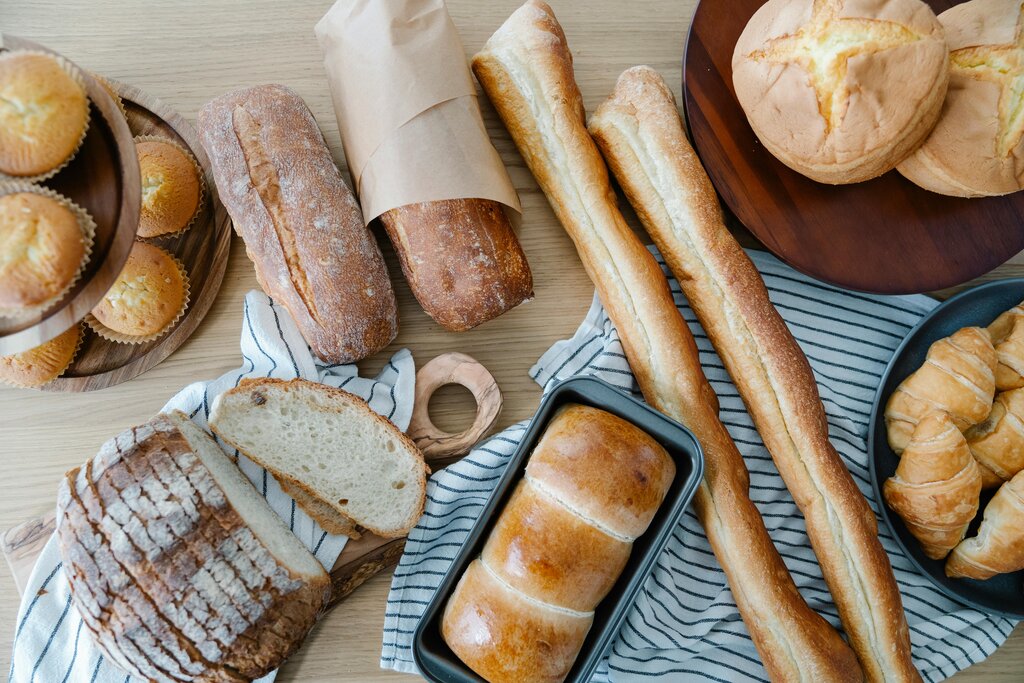
Commonly allowed items include:
- Baked goods without cream, custard, or meat fillings (bread, biscuits, cookies, muffins)
- Jams, jellies, and fruit preserves
- Candies and confections like fudge or brittles
- Dried fruit, dry herbs, and seasoning mixes
- Popcorn, granola, and nuts
Foods that typically require refrigeration are almost always prohibited. This means things like cheesecakes, cream-filled pastries, meat pies, and canned vegetables are off-limits for a cottage food operation.
General Rules of the Road
While the specifics vary, most cottage food laws share a few common requirements. First, there's usually a cap on how much money you can earn annually from your cottage food sales. This can range from $5,000 to $50,000 or more, depending on the state.
Labeling is another critical component. You must typically label your products with specific information.
Labels often must include the name and address of your operation, a list of all ingredients, allergen information, and a clear statement that the food was made in a home kitchen that is not inspected by the health department.
Finally, there are rules about where you can sell your products. Most laws permit direct-to-consumer sales. This means you can sell from your home, at a farmers' market, at a roadside stand, or at community events. Selling to restaurants or grocery stores (wholesale) is usually not allowed, and rules on online sales and shipping vary widely.
Small food businesses in the UK, such as cafés, bakeries, and caterers, must comply with strict food safety regulations to protect customers and avoid penalties.
State-by-State Differences
It's impossible to overstate how much these laws differ from one location to another. What is legal in one state might be prohibited just across the border. Some states have very permissive laws with high sales caps and a wide range of allowed foods. Others are much more restrictive.
This variation makes it absolutely essential to research the rules for your specific state and county. The local department of health or department of agriculture is the best source for this information. Here’s a quick example of how rules can vary.
| Feature | State A | State B | State C |
|---|---|---|---|
| Annual Sales Cap | $25,000 | $50,000 | No Limit |
| Allowed Foods | Baked goods, jams, dry mixes | All from State A + pickles | Baked goods only |
| Sales Location | Direct to consumer only | Direct & online (in-state) | Direct, online & wholesale |
| Registration | Required | Not required | Required + training course |
As you can see, the requirements can be quite different. Never assume the rules you read about online apply to you unless they are from your official state or local government agency.
Time to review what we've learned about cottage food laws.
Ready to test your knowledge?
What is the primary purpose of cottage food laws?
The defining characteristic of a food item allowed under most cottage food laws is that it is...
Understanding your local cottage food laws is the first and most important step in launching a home-based food business legally and safely. Always start by checking with your local health department to get the specific rules for your area.