Home Fitness for Teens
Puberty Fuel and Growth
Your Body's Construction Zone
Adolescence is a time of incredible change. Your body is undergoing a complete renovation, turning a childhood blueprint into an adult structure. This process, called puberty, isn't just about getting taller or your voice changing. It's a complex, energy-intensive project orchestrated by a surge of new hormones.
Think of your body as a construction site. The main hormones on the job are Testosterone and Growth Hormone (GH). Testosterone is the foreman for building muscle mass, strengthening bones, and developing other male characteristics. GH is the master architect, overseeing your overall increase in height and size. This entire project requires a massive amount of fuel and building materials, which you get from food.
During adolescence, all parts of the body do not grow at the same rate.
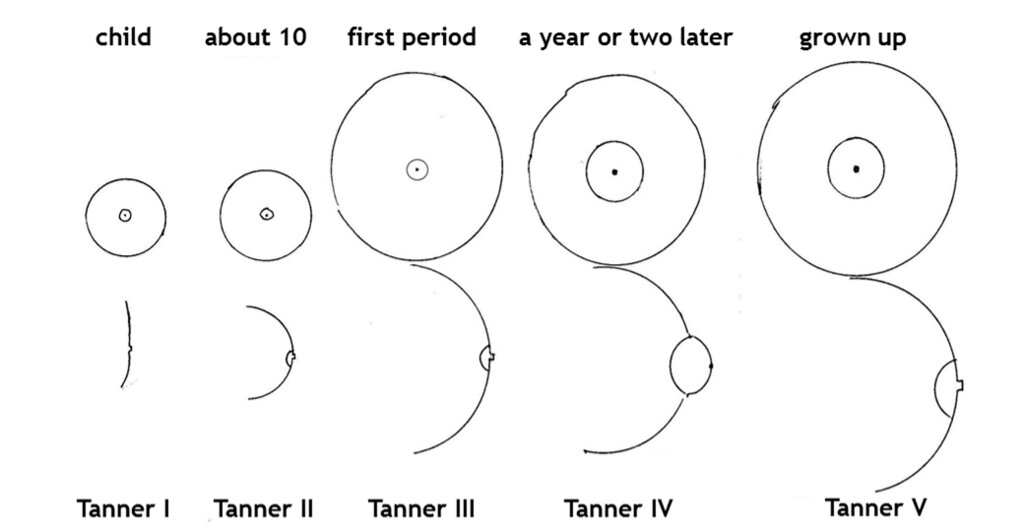
To track this progress, doctors often use a system called the Tanner Stages to describe the physical changes of puberty. It's a five-stage guide that helps understand where you are in your development. For boys, this includes changes in genital size, pubic hair growth, and the timing of your main growth spurt. Knowing your Tanner Stage helps contextualise why your body is changing the way it is. It's a reminder that everyone follows the same path, just at their own pace.
Why 'Dieting' Doesn't Work
It's common to notice your body composition changing. You might see some extra fat, especially around the middle. This is a normal and necessary part of puberty. Your body is smart; it stores a bit of extra energy to fuel the massive growth spurt that's coming. This isn't the same as adult weight gain. It’s strategic fuel storage for building bones, muscle, and height.
This is why traditional 'dieting' is so dangerous for teenagers. Drastically cutting calories during this critical construction phase is like telling the builders to stop work halfway through building a skyscraper. Your body is forced to make tough choices. It might divert energy away from bone growth, which can lead to lower peak bone density and a higher risk of osteoporosis later in life. It can also stunt your final height. You only get one shot at this growth period.
Severely restricting calories tells your body there’s a famine, causing it to slow down growth to conserve resources.
The brain and other organs also need a constant supply of energy to function properly. Starving your body of the fuel it needs can affect concentration, mood, and overall health. The goal isn't restriction; it's providing high-quality building materials.
A Growth-First Fuel Plan
Instead of thinking about dieting, adopt a 'growth-first' approach. The focus should be on fueling the construction, not shrinking the site. Your energy needs are higher than a typical adult's because you're not just maintaining your body; you're actively building it.
First, you need to cover your 'maintenance calories' — the energy required for your body to function at rest, plus your daily activities. On top of that, you need a surplus of energy for growth. If weight management is a concern and has been discussed with a doctor, a very small deficit of 250-500 calories might be considered. However, this should only be done under medical supervision to ensure it doesn't interfere with your development. For most teens, simply focusing on food quality is the best strategy.
This means prioritising nutrient-dense foods. These are foods packed with vitamins, minerals, protein, and healthy fats. Think lean meats, fish, eggs, fruits, vegetables, and whole grains. They provide the high-quality materials your body needs to build itself stronger. Processed foods, sugary drinks, and junk food are like using shoddy materials on the construction site. They provide quick energy but lack the essential components for solid, lasting growth.
Which two hormones are the primary drivers of the physical construction project during male puberty?
What is the five-stage guide that doctors often use to track the physical changes of puberty called?
By focusing on fueling your body for growth, you set yourself up for a healthier future. You're not just eating for today; you're investing in the adult you will become.