Home Culinary Therapy for Well-being
Introduction to Culinary Therapy
What is Culinary Therapy?
Culinary therapy is an approach that uses cooking, baking, and the entire process of preparing a meal as a tool for emotional and psychological well-being. It's not about becoming a professional chef. Instead, it focuses on the experience of cooking to help manage stress, improve mood, and build self-esteem.
While the formal practice is relatively new, the idea of food as a source of comfort is ancient. Think about the comforting feeling of a warm bowl of soup on a cold day or the smell of baking bread. Culinary therapy harnesses these feelings in a more structured way, turning the kitchen into a space for mindfulness and self-care.
It combines the practical skill of cooking with therapeutic principles to nourish both body and mind.
The Mind in the Kitchen
The psychological benefits of cooking are numerous. The simple act of following a recipe provides structure and a clear goal, which can be incredibly calming for an anxious or overwhelmed mind. Measuring flour, chopping vegetables, and stirring a sauce are repetitive, rhythmic tasks that can pull your focus into the present moment.
This is a form of mindfulness. Instead of worrying about the future or dwelling on the past, you're grounded by the sensory details of the task at hand: the scent of garlic hitting hot oil, the texture of dough under your fingers, the vibrant colors of fresh ingredients. It's a meditation in motion.
Cooking is also an outlet for creativity. You can follow a recipe exactly or add your own twist. This act of creation provides a tangible result—a finished dish you can see, smell, and taste. Completing this process, from raw ingredients to a finished meal, delivers a powerful sense of accomplishment.

More Than Just Eating
The therapeutic benefits don't stop when the cooking is done. Mindful eating is the practice of paying full attention to the experience of eating. It involves all your senses and helps you appreciate your food and listen to your body's signals of hunger and fullness.
Instead of eating distractedly in front of a screen, try sitting down with your meal and truly experiencing it. Notice the colors and shapes on your plate. Inhale the aroma before taking a bite. Chew slowly and identify the different flavors and textures. This simple shift can transform a routine meal into a rich, restorative experience.
Mindful eating isn't about restriction. It's about awareness and appreciation, fostering a healthier relationship with food.
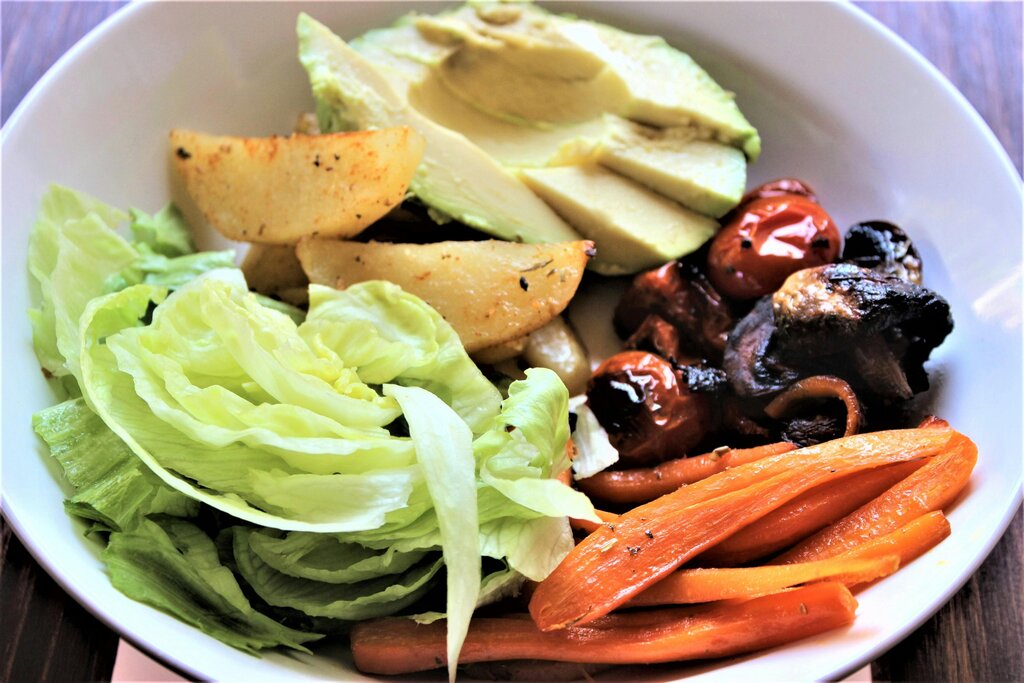
By preparing your own food, you're engaging in a profound act of self-care. It's a way to nurture yourself, connect with your body's needs, and take an active role in your own well-being. Whether you're cooking for yourself or for others, the process connects you to a fundamental, life-sustaining activity, building confidence and a sense of purpose.
It is this primal quality of communication that you can unearth through therapeutic cooking.
Let's review the core ideas we've covered.
Now, test your knowledge with a few questions.
What is the primary goal of culinary therapy?
How does following a recipe contribute to the therapeutic benefits of cooking?
By understanding these basic principles, you can start to see your kitchen not just as a place to make food, but as a space for healing and self-discovery.