Home-Based Business as a Deal Maker and Cultural Architect
Understanding Intellectual Property
What Is Intellectual Property?
Intellectual property, or IP, refers to creations of the mind. Think of it as property you can't physically touch. This includes inventions, literary and artistic works, designs, symbols, names, and images used in business. Just like you can own a house or a car, you can own your ideas and creative expressions.
For a new business, your unique ideas are often your most valuable assets. Protecting them is how you build a competitive advantage.
Imagine you develop a new type of eco-friendly packaging or write a brilliant marketing slogan. Without IP protection, anyone could copy your work and profit from it. IP rights give you the exclusive ability to use, sell, and control your creations.
The Four Main Types of IP
Intellectual property is generally broken down into four main categories. Each one protects a different type of creation.
Patent
noun
A government authority or license conferring a right or title for a set period, especially the sole right to exclude others from making, using, or selling an invention.
Patents are for inventions. This could be a new product, a unique process, or an improvement on an existing technology. To get a patent, your invention must be new, useful, and not obvious to someone skilled in that field. A patent gives you the right to stop others from making, using, or selling your invention for a limited time, usually 20 years.
Trademark
noun
A symbol, word, or words legally registered or established by use as representing a company or product.
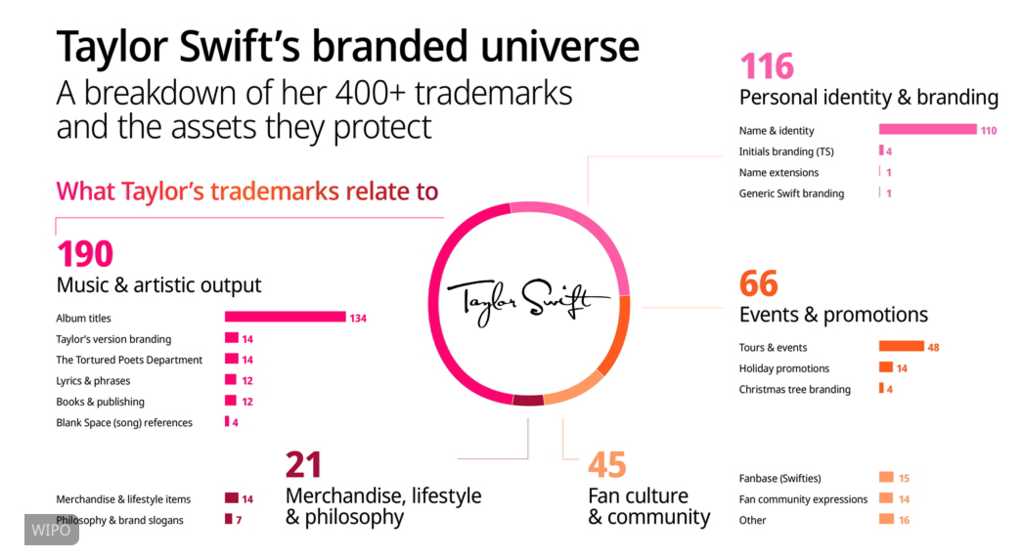
Trademarks protect your brand identity. This includes things like your business name, logo, and slogans. Think of the Nike swoosh or the name Coca-Cola. These are powerful trademarks that instantly identify a company. A trademark helps customers recognize your products and services and distinguishes you from competitors. Unlike patents, a trademark can be protected for as long as it's being used in commerce.
Copyright
noun
The exclusive legal right, given to an originator or an assignee to print, publish, perform, film, or record literary, artistic, or musical material, and to authorize others to do the same.
Copyright protects original works of authorship. This includes everything from books, music, and paintings to software code, website content, and architectural drawings. The moment you create something original and fix it in a tangible form (like writing it down or recording it), you automatically have a copyright. This right prevents others from reproducing, distributing, or displaying your work without permission.
Trade Secret
noun
A secret device or technique used by a company in manufacturing its products.
A trade secret is confidential information that gives your business a competitive edge. The most famous example is the formula for Coca-Cola. It can also include customer lists, marketing strategies, or manufacturing processes. Unlike patents, trade secrets are not registered with the government. They are protected as long as they remain secret and you take reasonable steps to keep them that way.
| IP Type | What It Protects | Example |
|---|---|---|
| Patent | Inventions & Processes | A new type of solar panel |
| Trademark | Brand Identity | The name "Google" or its logo |
| Copyright | Creative & Artistic Works | The text of this article |
| Trade Secret | Confidential Business Info | A secret recipe or client list |
Managing Your IP
Recognizing your intellectual property is the first step. The next is managing it effectively. This doesn't have to be complicated, but it does require diligence.
Protecting intellectual property can be essential to obtaining venture capital funding or preventing competitors from unfairly competing with you.
Here are a few best practices to get started:
-
Conduct Regular Audits: Periodically, take stock of the IP your business creates. This could be new marketing materials, an improved workflow, or a list of sales leads. Ask yourself: What have we created that is unique and valuable? Could it be protected?
-
Keep Detailed Records: Document everything. If you invent something, keep dated logs of your ideas, sketches, and test results. If you create a new logo, save the design files and notes about its creation. This documentation is crucial if you ever need to prove you were the first to create something.
-
Consult with an Expert: IP law can be complex. While you can manage the basics yourself, it's wise to consult with an IP lawyer or specialist. They can help you identify what to protect, guide you through the registration process, and advise you on how to enforce your rights. Getting professional advice early can save you from costly mistakes down the road.