Holistic Health for 24 Year Olds
Understanding Health Fundamentals
The Pillars of Health
Optimal health is more than just the absence of sickness. It’s a state of complete physical, mental, and social well-being. Think of it not as a finish line, but as a continuous process of making choices that help you feel your best. For someone in their mid-20s, building these habits now creates a strong foundation for the rest of your life.
Four key pillars support this foundation: maintaining a healthy weight, eating a balanced diet, getting regular physical activity, and ensuring adequate sleep. They don't work in isolation. Instead, they're deeply interconnected, each one strengthening the others.
Finding Your Balance
Maintaining a healthy weight is about finding a balance that's right for your body. While tools like the Body Mass Index (BMI) can be a starting point, they don't tell the whole story. A healthy weight is one where you feel energetic and are at a lower risk for chronic conditions like heart disease, type 2 diabetes, and high blood pressure.
Instead of focusing on a specific number on the scale, pay attention to how your body feels. Do you have sustained energy throughout the day? Are your clothes fitting comfortably? These are often better indicators of a healthy weight range for you. It's less about strict rules and more about creating a sustainable lifestyle.
Fueling Your Body
A balanced diet provides the fuel your body needs to function. The main components are macronutrients (carbohydrates, proteins, and fats) and micronutrients (vitamins and minerals). Carbohydrates provide energy, protein builds and repairs tissue, and healthy fats support brain function and hormone production.
You don't need a complicated plan. A simple strategy is to fill your plate with a variety of whole foods. Think colorful fruits and vegetables, lean proteins like chicken or beans, and whole grains like brown rice or quinoa. This approach naturally delivers a wide range of the vitamins and minerals your body needs to thrive.
Think of your plate as a colorful palette. The more natural colors you see, the more diverse nutrients you're getting.
Moving Your Body
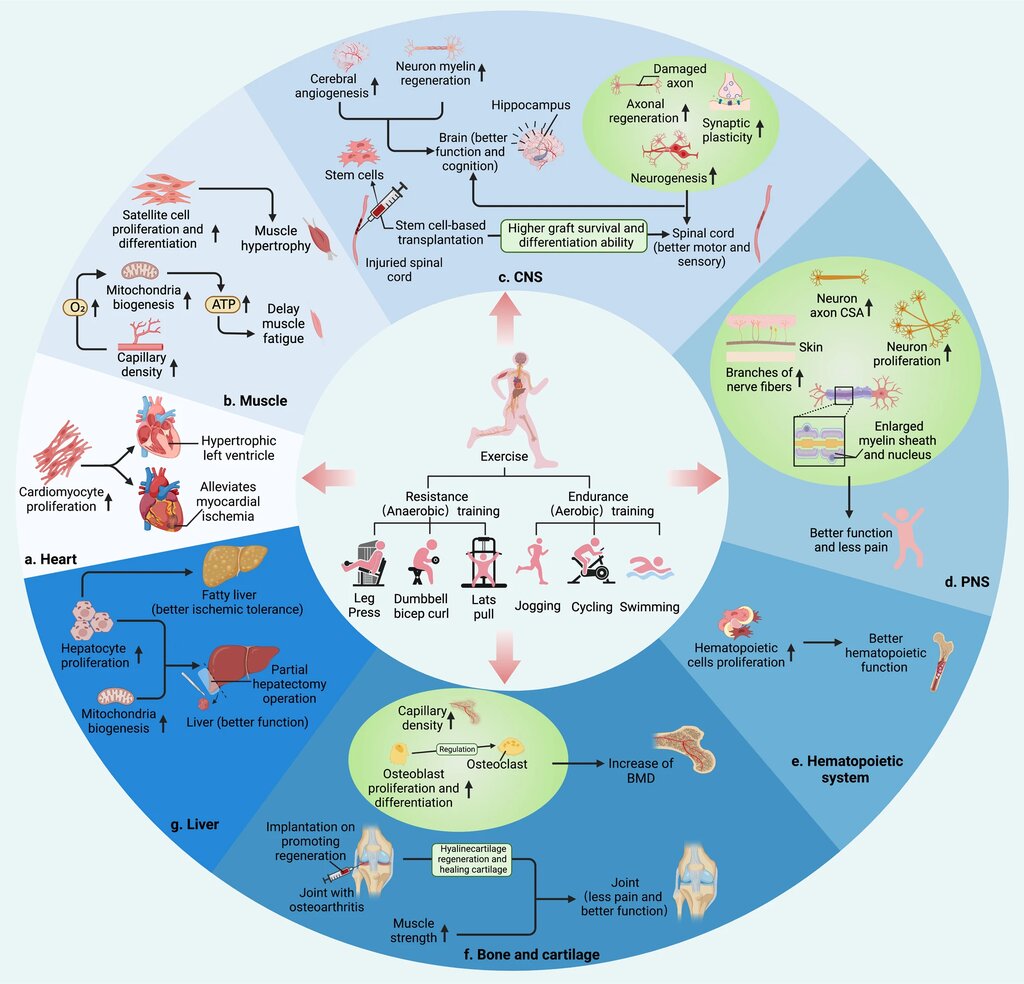
Regular physical activity is a cornerstone of good health, with benefits that go far beyond weight management. Exercise boosts your mood by releasing endorphins, improves cognitive function, and strengthens your heart and bones. It's also a powerful tool for managing stress.
Being active doesn't have to mean spending hours at the gym. It's about finding activities you enjoy. That could be anything from brisk walking or cycling to dancing or hiking. The goal is to aim for about 30 minutes of moderate activity most days of the week. Consistency is more important than intensity.
Rest and Recharge
Sleep is often the most overlooked pillar of health, but it's just as important as diet and exercise. While you sleep, your body is hard at work repairing muscles, consolidating memories, and regulating key hormones that control appetite and stress.
Most adults need 7-9 hours of quality sleep per night. Consistently falling short can weaken your immune system, impair judgment, and make it harder to manage your weight. Establishing a relaxing bedtime routine and a consistent sleep schedule, even on weekends, can significantly improve your sleep quality.
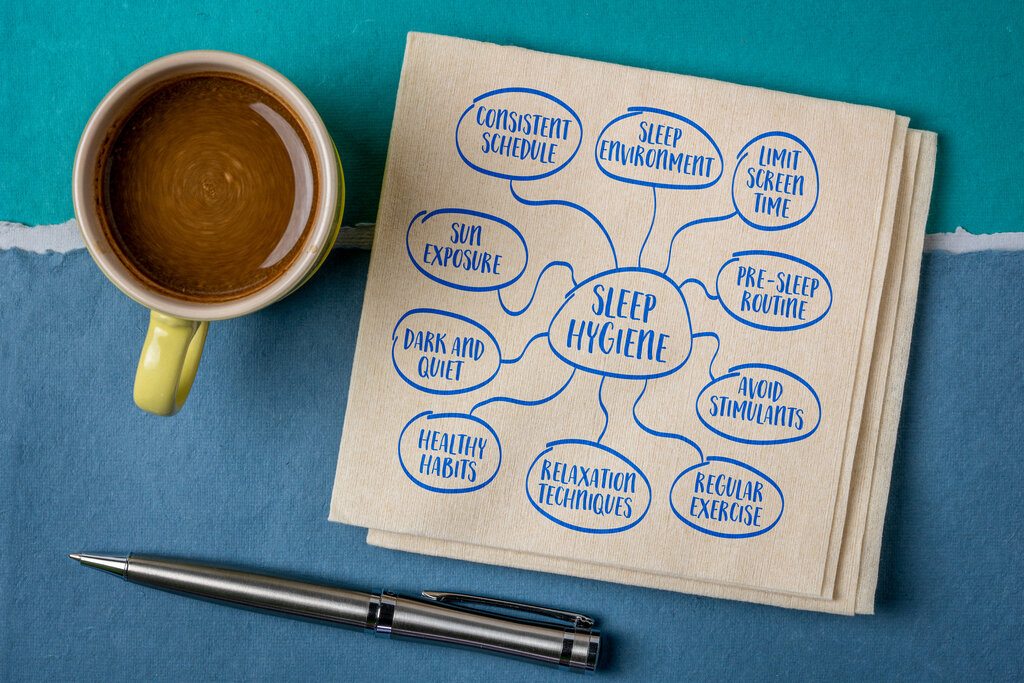
These four pillars work together in a powerful cycle. Good sleep gives you the energy to exercise and make healthy food choices. A balanced diet fuels your workouts and supports restorative sleep. Regular exercise helps you sleep more deeply and can regulate your appetite. When one pillar is strong, it reinforces the others, creating an upward spiral of well-being.
Ready to test your knowledge on these health fundamentals?
What is the best definition of optimal health, as described in the text?
Instead of focusing only on Body Mass Index (BMI), what is a better indicator of a healthy weight range for an individual?
Focusing on these core areas provides a simple, powerful framework for building a healthy life. By making small, consistent improvements in each one, you invest in your long-term well-being.